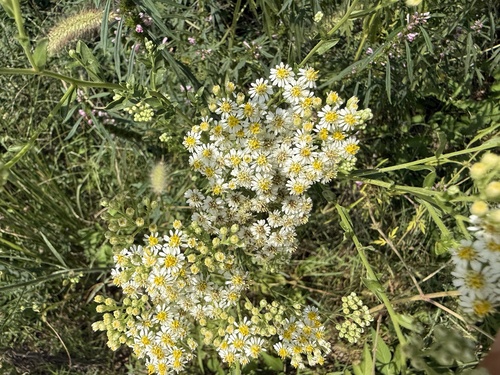
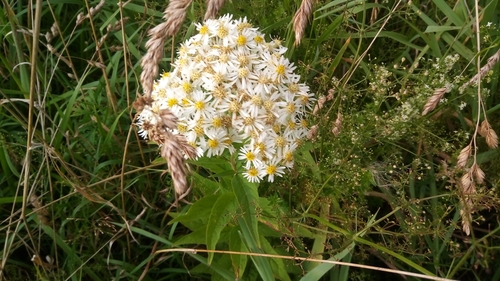
Sonchus nanus
Sond. ex Harv.
Ground thistle, Lesser milk thistle
iNaturalist· cc-by-nc
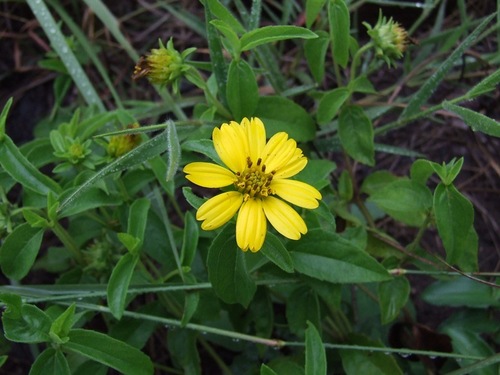
(c) Errol Douwes, some rights reserved (CC BY-NC), uploaded by Errol Douwes
iNaturalist· cc-by-nc
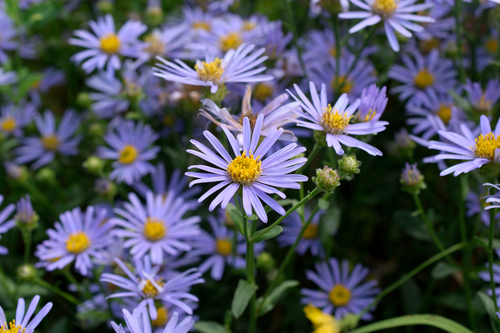
(c) michelle_louw, some rights reserved (CC BY-NC)
iNaturalist· cc-by-nc
(c) michelle_louw, some rights reserved (CC BY-NC)
Description
A herb. It keeps growing from year to year. It has a woody rootstock. The leaves are at the base. The leaves are narrow and pointed and do not have a stalk. They have irregular lobes and teeth along the edge. The leaves are 12 cm long by 3 cm wide. The flower heads occur singly at the ends of the plant. They are on 20 cm long stalks. Flowers are yellow.
Edible Uses
The young leaves are cooked as a vegetable.
Traditional Uses
The young leaves are cooked as a vegetable.
This uses section is brief — help expand it
Distribution
It is a subtropical plant. It grows in open grassland. It can grow in arid places.
Where It Grows
Africa, Eswatini, Lesotho, South Africa, Southern Africa, Swaziland,
Also Known As
Sentlokojane, Tshikaklembe, Tshikandamalembe
References (9)
- Fox, F. W. & Young, M. E. N., 1982, Food from the Veld. Delta Books. p 125
- Guillarmod, J., 1966, 1971,
- Magwede, K., van Wyk, B.-E., & van Wyk, A. E., 2019, An inventory of Vhavenḓa useful plants. South African Journal of Botany 122 (2019) 57–89
- Mogg, 1975,
- Peters, C. R., O'Brien, E. M., and Drummond, R.B., 1992, Edible Wild plants of Sub-saharan Africa. Kew. p 92
Show all 9 references Hide references
- Royal Botanic Gardens, Kew (1999). Survey of Economic Plants for Arid and Semi-Arid Lands (SEPASAL) database. Published on the Internet; http://www.rbgkew.org.uk/ceb/sepasal/internet [Accessed 14th April 2011]
- Ruiters-Welcome, A. K., 2019, Food plants of southern Africa. Ph.D. thesis. Univ. of Johannesburg p 37
- Swaziland's Flora Database http://www.sntc.org.sz/flora
- Welcome, A. K. & Van Wyk, B.-E., 2019, An inventory and analysis of the food plants of southern Africa. South African Journal of Botany 122 (2019) 136–179