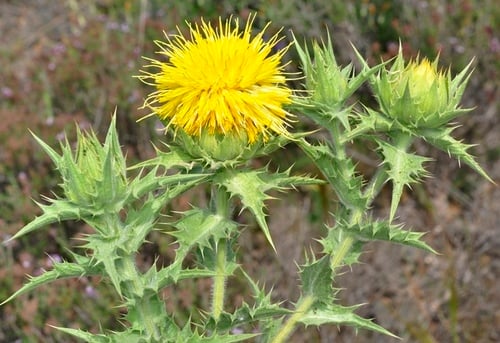
Artemisia nilagirica
(C. B. Clarke) Pamp.
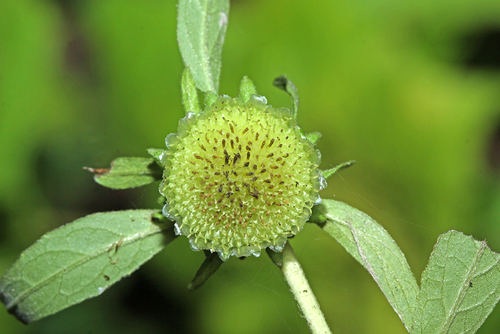
iNaturalist· cc-by
(c) J.M.Garg, some rights reserved (CC BY)
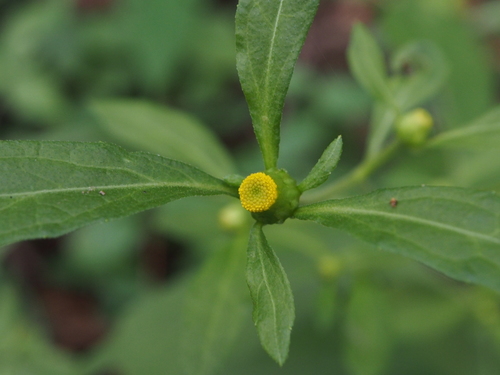
iNaturalist· cc0
no rights reserved
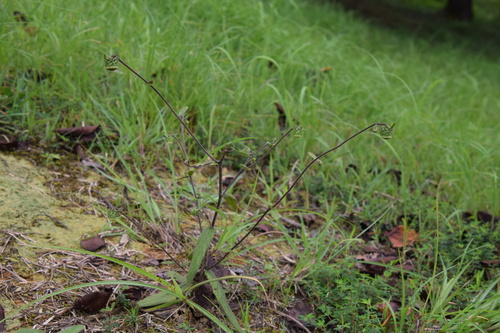
iNaturalist· cc0
no rights reserved
Description
A temperate herb in the Asteraceae family.
This description is brief — help expand it
Edible Uses
The shoots are eaten as a vegetable, and the stem pith is eaten raw.
Traditional Uses
The shoots are eaten as a vegetable. The stem pith is eaten raw.
This uses section is brief — help expand it
Medicinal Uses
Artemisinin (from Artemisia annua) and derivatives are a group of compounds used to treat malaria. Treatments containing an artemisinin derivative (artemisinin-combination therapies) are now standard treatment worldwide for malaria caused by Plasmodium falciparum. Administering Artemisia annua as dried whole leaves may cause resistance to develop more slowly than if it is administered as pure artemisinin. Tu Youyou received the 2015 Nobel Prize in Physiology or Medicine for her discovery of the semisynthetic derivatives. She conducted research on traditional Chinese medicine and potential contributions to cures for malaria, on the basis of folk medicine and ancient Chinese texts. From reviewing ancient Chinese texts, they found that the compound artemisinin was optimally extracted at lower temperatures, as high temperature water poured over sweet wormwood leaves destroyed essential treatment properties. The World Health Organization does not support the promotion or use of Artemisia plant material in any form for the prevention or treatment of malaria. They note that the plant form of medication has several problems. These include a lack of consistent artemisinin content, the content being low enough that recurrence of malaria often occurs, that the use of the plant may contribute to widespread artemisinin resistance, and that the plant form is not effective in malaria prevention.
Distribution
It is a temperate plant.
Where It Grows
Asia, India, Northeastern India, Sikkim,
Synonyms
Also Known As
Merangma, Takneyel, Titapat
References (2)
- Namsa, N. D., 2011, Ethnobotany of the Monpa ethnic group at Arunachal Pradesh, India. Journal of Ethnobiology and Ethnomedicine 2011, 7:31
- Savita, et al, 2006, Studies on wild edible plants of ethnic people in east Sikkim. Asian J. of Bio Sci. (2006) Vol. 1 No. 2 : 117-125