Artemisia pallens
Wall. ex DC.
Davana
wikimedia· cc-by-sa
Wikimedia Commons - Sahyadri
wikimedia· cc-by-sa
Wikimedia Commons - Yercaud-elango
wikimedia· cc-by-sa
Wikimedia Commons - Yercaud-elango
Summary
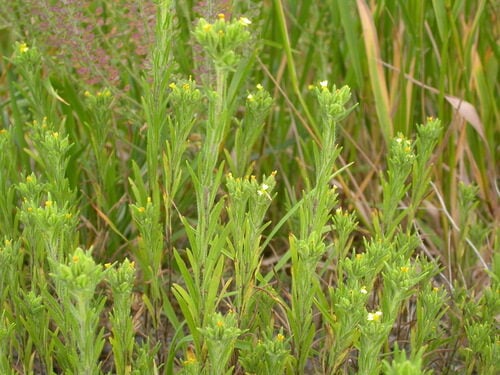
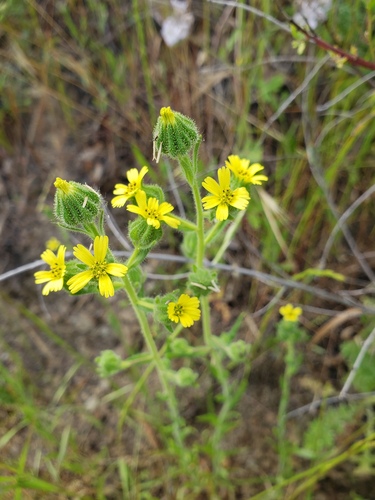
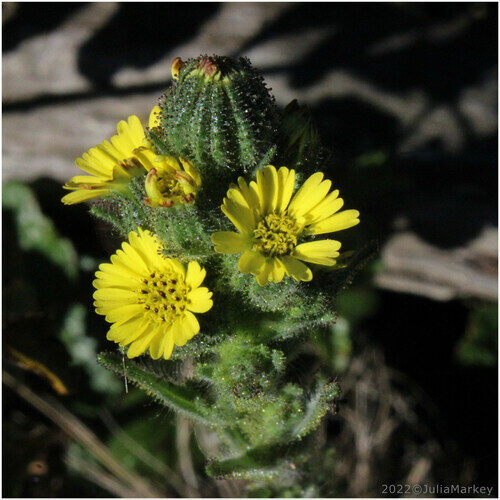
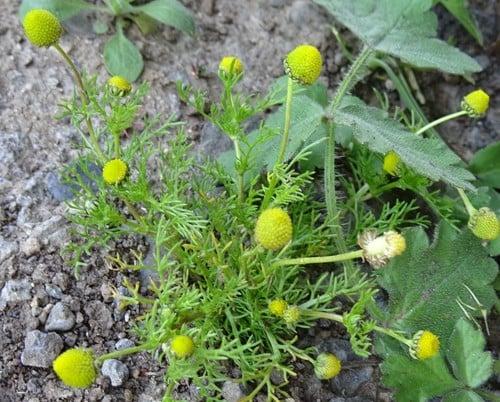
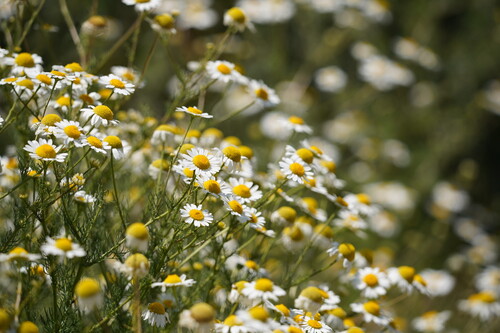
Source: WikipediaArtemisia pallens is an aromatic herb, in genus of small herbs or shrubs, xerophytic in nature. Commonly known as dhavanam from the Sanskrit name दमनक (damanaka), (Tamil: மரிக்கொழுந்து, தவணம், Marathi: दवणा, Kannada: ದವನ). The flowers are racemose panicles, bear numerous small yellow flower heads or capitula, but the silvery white silky covering of down gives the foliage a grey or white appearance. Dhavanam has alternate pinnasect leaves (leaf which is divided into opposite pairs of lobes cut almost to the midrib In narrow divisions) or palmatisect leaves (the green tissue is divided into several segments not fully separated At the base).
Description
A herb. The lower parts of the stem is woody, but puts up annual branches. The leaves are alternate and divided into lobes along the stalk. The flower heads are yellow.
Edible Uses
The flowers are used to produce an oil for flavoring sweets, chewing gum, drinks, and puddings. The leaves are also used as flavoring.
Traditional Uses
The flowers are used to produce an oil used for flavouring sweets, chewing gum, drinks and puddings. The leaves are also used for flavouring.
This uses section is brief — help expand it
Medicinal Uses
The leaves and flowers yield an essential oil known as oil of Davana. Several species yield essential oil and some are used as fodder, some of them are a source of the anthelmintic chemical santonin. Davana blossoms are offered to Shiva, the God of Transformation, by the devotees, and decorate his altar throughout the day. Oral administration of high doses aqueous/methanolic extract from the aerial parts of the plants was observed to reduce blood glucose levels in glucose−fed hyperglycemic and alloxan-treated rabbits and rats. Davana is rarely used in cooking, but in India it is sometimes used in herbal teas for flavor.
Distribution
It is a tropical plant. It grows in deserts and arid places.
Where It Grows
Asia, India, Indochina, Myanmar, SE Asia, Thailand,
Cultivation
Plants can be grown from seed or cuttings.
Production
Plants mature in 4 months.
Other Information
It is grown commercially.
Also Known As
Dawna-pan
References (5)
- Brown, D., 2002, The Royal Horticultural Society encyclopedia of Herbs and their uses. DK Books. p 131
- Facciola, S., 1998, Cornucopia 2: a Source Book of Edible Plants. Kampong Publications, p 34
- Prodr. 6:120. 1838
- Seidemann J., 2005, World Spice Plants. Economic Usage, Botany, Taxonomy. Springer. p 55
- Trendafilova, A., et al, 2020, Research Advances on Health Effects of Edible Artemisia Species and Some Sesquiterpene Lactones Constituents. Foods 2021, 10, 65. p 4