Helichrysum candolleanum
Buek
iNaturalist· cc-by
(c) Wynand Uys, some rights reserved (CC BY), uploaded by Wynand Uys
iNaturalist· cc-by-nc
(c) Grant Reed, some rights reserved (CC BY-NC)
Description
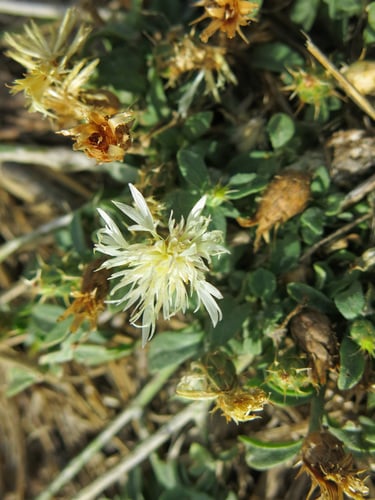
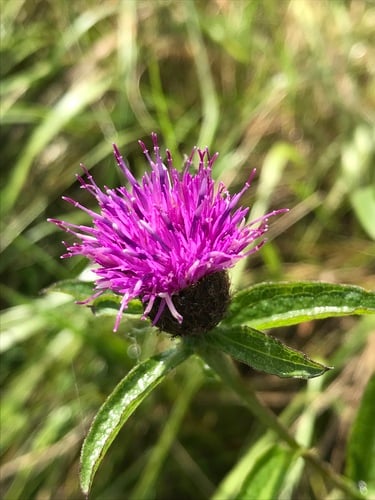
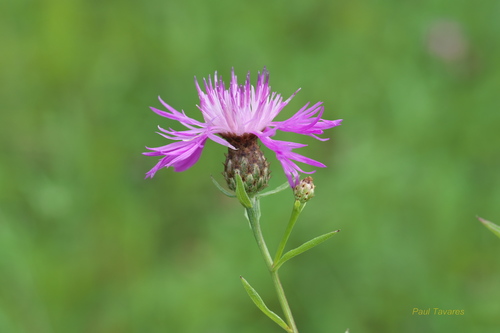
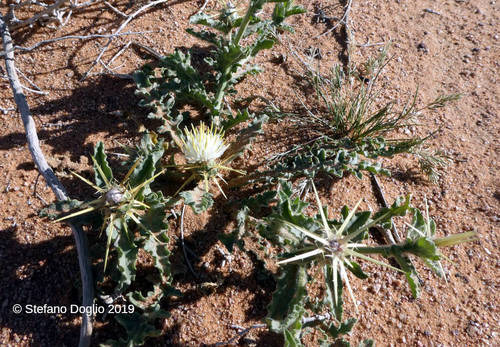
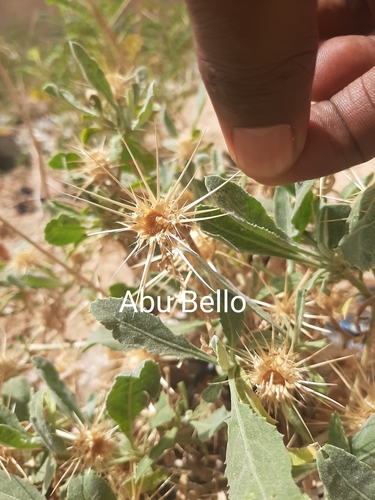
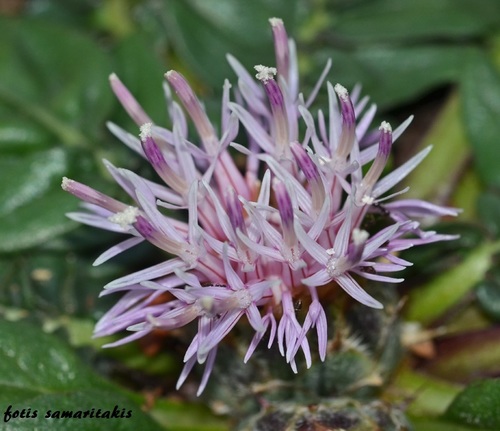
A herb or shrub. It is small and straggling. It grows up to 90 cm high. It has a taproot. The branches are slender. The leaves are scattered and spreading. They are covered with grey woolly hairs. The leaves are narrow and blunt. The edges curve back. The leaves are 1.5 cm long by 2 mm wide. The flowers are at the ends. They are in compact round heads. These are 1.5 cm across. They are pink.
Edible Uses
The stems and leaves are eaten raw.
Traditional Uses
The stems and leaves are eaten raw.
This uses section is brief — help expand it
Distribution
It is a tropical plant. It grows in well-drained sandy and stony soils. It grows in woodland and semi-desert. It grows between 30-2,000 m above sea level. It can grow in arid places.
Where It Grows
Africa, Angola, Botswana, Central Africa, East Africa, Eswatini, Madagascar, Malawi, Mozambique, Namibia, South Africa, Southern Africa, Swaziland, Zambia, Zimbabwe,
Synonyms
Also Known As
Okatendadikwa, Onapa, Oshitendadikua, Umaphipha
References (6)
- Peters, C. R., O'Brien, E. M., and Drummond, R.B., 1992, Edible Wild plants of Sub-saharan Africa. Kew. p 90
- Rodin, 1985,
- Royal Botanic Gardens, Kew (1999). Survey of Economic Plants for Arid and Semi-Arid Lands (SEPASAL) database. Published on the Internet; http://www.rbgkew.org.uk/ceb/sepasal/internet [Accessed 11th April 2011]
- Ruiters-Welcome, A. K., 2019, Food plants of southern Africa. Ph.D. thesis. Univ. of Johannesburg p 34
- Swaziland's Flora Database http://www.sntc.org.sz/flora
Show all 6 references Hide references
- Welcome, A. K. & Van Wyk, B.-E., 2019, An inventory and analysis of the food plants of southern Africa. South African Journal of Botany 122 (2019) 136–179