Aspilia pluriseta
Schweinf.
Dwarf aspilia
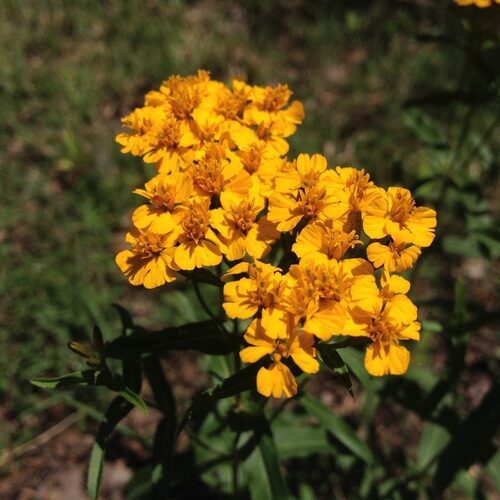
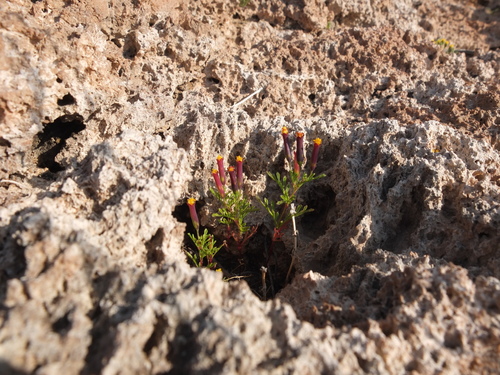
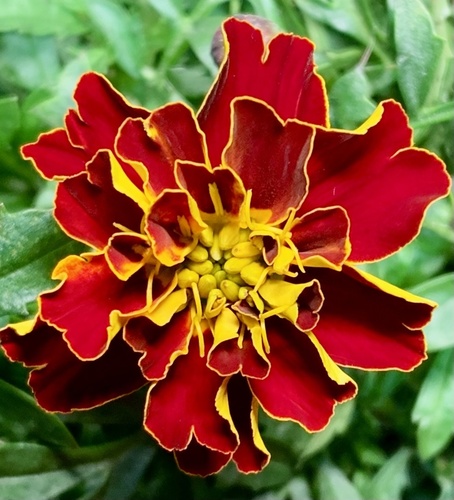
iNaturalist· cc-by
(c) Markus, some rights reserved (CC BY)
iNaturalist· cc-by-nc
(c) Nick Helme, some rights reserved (CC BY-NC), uploaded by Nick Helme
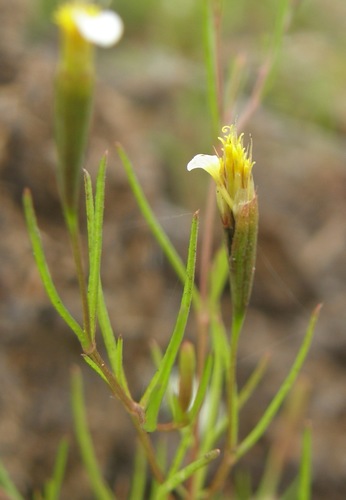
iNaturalist· cc-by-nc
(c) kasiisibees, some rights reserved (CC BY-NC), uploaded by kasiisibees
Description
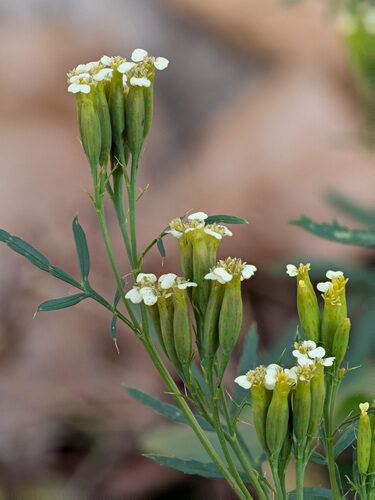
A herb. It can be erect or lie along the ground. The branches are 30-60 cm long. The leaves do not have stalks and the leaf blade is 4 cm long by 2.5 cm wide. There are teeth around the edge. The fruit are dry and 3.5 mm long and oval.
Edible Uses
The small oval fruits are eaten as a dessert fruit.
Traditional Uses
The fruit are eaten as a dessert fruit.
This uses section is brief — help expand it
Known Hazards
Caution advised when consuming fruit.
Distribution
It is a tropical plant. It can grow in arid places. It grows in open woodland and grassland. In Zimbabwe it grows between 1,360-1,560 m above sea level.
Where It Grows
Africa, Burundi, East Africa, Kenya, Malawi, Mozambique, Rwanda, South Africa, Southern Africa, Tanzania, Uganda, Zambia, Zimbabwe,
Also Known As
Mukushamvura, Mumharadzi, Obongno, Ruhwati, Uti
References (8)
- Fowler, D. G., 2007, Zambian Plants: Their Vernacular Names and Uses. Kew. p 76
- Grivetti, L. E., 1980, Agricultural development: present and potential role of edible wild plants. Part 2: Sub-Saharan Africa, Report to the Department of State Agency for International Development. p 42
- Masters, T., 2021, Traditional food plants of the upper Aswa River catchment of northern Uganda—a cultural crossroads. Journal of Ethnobiology and Ethnomedicine (2021) 17:24
- Mutie, F. M., et al, 2023, Important Medicinal and Food Taxa (Orders and Families) in Kenya, Based on Three Quantitative Approaches. Plants 2023, 12, 1145
- Peters, C. R., O'Brien, E. M., and Drummond, R.B., 1992, Edible Wild plants of Sub-saharan Africa. Kew. p 87
Show all 8 references Hide references
- Royal Botanic Gardens, Kew (1999). Survey of Economic Plants for Arid and Semi-Arid Lands (SEPASAL) database. Published on the Internet; http://www.rbgkew.org.uk/ceb/sepasal/internet [Accessed 10th April 2011]
- Tallantire & Goode, 1975,
- www.zimbabweflora.co.zw 2011