Maranthes goetzeniana
(Engl.) Prance
iNaturalist· cc-by-nc-sa
(c) TanzaniaPlantCollaboration, some rights reserved (CC BY-NC-SA)
Description
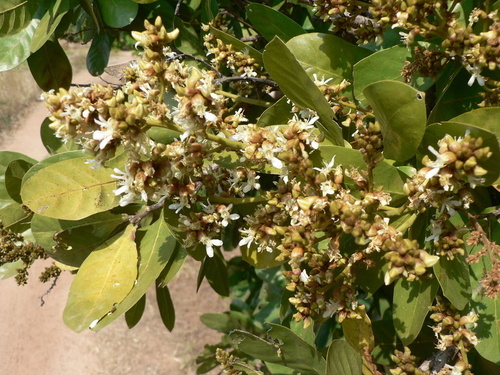
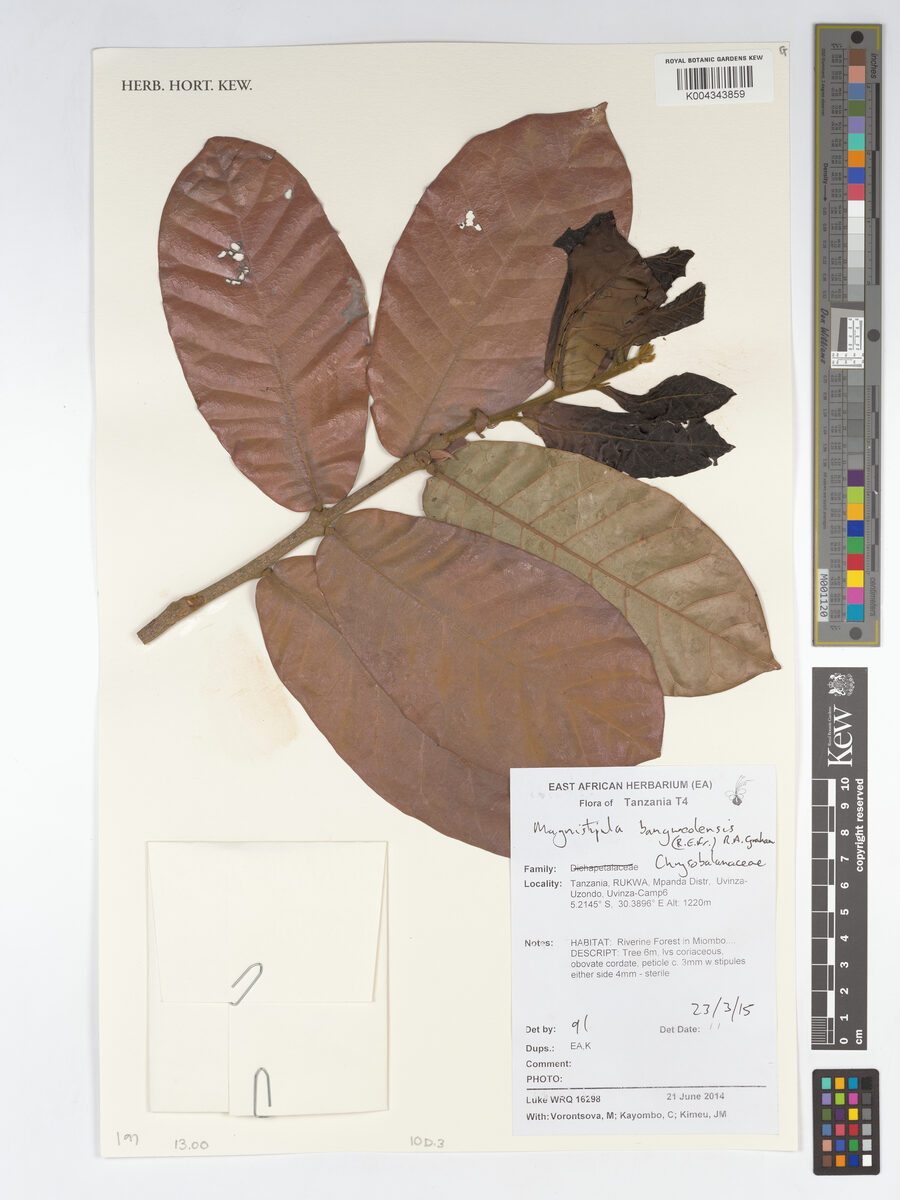
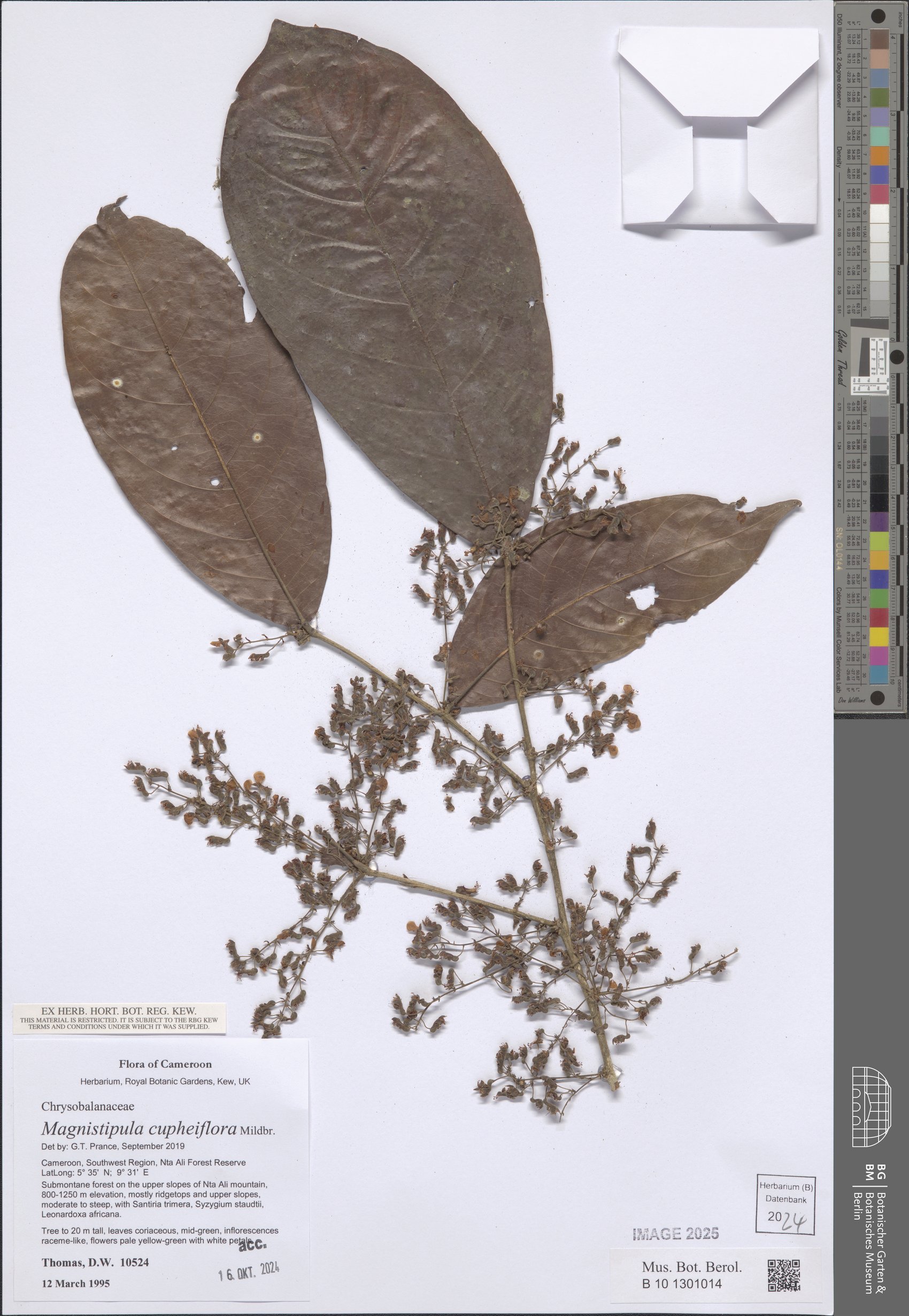
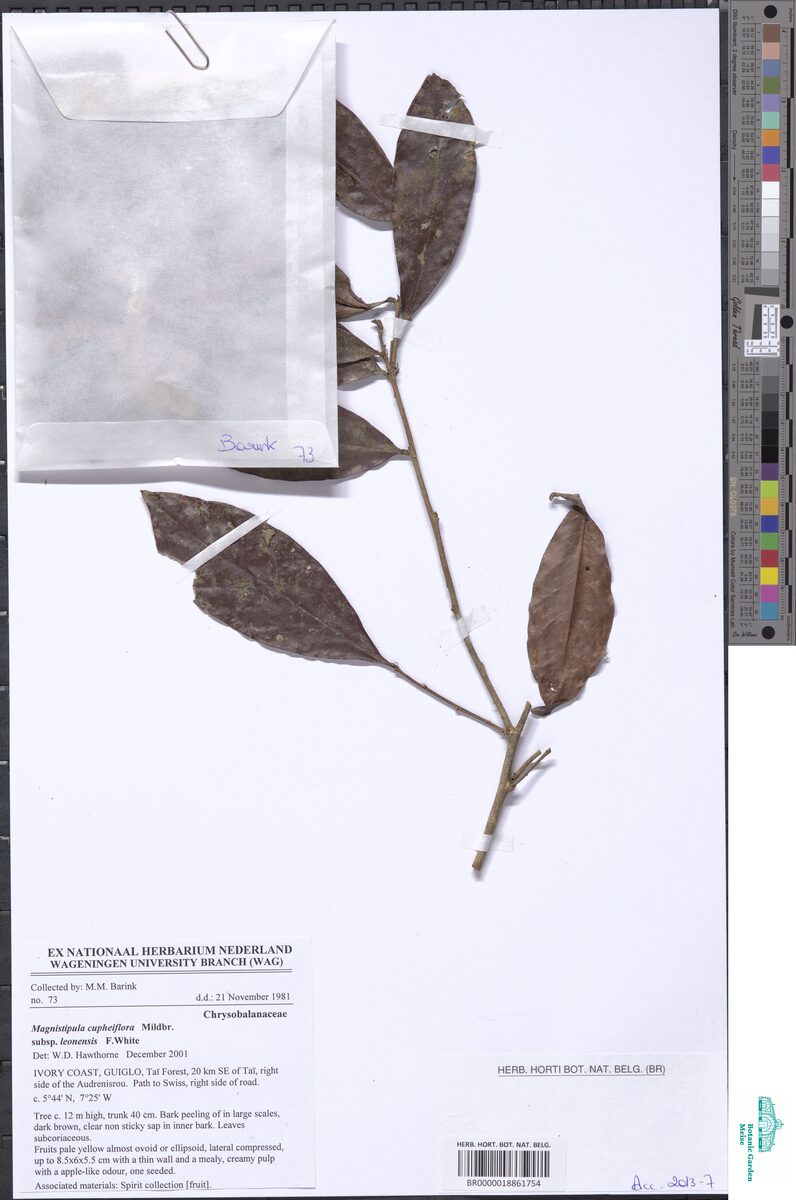
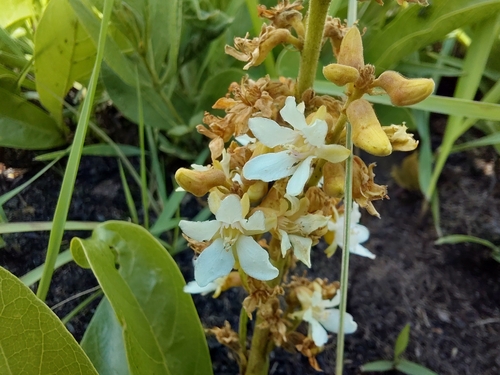
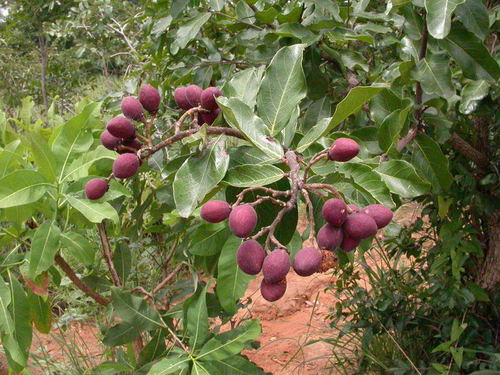
A evergreen tree. It grows 20-35 m tall. The crown is wide and rounded. The bark is grey. The leaf blade is 15 cm long by 8 cm wide. The flowers are in a panicle at the end of branches. They are 15 cm long by 25 cm wide. The fruit is fleshy and 4.5 cm long by 2.5 cm wide. They are black.
Edible Uses
The fruit are used in desserts, and the kernels inside the hard stones are eaten, especially by children.
Traditional Uses
The fruit are used in desserts. The kernel inside the hard stones are eaten.
This uses section is brief — help expand it
Distribution
It is a tropical plant. It grows in moist evergreen forest at low and medium altitudes. It grows between 300-1,500 m altitude. It grows in dry soils. It can grow in arid places. It can grow in the lowlands.
Where It Grows
Africa, East Africa, Mozambique, South Africa, Southern Africa, Tanzania, Zambia, Zimbabwe,
Cultivation
Plants can be grown by seeds.
Other Uses
A red dye is obtained from the bark. The wood is very hard. It is used for railway sleepers, building poles, tool handles and yokes. The wood is used for fuel and making charcoal.
Production
In Tanzania fruit are collected between September and December.
Other Information
The fruit are sometimes eaten by adults. The kernels are especially eaten by children.
Synonyms
Also Known As
Mutumba
References (10)
- East African Herbarium records, 1981,
- Flora Zambesiaca. http://apps.kew.org/efloras
- Fowler, D. G., 2007, Zambian Plants: Their Vernacular Names and Uses. Kew. p 18
- Fox, F. W. & Young, M. E. N., 1982, Food from the Veld. Delta Books. p 155 (As Parinari goetzeniana)
- Lovett, J. C. et al, Field Guide to the Moist Forest Trees of Tanzania. p 38
Show all 10 references Hide references
- Maundu, P. et al, 1999, Traditional Food Plants of Kenya. National Museum of Kenya. 288p (As Parinari goetzeniana)
- Peters, C. R., O'Brien, E. M., and Drummond, R.B., 1992, Edible Wild plants of Sub-saharan Africa. Kew. p 82
- Royal Botanic Gardens, Kew (1999). Survey of Economic Plants for Arid and Semi-Arid Lands (SEPASAL) database. Published on the Internet; http://www.rbgkew.org.uk/ceb/sepasal/internet [Accessed 8th April 2011]
- Ruffo, C. K., Birnie, A. & Tengnas, B., 2002, Edible Wild Plants of Tanzania. RELMA p 466
- World Checklist of Useful Plant Species 2020. Royal Botanic Gardens, Kew