Maranthes polyandra
(Benth.) Prance
iNaturalist· cc-by-nc-sa
(c) Stefan Dressler, some rights reserved (CC BY-NC-SA)
iNaturalist· cc-by-nc
(c) Elias, some rights reserved (CC BY-NC)
iNaturalist· cc-by-nc
(c) Elias, some rights reserved (CC BY-NC)
Description
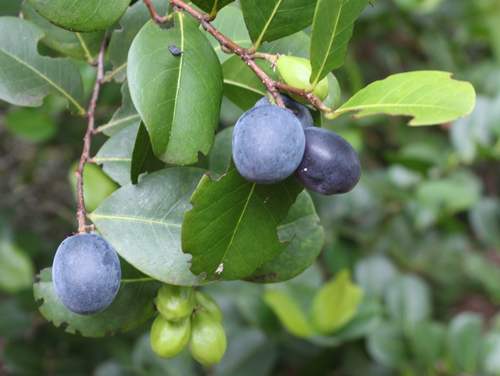
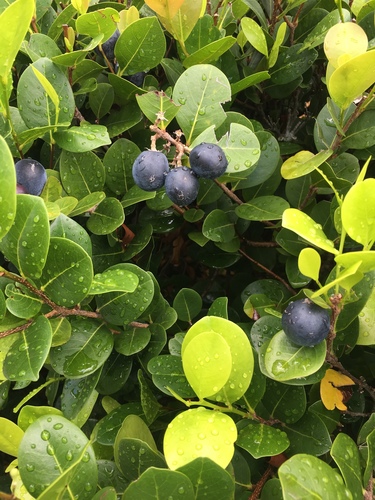
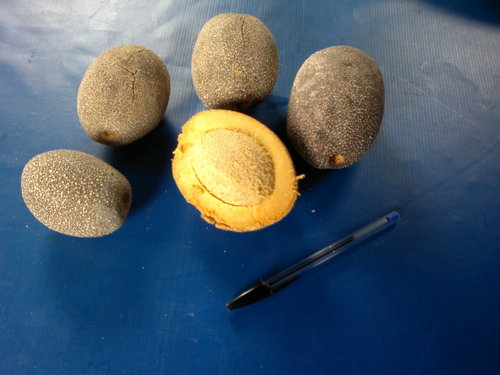
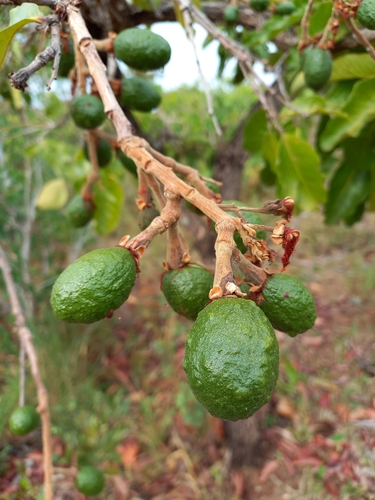
A tree. It grows 8 m high. The fruit are oval and dark red or purple-black. They are 2.5 cm long.
This description is brief — help expand it
Edible Uses
The cracked seeds are eaten. The fruit are rarely eaten fresh but can be used for jam.
Traditional Uses
The fruit are rarely eaten. The fruit can be used for jam. The seeds are cracked and eaten.
This uses section is brief — help expand it
Medicinal Uses
None mentioned.
Known Hazards
None mentioned.
Distribution
A tropical plant. It grows in the wooded savannah in West Africa.
Where It Grows
Africa, Benin, Burkina Faso, Cameroon, Central Africa, Côte d'Ivoire, East Africa, Gabon, Ghana, Guinea, Guinée, Ivory Coast, Mozambique, Nigeria, Senegal, Sudan, Togo, West Africa,
Other Uses
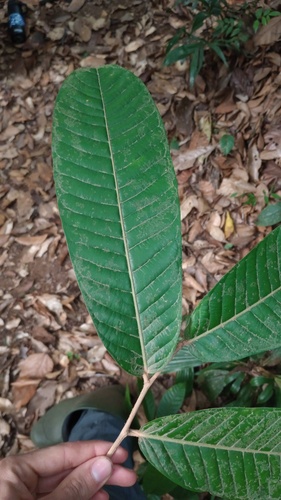
The bark is rich in tannin. A red dye is obtained from the leaves. The wood is used for building farm houses. The bole is gnarled and twisted), but the stems are usable for building huts and sheds. The wood makes a good charcoal that is highly valued by local smiths.
Notes
There are about 10 Maranthes species. They are mostly in tropical Africa.
Synonyms
Also Known As
Abrabesi, Bua, Sumbati
References (9)
- Abbiw, D.K., 1990, Useful Plants of Ghana. West African uses of wild and cultivated plants. Intermediate Technology Publications and the Royal Botanic Gardens, Kew. p 48
- Alyegba, S. S. et al, 2013, Ethnobotanical Survey of Edible Wild Plants in Tiv Communities of Benue State, Nigeria. Journal of Natural Sciences Research. Vol.3, No.7
- Atato, A., et al, 2010, Diversity of Edible Wild Fruit Tree Species of Togo. Global Science Books.
- Burkill, H. M., 1985, The useful plants of west tropical Africa, Vol. 1. Kew.
- Dalziel, J. M., 1937, The Useful plants of west tropical Africa. Crown Agents for the Colonies London.
Show all 9 references Hide references
- Moksia, F., et al, 2019, Diversity and Socio-Economic Value of Wild Edible Plants in the Mounts Mandara Region, Cameroon. International Journal of Sciences. Vol. 8:10
- Ouoba, P. et al, 2006, Fruit potential of the classified Niangoloko's forest in Burkina Faso. Fruits Vol. 61(1) pp 71-81
- Peters, C. R., O'Brien, E. M., and Drummond, R.B., 1992, Edible Wild plants of Sub-saharan Africa. Kew. p 82
- World Checklist of Useful Plant Species 2020. Royal Botanic Gardens, Kew