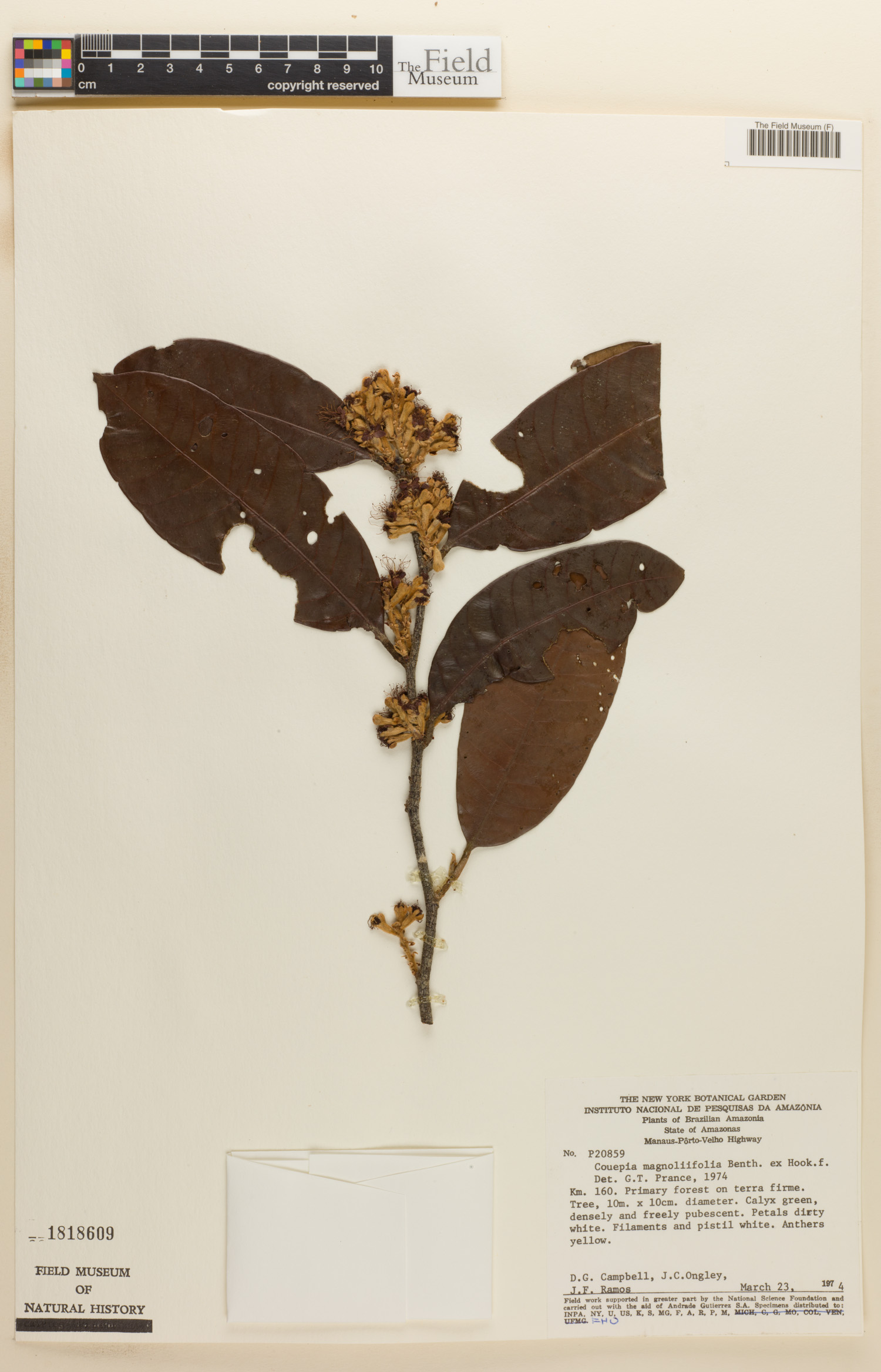
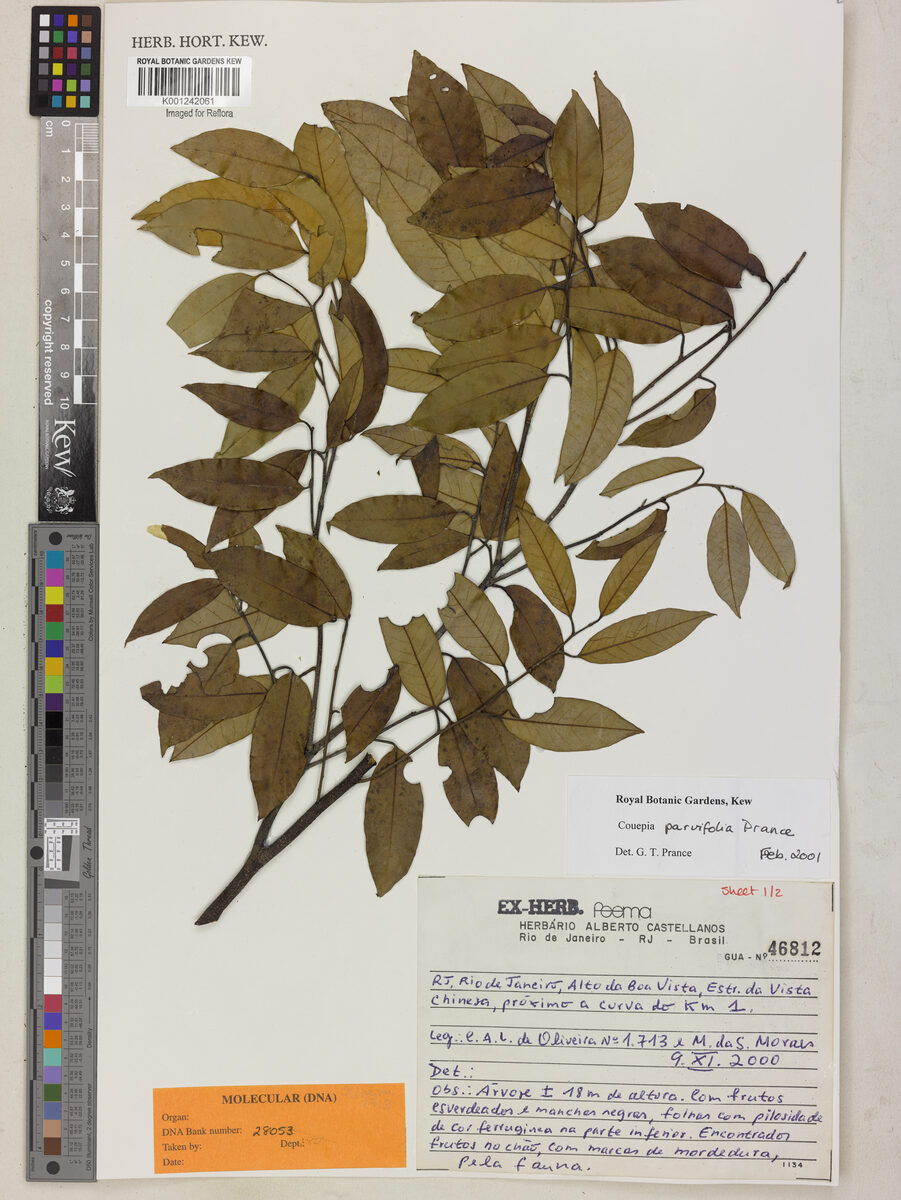
Magnistipula butayei subsp. bangweolensis
De Wild., (R. E. Fr.) F. White
gbif· cc-by
Royal Botanic Gardens, Kew
gbif· cc-by
Meise Botanic Garden
gbif· cc-by
Meise Botanic Garden
Description
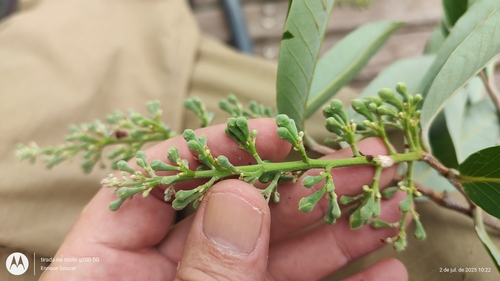
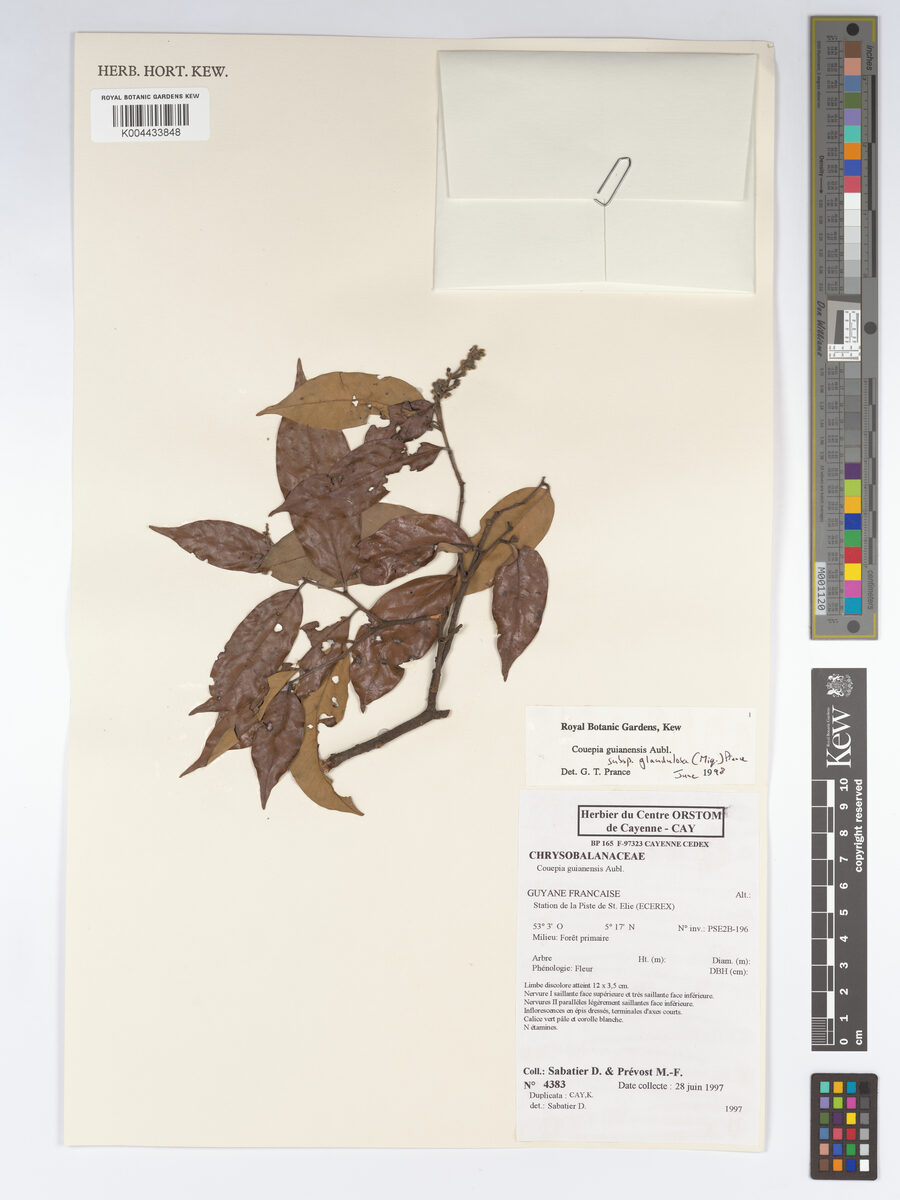
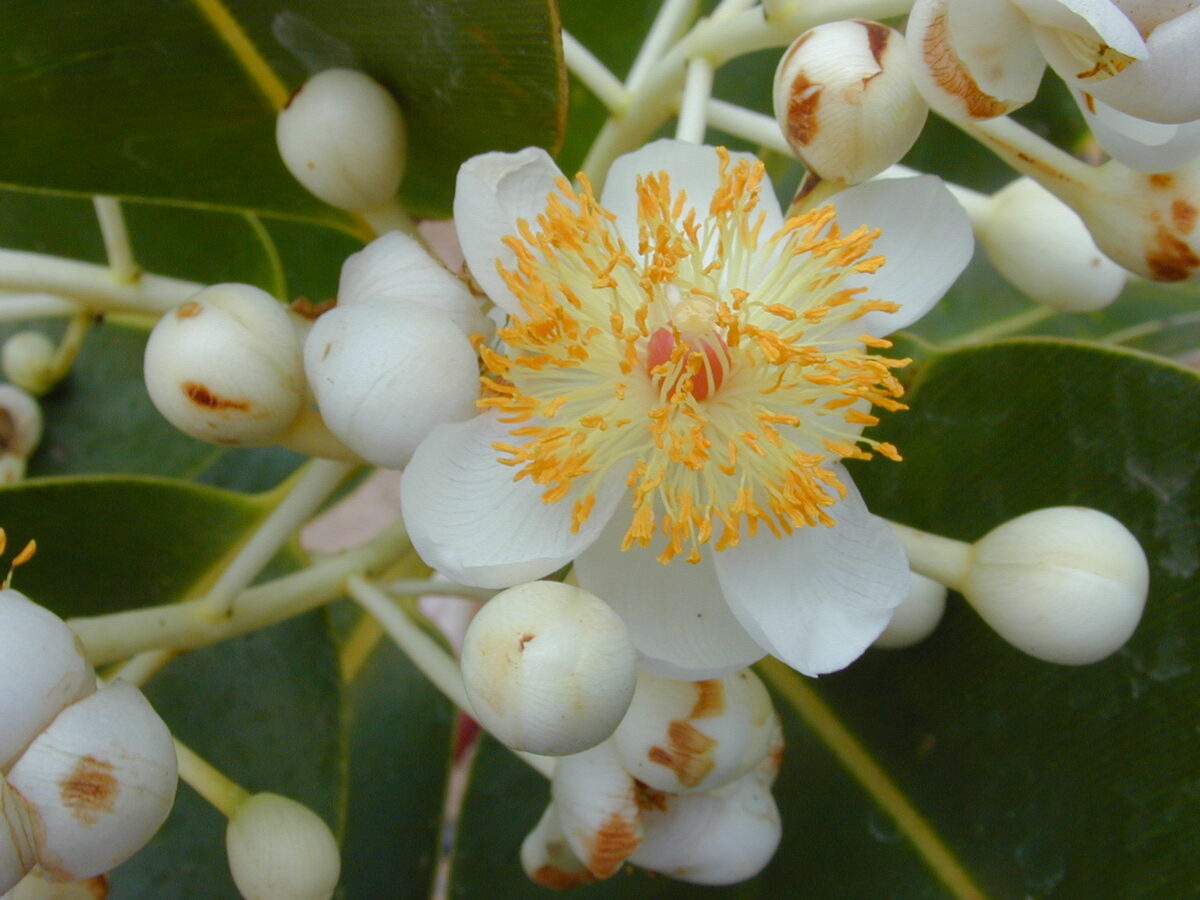
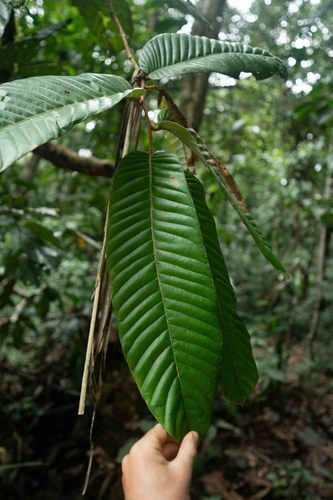
A small tree. The crown is wide spreading. The bark is rough and grey. The leaf blade is 17 cm long by 7 cm wide. The leaves are oblong. The flowering groups are 12 cm long by 10 cm wide. They are at the ends of branches on in the axils of upper leaves. The flowers are 0.9 cm long. They are strongly curved. The fruit is fleshy and 5 cm long by 3 cm wide.
Edible Uses
The fleshy fruit is edible.
Distribution
It is a tropical plant. It grows in wetter woodland. It is especially on damp sandy soil. It can be on termite mounds. It grows between 480-1,500 m altitude.
Where It Grows
Africa, East Africa, Malawi, Tanzania, Zambia,
Synonyms
Hirtella bangweolenis (R. E. Fr.) GreenwayMagnistipula bangweolensis (R. E. Fr.) R. A. Grah.Parinari bangweolensis R. E. Fr.
Also Known As
Mubilili
References (4)
- Flora Zambesiaca. http://apps.kew.org/efloras
- Fowler, D. G., 2007, Zambian Plants: Their Vernacular Names and Uses. Kew. p 18
- Peters, C. R., O'Brien, E. M., and Drummond, R.B., 1992, Edible Wild plants of Sub-saharan Africa. Kew. p 82
- Williamson, 1972, 1975,