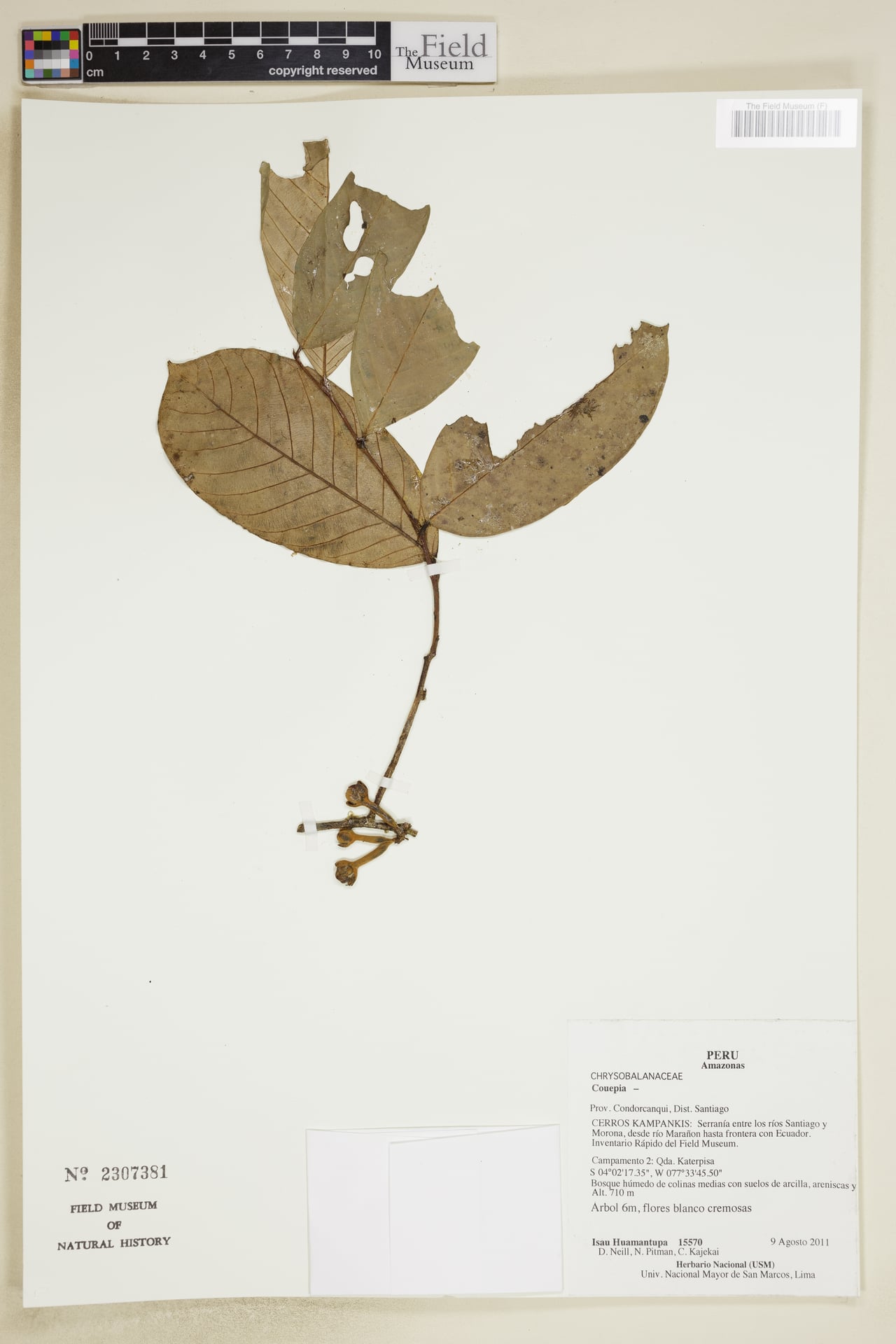
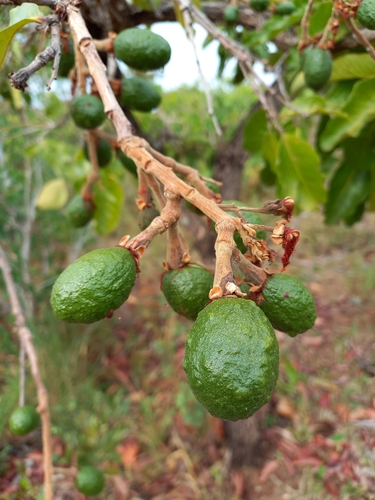
Parinari pachyphylla
Rusby
Thickleaf parinari
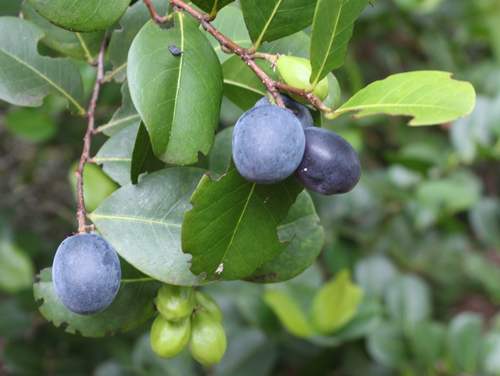
iNaturalist· cc-by-nc
(c) Juan Francisco Cruz Mejía, some rights reserved (CC BY-NC), uploaded by Juan Francisco Cruz Mejía
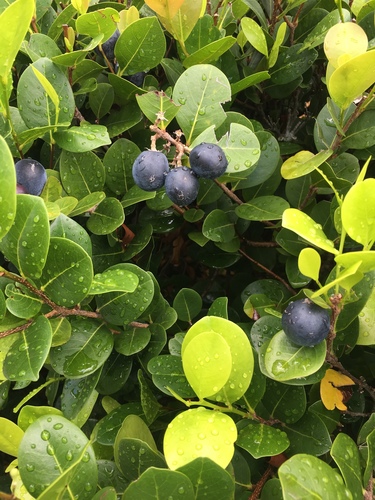
iNaturalist· cc-by-nc
(c) Raton de Minca, some rights reserved (CC BY-NC), uploaded by Raton de Minca
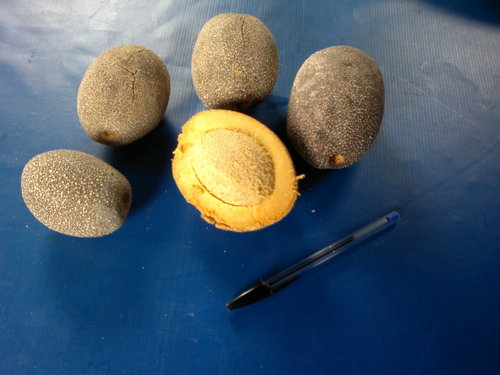
iNaturalist· cc-by-nc
(c) Mario Cuervo, some rights reserved (CC BY-NC), uploaded by Mario Cuervo
Description
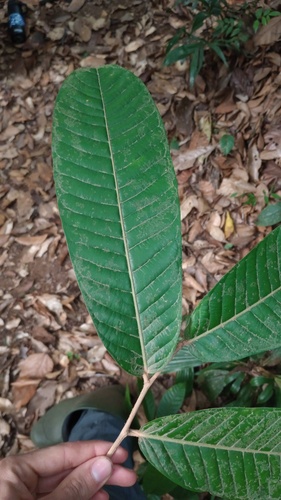
A tree. It grows 12 m tall. The trunk is 60 cm across. It forms branches low down and has a wide spreading crown. The bark is grey and cracked. The leaves are alternate and oval. They taper towards both ends. They are rough and shiny. They are a more pale green underneath. The fruit are pale brown and spotted.
Edible Uses
The fruit is eaten.
Distribution
It is a tropical plant. It grows in forests along rivers.
Where It Grows
Colombia, South America, Venezuela,
Also Known As
Uara, Guamai, Merecure, Pasa, Perehuetano
References (6)
- Kermath, B. M., et al, 2014, Food Plants in the Americas: A survey of the domesticated, cultivated and wild plants used for Human food in North, Central and South America and the Caribbean. On line draft. p 606
- Kew Plants of the World Online
- Lopez-Diago, D. & Garcia, N., 2021, Wild edible fruits of Colombia. Biota ColomBiana 22 (2) p 35
- Martin, F. W., et al, 1987, Perennial Edible Fruits of the Tropics. USDA Handbook 642 p 92 (As Parinarium pachyphyllum)
- Reis, S. V. and Lipp, F. L., 1982, New Plant Sources for Drugs and Foods from the New York Botanical Garden herbarium. Harvard. p 110
Show all 6 references Hide references
- Roa, J. A. G. & Boada, D. S. G., 2018, Fundación para el Fortalecimiento de la Fruticultura y Plantas Alimenticias no Convencionales en Colombia.