Ceropegia pygmaea
Schinz
Apocynaceae Edible: Roots, Tubers
gbif· cc-by
GBIF
gbif· cc-by
Royal Botanic Gardens, Kew
gbif· cc-by
Royal Botanic Gardens, Kew
Description
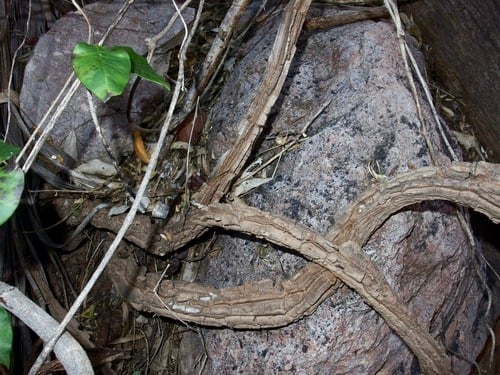
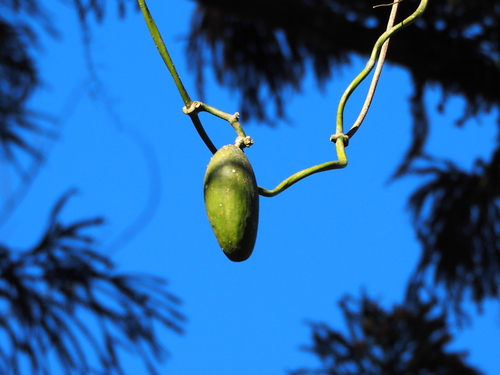
A twining herb. It grows 1-3 stems each year. It produces a tuber 3-5 cm across. The leaves are oval or spoon shaped and 3-10 cm long. They can be hairy. There are 1-3 flowers in a group.
Edible Uses
The root tubers are roasted.
Traditional Uses
The root tubers are roasted.
This uses section is brief — help expand it
Distribution
It is a tropical plant.
Where It Grows
Africa, Angola, Botswana, Namibia, South Africa, Southern Africa, Zimbabwe,
Notes
Also put in the family Asclepiadaceae.
Synonyms
Brachystelma gymnopodum (Schltr.) BruynsCeropegia gymnopoda Schltr.Ceropegia pumila N. E. Br.Ceropegia pygmaea Schinz
References (6)
- Fox, F. W. & Young, M. E. N., 1982, Food from the Veld. Delta Books. p 108
- Maguire, 1978,
- Marshall, 1976,
- Peters, C. R., O'Brien, E. M., and Drummond, R.B., 1992, Edible Wild plants of Sub-saharan Africa. Kew. p 62
- Plowes, N. J. & Taylor, F. W., 1997, The Processing of Indigenous Fruits and other Wildfoods of Southern Africa. in Smartt, L. & Haq. (Eds) Domestication, Production and Utilization of New Crops. ICUC p 187
Show all 6 references Hide references
- World Checklist of Useful Plant Species 2020. Royal Botanic Gardens, Kew (As Ceropegia gymnopoda)