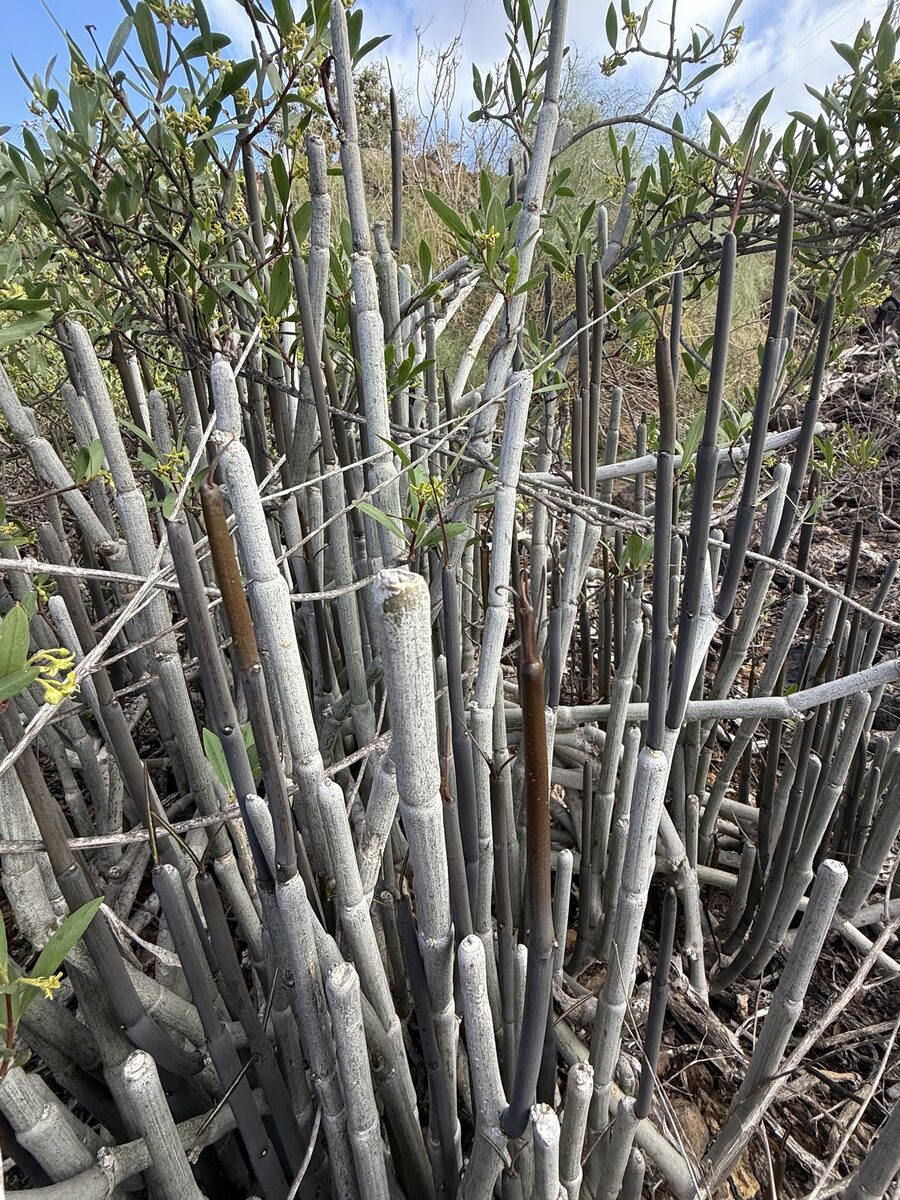
Vincetoxicum canescens
(Willd.) Decne
iNaturalist· cc-by-nc
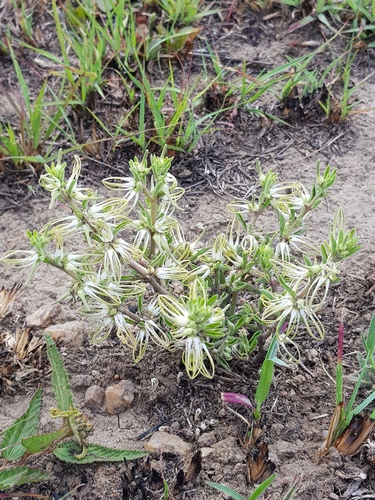
(c) Sami Tamson, some rights reserved (CC BY-NC), uploaded by Sami Tamson
iNaturalist· cc-by
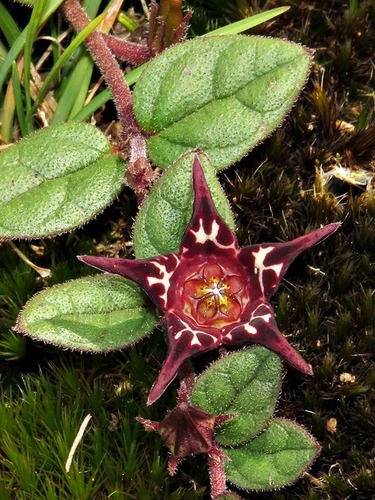
(c) Michael and Antoni Hinczewski, some rights reserved (CC BY), uploaded by Michael and Antoni Hinczewski
iNaturalist· cc-by-nc
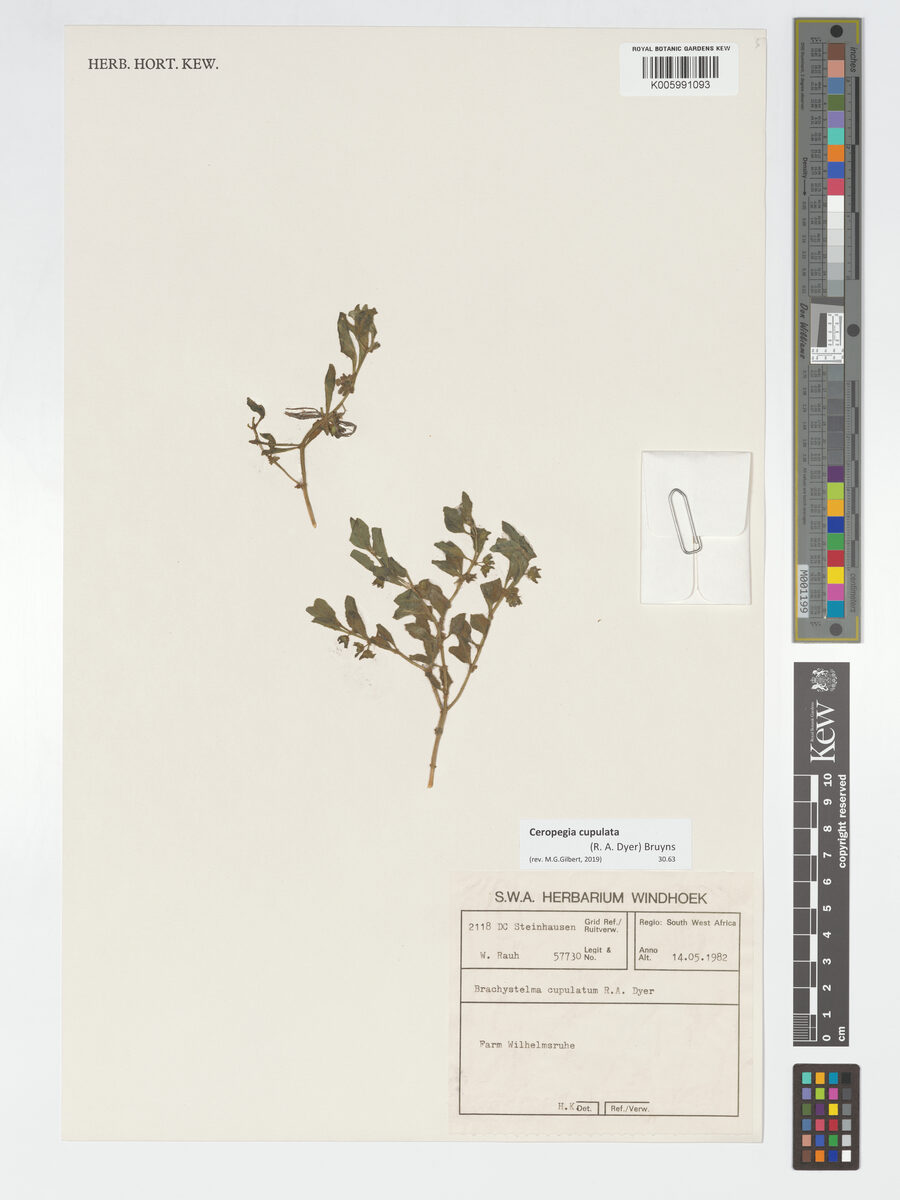
(c) Sami Tamson, some rights reserved (CC BY-NC), uploaded by Sami Tamson
Description
A hairy herb. The underground stem or rhizome has dense clusters or roots. The stems are erect and 50 cm tall but flexible. The leaf stalk is 2-15 mm long. The leaves are oval or oblong and 3-8 cm long by 2-5 cm wide. They are leathery. The are rounded or heart shaped at the base and taper to the tip. The flowers are hairy and the flowering shoots do not have a stalk. The flowers are yellow or green.
Edible Uses
The roots are eaten, though they may require processing.
Traditional Uses
The roots are eaten. Caution: They made need processing.
This uses section is brief — help expand it
Known Hazards
Roots may need processing before consumption.
Distribution
It is a temperate plant. In the Himalayas it grows between 2,300-3,600 m above sea level.
Where It Grows
Afghanistan, Asia, Bhutan, China, India, Iran, Mediterranean, Middle East, Nepal, Pakistan, Russia, Tibet,
Synonyms
References (1)
- Ghimire, S. K., et al, 2008, Non-Timber Forest Products of Nepal Himalaya. WWF Nepal p 25 (As Cynanchum canescens)