Vallesia glabra
(Cav.) Link.
Glabrous vallesia, Pearlberry
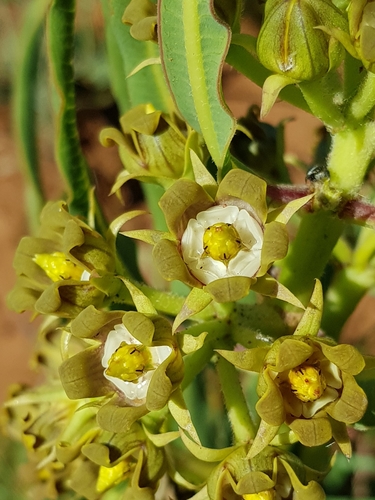
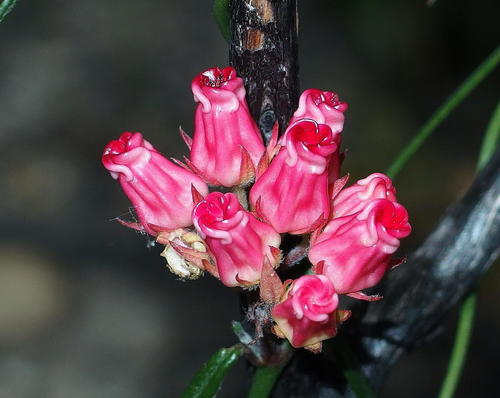
iNaturalist· cc-by
(c) Eric Knight, some rights reserved (CC BY)
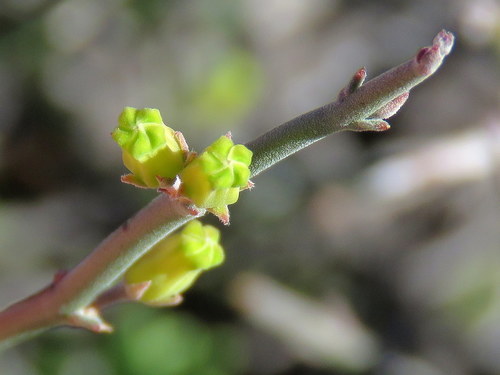
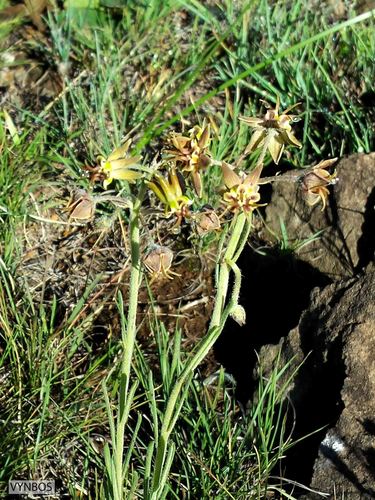
iNaturalist· cc-by
(c) Alan Rockefeller, some rights reserved (CC BY)
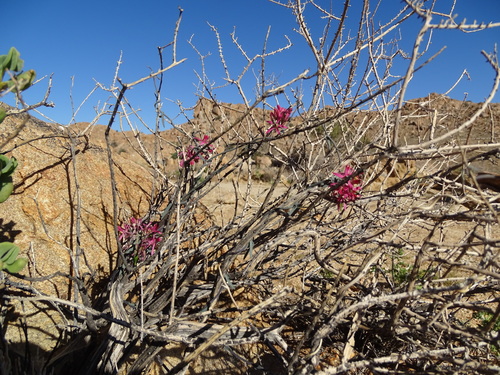
iNaturalist· cc-by
(c) Alan Rockefeller, some rights reserved (CC BY)
Summary
Source: WikipediaVallesia glabra, the pearlberry, is a species of plant, a shrub of the family Apocynaceae. It is native to tropical America. It also has the common names smooth vallesia and tear shrub.
Description
A shrub. The flowers are white. The fruit are white and let the light through.
This description is brief — help expand it
Edible Uses
The fully ripe fruit are eaten raw.
Traditional Uses
The fully ripe fruit are eaten raw.
This uses section is brief — help expand it
Distribution
It is a tropical and subtropical plant. In Argentina it grows from sea level to 1,000 m above sea level.
Where It Grows
Argentina, Bahamas, Bolivia, Central America, Colombia, Cuba, Ecuador, Galapagos, Jamaica, Mexico, North America, Paraguay, South America*, USA, West Indies,
Synonyms
Also Known As
Amarguillo, Ancoche, Anguchi, Aracuarembiu, Cacaragua, Cacarahue, Chulu chulu, Citabaro, Cutabaro, Frutilla, Hueveto, Huitatave, Mahuira, Otatave, Paayute, Perlillos, Pikasuhimbiu, Sh'iki, Sitabaro, Sitavaro, Teta de gata, Tonoopa
References (15)
- Arenas, P. and Scarpa, G. F., 2006, Edible wild plants of the Chorote Indians, Gran Chaco, Argentina. Botanical Journal of the Linnean Society. Vol. 153 (1): pp 73-85
- Desert Survivors Online Plant Database
- Grandtner, M. M., 2008, World Dictionary of Trees. Wood and Forest Science Department. Laval University, Quebec, Qc Canada. (Internet database http://www.wdt.qc.ca)
- Grandtner, M. M. & Chevrette, J., 2013, Dictionary of Trees, Volume 2: South America: Nomenclature, Taxonomy and Ecology. Academic Press p 684
- Hellmuth, N. M., 2013, Maya Ethnobotany. FLAAR Reports. p 20
Show all 15 references Hide references
- Kermath, B. M., et al, 2014, Food Plants in the Americas: A survey of the domesticated, cultivated and wild plants used for Human food in North, Central and South America and the Caribbean. On line draft. p 898
- Martin, F. W., et al, 1987, Perennial Edible Fruits of the Tropics. USDA Handbook 642 p 82
- Montani, M. C. & Scarpa, G. F., 2016, Recursos vegetales y prácticas alimentarias entre indígenas tapiete del noreste de la provincia de Salta, Argentina. Darwiniana, nueva serie vol.4 no.1 San Isidro jul. 2016
- Palmieri, V. S., et al, 2018, Aproximaciones etnobotánicas de las especies y prácticas de frutos nativos comestibles de la Actualidad. Aportes para la interpretación del pasado prehispánico de cerro colorado (Córdoba, Argentina). Bol. Soc. Argent. Bot. 53 (1): 115-133
- Piedra-Malagón, E. M. et al, 2022, Edible native plants of the Gulf of Mexico Province. Biodiversity Data Journal 10: e80565 p 10
- Roa, J. A. G. & Boada, D. S. G., 2018, Fundación para el Fortalecimiento de la Fruticultura y Plantas Alimenticias no Convencionales en Colombia.
- Scarpa, G. F., 2009, Wild food plants used by the indigenous peoples of South American Gran Chaco: A general synopsis and intercultural comparison. Journal of Applied Botany and Food Quality 83:90-101
- Segura, S. et al, 2018, The edible fruit species in Mexico. Genet Resour Crop Evol (2018) 65:1767–1793
- Sonorensis Newsletter 2009 - Arizona Sonora Desert Museum
- World Checklist of Useful Plant Species 2020. Royal Botanic Gardens, Kew