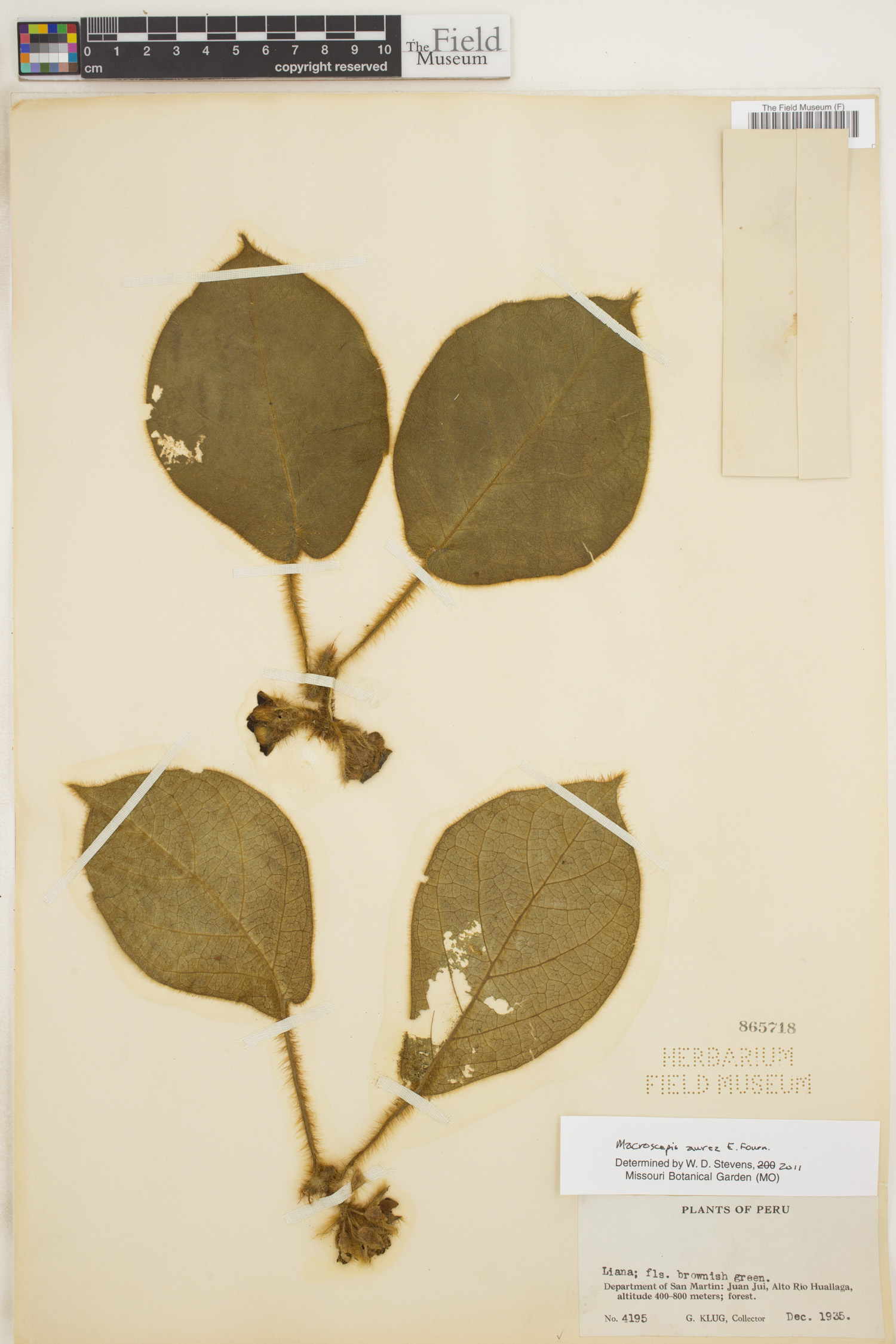
Ceropegia nilotica
Kotschy
Nile ceropegia, White-banded ceropegia
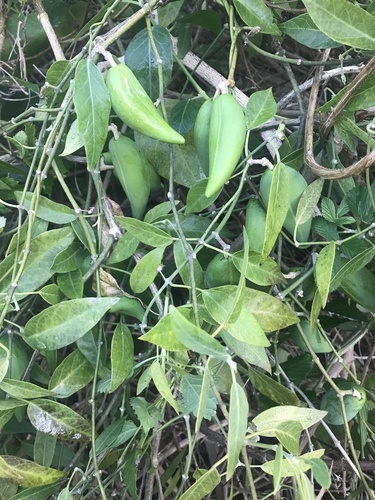
iNaturalist· cc-by-nc
(c) Alex Dreyer, some rights reserved (CC BY-NC), uploaded by Alex Dreyer
iNaturalist· cc0
no rights reserved, uploaded by Andrew Deacon
iNaturalist· cc0
no rights reserved, uploaded by Andrew Deacon
Description
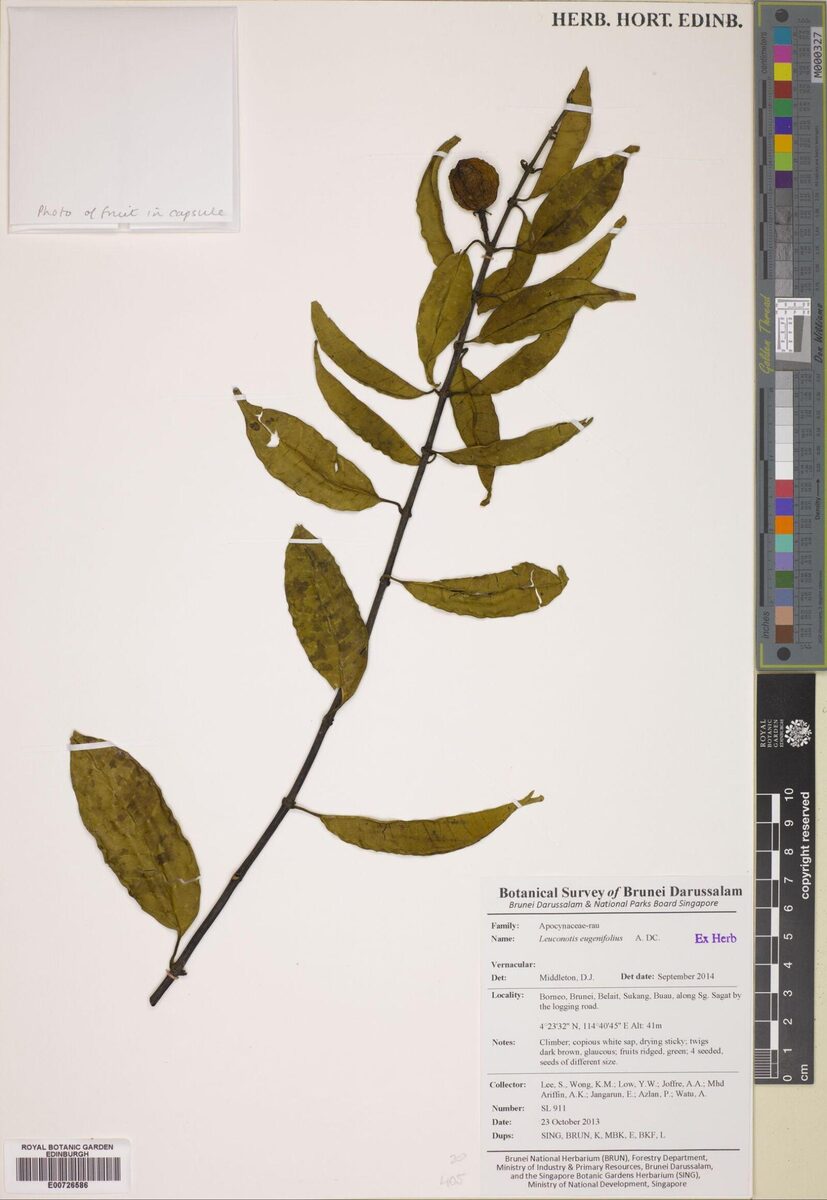
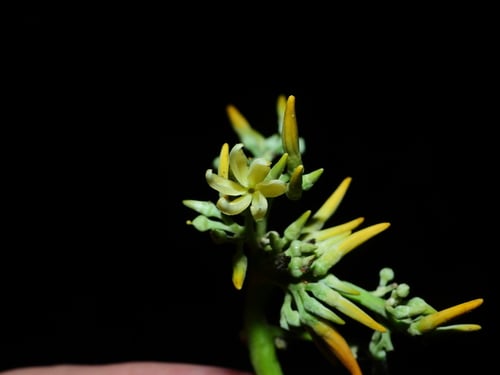
A succulent herb. It is a climber or scrambler. It has underground stems or rhizomes. It grows 1-5 m high. The leaves are 3-8 cm long by 2-6 cm wide. They are slightly fleshy and have teeth along the edge. The flowers are 4-5 cm long. The tube is joined at the tip. The roots are fleshy and in clusters.
Edible Uses
Root - raw or cooked. Crisp and juicy, with a flavour and texture reminiscent of horseradish; they are usually eaten raw as a refreshing snack on a hot day, but they can also be roasted. The plant produces a clump of perhaps a dozen or so crisp, white roots up to 20cm long and almost as thick as a pencil. The roots do not grow very deep in the soil and are easy to dig out.
Traditional Uses
The fleshy root is eaten raw. It is crisp and juicy. They are also cooked.
This uses section is brief — help expand it
Distribution
It is a subtropical plant. In southern Africa it grows between 50-1,800 m above sea level. It can grow in arid places.
Where It Grows
Africa, Australia, Botswana, Burkina Faso, East Africa, Eswatini, Namibia, Southern Africa, Swaziland, West Africa, Zambia, Zimbabwe,
Cultivation
A plant of semi-arid areas in the tropics and subtropics, where it can be found at elevations from 50 - 1,500 metres.
Other Information
The roots are valued
Notes
Also put in the family Asclepiadaceae.
Synonyms
Also Known As
Kombrua
References (9)
- Fox, F. W. & Young, M. E. N., 1982, Food from the Veld. Delta Books. p 108
- Long, C., 2005, Swaziland's Flora - siSwati names and Uses http://www.sntc.org.sz/flora/
- Peters, C. R., O'Brien, E. M., and Drummond, R.B., 1992, Edible Wild plants of Sub-saharan Africa. Kew. p 62
- Plowes, N. J. & Taylor, F. W., 1997, The Processing of Indigenous Fruits and other Wildfoods of Southern Africa. in Smartt, L. & Haq. (Eds) Domestication, Production and Utilization of New Crops. ICUC p 188
- Rodin, 1985,
Show all 9 references Hide references
- Royal Botanic Gardens, Kew (1999). Survey of Economic Plants for Arid and Semi-Arid Lands (SEPASAL) database. Published on the Internet; http://www.rbgkew.org.uk/ceb/sepasal/internet [Accessed 28th March 2011]
- Ruiters-Welcome, A. K., 2019, Food plants of southern Africa. Ph.D. thesis. Univ. of Johannesburg p 23
- Welcome, A. K. & Van Wyk, B.-E., 2019, An inventory and analysis of the food plants of southern Africa. South African Journal of Botany 122 (2019) 136–179
- World Checklist of Useful Plant Species 2020. Royal Botanic Gardens, Kew