Vaccinium stanleyi
Schweinf.
Blueberry
iNaturalist· cc-by-nc-sa
(c) Marco Schmidt, some rights reserved (CC BY-NC-SA), uploaded by Marco Schmidt
iNaturalist· cc-by-nc-sa
(c) Marco Schmidt, some rights reserved (CC BY-NC-SA)
Description
A low shrub. It grows up to 2-3 m tall. The young branches have small hairs. The leaves are a shiny green above. The leaves are narrowly oval and 1-5 cm long by 1-2 cm wide. The base is wedge shaped and the edges have small teeth. There are 5-15 flowers in a group near the ends of branches. The fruit are round and red but turn purple to black. They are 6-8 mm across.
Edible Uses
The berries are eaten fresh.
Distribution
A tropical plant.
Where It Grows
Africa, Central Africa, Congo, East Africa, Rwanda,
Dangerous Lookalikes
This plant can be confused with the following toxic species. Always verify identification carefully before consuming any wild plant.
Deadly Nightshade
Atropa belladonna
Joan Simon from Barcelona, España
Blueberry
Vaccinium stanleyi
(c) Marco Schmidt, some rights reserved (CC BY-NC-SA), uploaded by Marco Schmidt
Deadly Nightshade: Tall herbaceous plant (1-2m), single shiny black cherry-sized berries, star-shaped calyx, large oval leaves, sweet but dangerous taste.
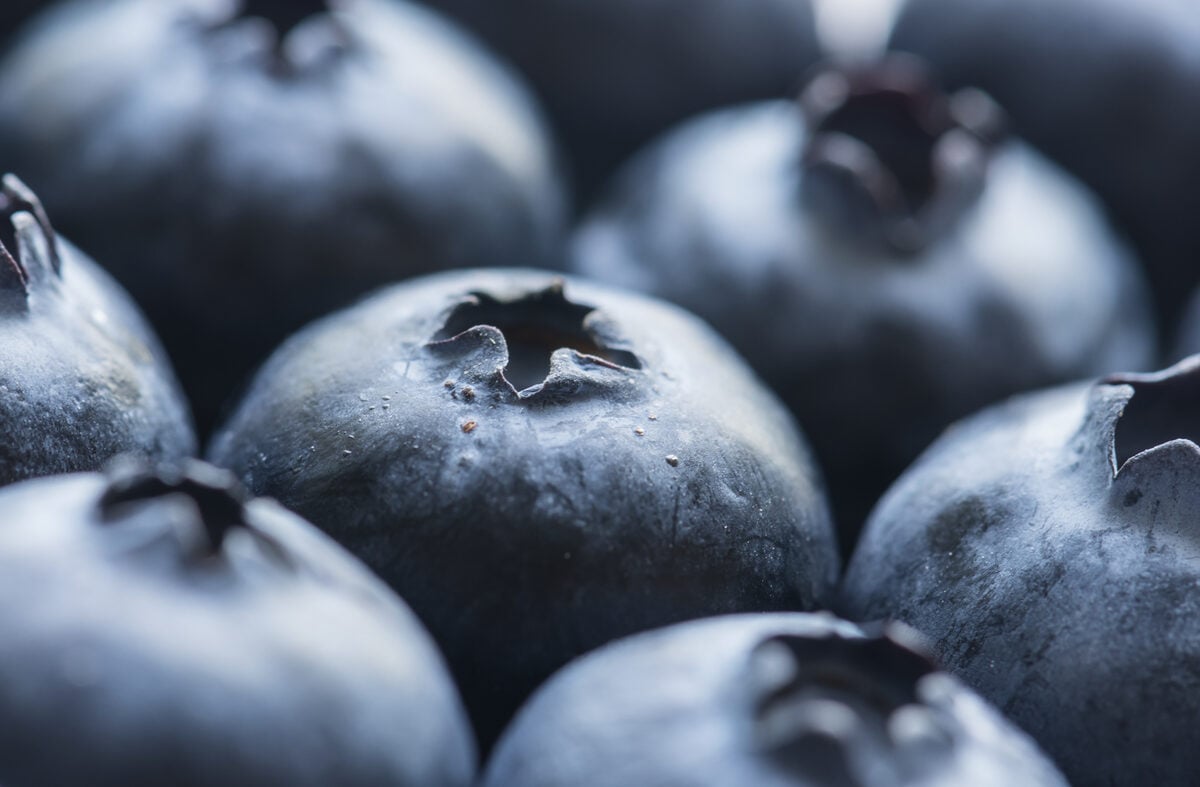
Blueberry: Low woody shrub, berries in clusters with crown/remnant calyx ring, sweet taste.
Also Known As
Umusiine
References (3)
- Beckstrom-Sternberg, Stephen M., and James A. Duke. "The Foodplant Database." http://probe.nalusda.gov:8300/cgi-bin/browse/foodplantdb.(ACEDB version 4.0 - data version July 1994)
- Jardin, C., 1970, List of Foods Used In Africa, FAO Nutrition Information Document Series No 2.p 167
- JSTOR Global Plants edible
More from Ericaceae
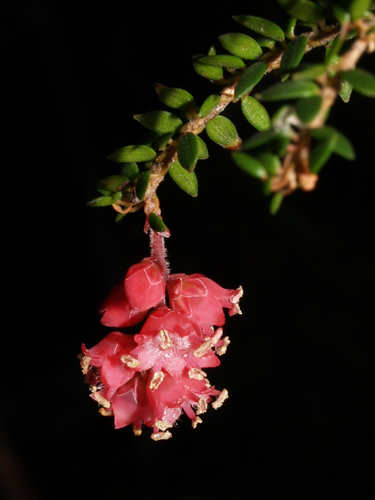
Trochocarpa cunninghamii
Cunningham's trochocarpa, Straggling purpleberry, Flat heath
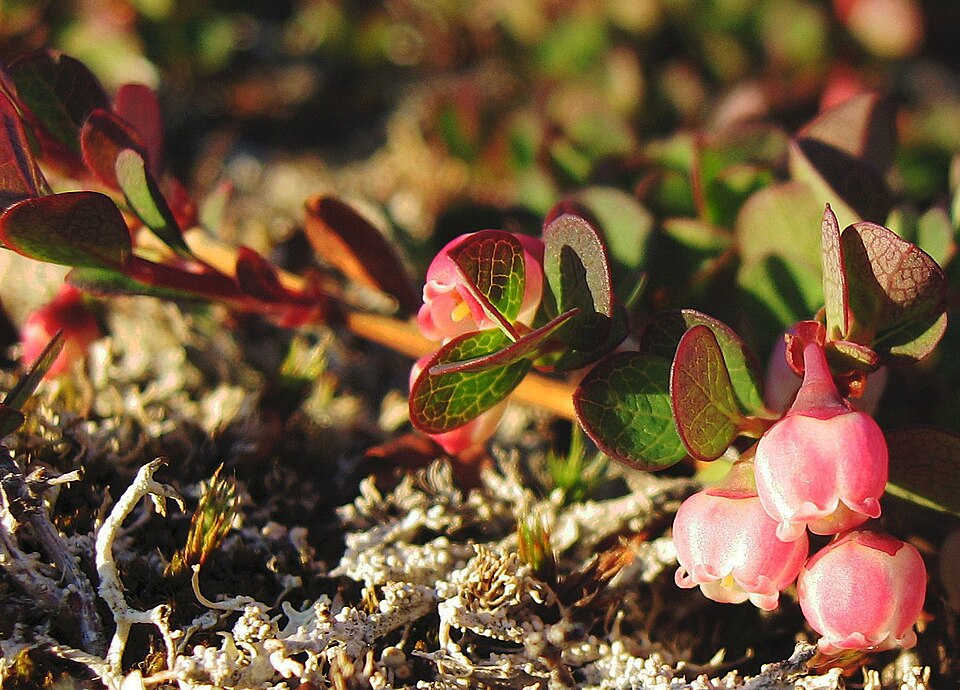
Vaccinium alainii
Blueberry
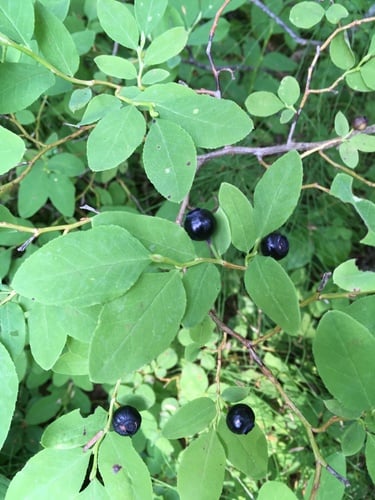
Vaccinium alaskaense
Alaska blueberry, Oval-leaf Blueberry
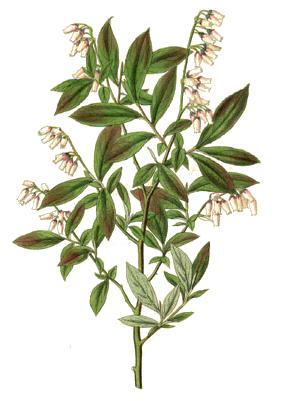
Vaccinium amoenum
Large-cluster blueberry, Small-flower Blueberry
Vaccinium andringitrense
Vaccinium angustifolium
Low-bush blueberry