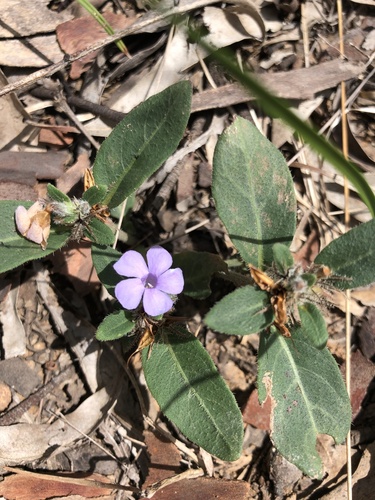
Monechma debile
(Forssk.) Nees
iNaturalist· cc-by-nc
(c) magdastlucia, some rights reserved (CC BY-NC)
iNaturalist· cc-by-nc
(c) magdastlucia, some rights reserved (CC BY-NC)
iNaturalist· cc-by-nc
(c) magdastlucia, some rights reserved (CC BY-NC)
Description
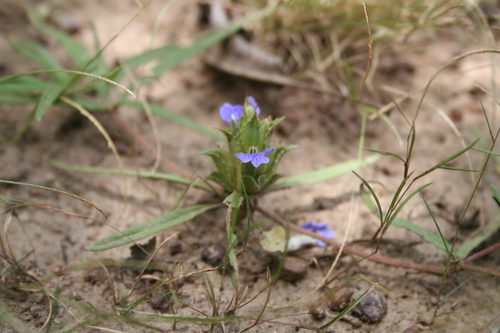
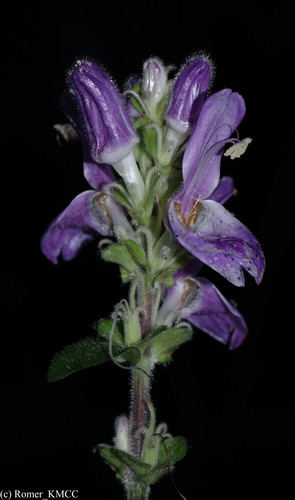
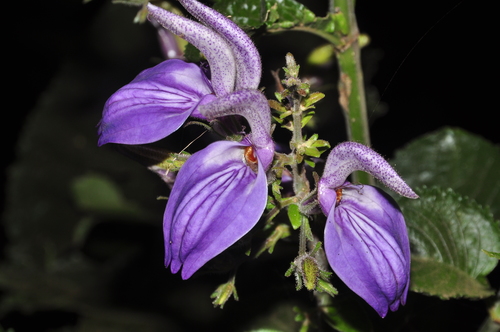
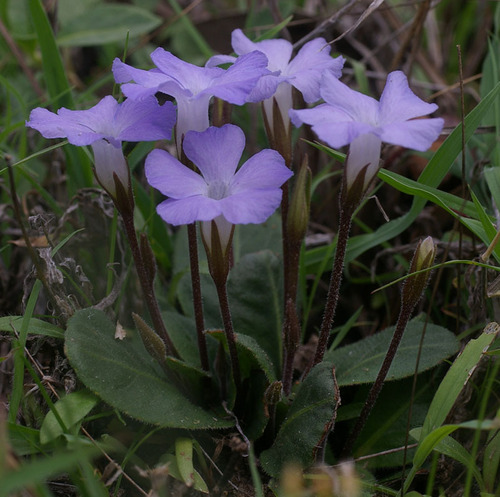
An annual herb. It grows 50 cm high. It has fine hairs. The leaves on the main stem have stalks 2 cm long. The leaves are sword shaped and 10 cm long by 2 cm wide. The flowering shoots are at the ends of branches and in the axils of leaves. These have clusters of flowers. The fruit are about 5 mm long and downy.
Edible Uses
The leaves are cooked in vegetable dishes. The tubers and rhizomes are also eaten, traditionally roasted in ashes under fire.
Traditional Uses
The leaves are cooked in vegetable dishes. The tubers and rhizomes are also cooked and eaten. They are roasted in the ashes under the fire.
This uses section is brief — help expand it
Distribution
It grows in the lowveld in Swaziland. It grows in a variety of locations especially disturbed ground. It is best on well-drained sandy soil. It grows from 15 to 1,500 m above sea level. It can grow in arid places.
Where It Grows
Africa, Asia, Botswana, East Africa, Eswatini, India, Namibia, South Africa, Southern Africa, Swaziland, Zambia, Zimbabwe,
References (6)
- Herb., E. A., 1981,
- Peters, C. R., O'Brien, E. M., and Drummond, R.B., 1992, Edible Wild plants of Sub-saharan Africa. Kew. p 45
- Swaziland's Flora Database http://www.sntc.org.sz/flora
- Pickering, H., & Roe, E., 2009, Wild Flowers of the Victoria Falls Area. Helen Pickering, London. p 16
- Royal Botanic Gardens, Kew (1999). Survey of Economic Plants for Arid and Semi-Arid Lands (SEPASAL) database. Published on the Internet; http://www.rbgkew.org.uk/ceb/sepasal/internet [Accessed 24th March 2011]
Show all 6 references Hide references
- World Checklist of Useful Plant Species 2020. Royal Botanic Gardens, Kew