Justicia heterocarpa
T. Anderson
iNaturalist· cc-by-nc
(c) Bart Wursten, some rights reserved (CC BY-NC)
Description
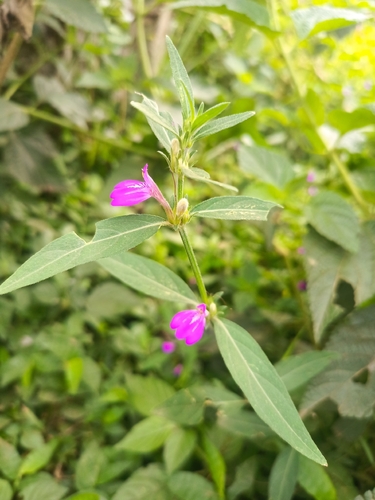
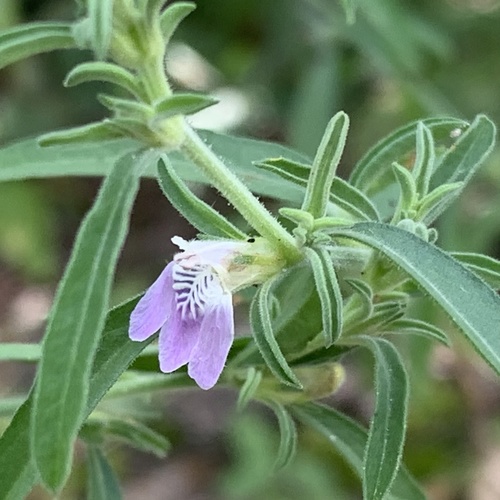
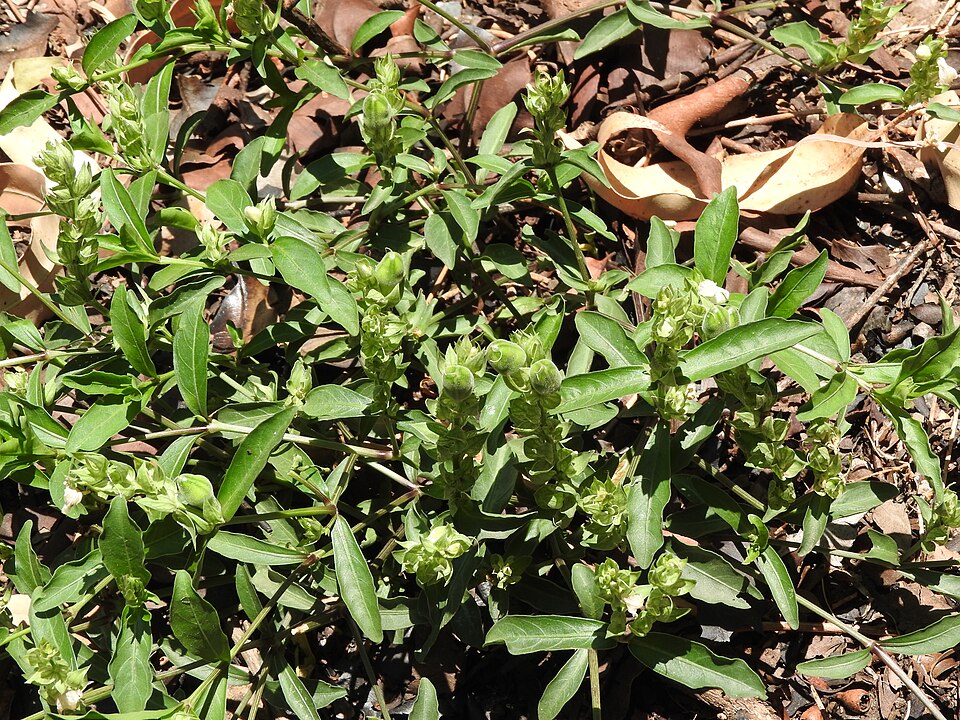
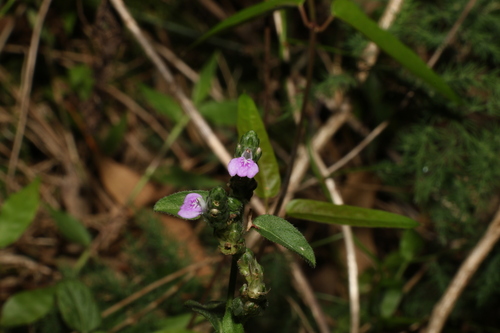
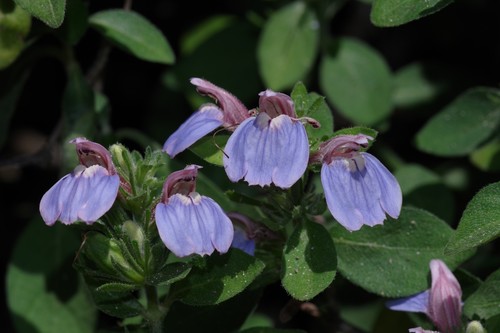
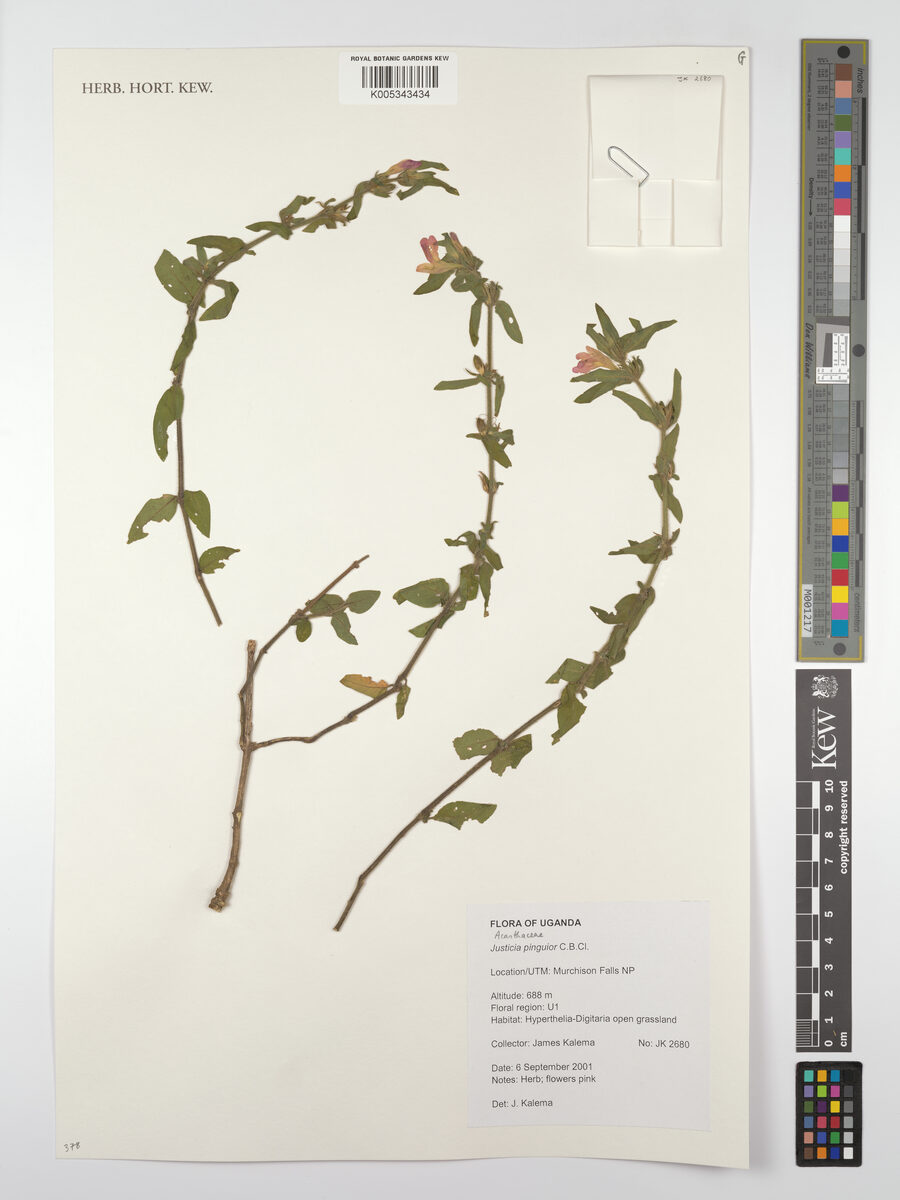
An erect herb. It is hairy and grows each year from seed. The stems are 60 cm long and have ribs. The leaves are opposite and oval. They have soft hairs. The flowers are white or pink with darker marks. There are bracts around the flowers. The fruit are dry capsules.
Edible Uses
Leaves - cooked and eaten as a vegetable. The leaves are chopped and cooked alone or with other vegetables; pounded groundnuts or coconut milk are added and the whole is then served with a staple food such as rice.
Traditional Uses
The leaves are cooked and eaten.
This uses section is brief — help expand it
Distribution
It is a tropical plant. It grows in dry grassland. It is often under shade.
Where It Grows
Africa, Burundi, Central Africa, Congo, East Africa, Ethiopia, Kenya, South Africa, Tanzania, Uganda, Zambia,
Cultivation
Plants can be grown by seeds or cuttings.
Production
Leaves are collected during the rainy season.
Synonyms
Also Known As
Antidy, Mwidu, Ungobo, Ungoto, Unkobo
References (9)
- Fleuret, 1979,
- Grivetti, L. E., 1980, Agricultural development: present and potential role of edible wild plants. Part 2: Sub-Saharan Africa, Report to the Department of State Agency for International Development. p 50
- Harkonen, M. & Vainio-Mattila, K., 1998, Some examples of Natural Products in the Eastern Arc Mountains. Journal of East African Natural History 87:265-278
- Msuya, T. S., et al, 2010, Availability, Preference and Consumption of Indigenous Foods in the Eastern Arc Mountains, Tanzania, Ecology of Food and Nutrition, 49:3, 208-227
- Peters, C. R., O'Brien, E. M., and Drummond, R.B., 1992, Edible Wild plants of Sub-saharan Africa. Kew. p 44
Show all 9 references Hide references
- Pickering, H., & Roe, E., 2009, Wild Flowers of the Victoria Falls Area. Helen Pickering, London. p 16
- Ruffo, C. K., Birnie, A. & Tengnas, B., 2002, Edible Wild Plants of Tanzania. RELMA p 406
- Vainio-Mattila, K., 2000, Wild vegetables used by the Sambaa in the Usumbara Mountains, NE Tanzania. Ann. Bot. Fennici 37:57-67
- Yimer, A., et al, 2021, Ethnobotanical study of wild edible plants used by Meinit Ethnic Community at Bench-Maji Zone, Southwest Ethiopia. Research Square. p 5