Zea diploperennis
H. H. Iltis, Doebley & R. Guzman
Diploid perennial teosinte
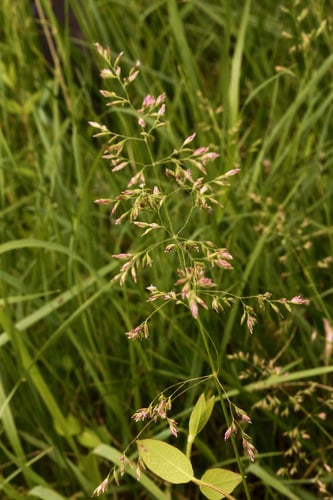
iNaturalist· cc-by-sa
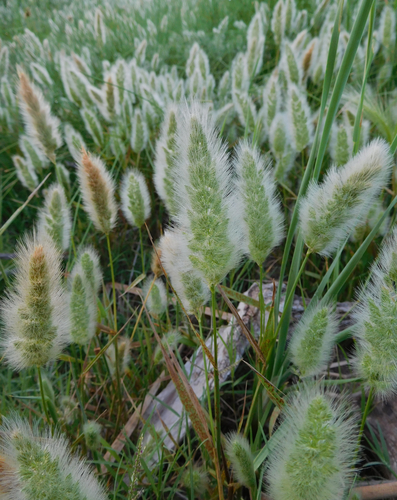
(c) Matt Lavin, some rights reserved (CC BY-SA)
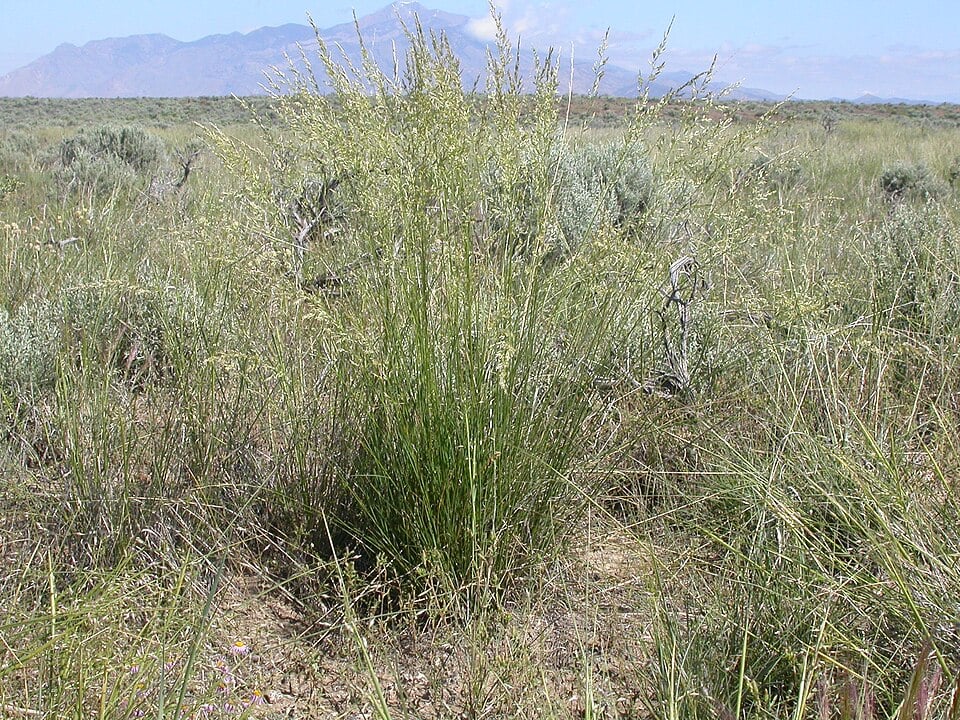
iNaturalist· cc-by-nc-sa
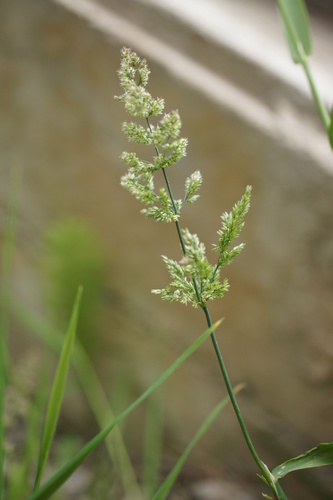
(c) Archivo de Proyectos, some rights reserved (CC BY-NC-SA)
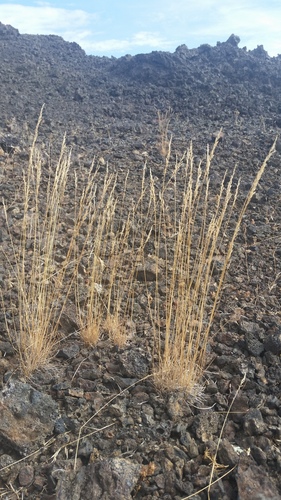
iNaturalist· cc-by-nc
(c) Francisco Amador, some rights reserved (CC BY-NC), uploaded by Francisco Amador
Summary
Source: WikipediaZea diploperennis, the diploperennial teosinte, is a species of grass (family: Poaceae) in the genus Zea and a teosinte (wild relative of maize or corn). It is perennial.
Description
A grass. It forms clumps. It has short rhizomes or underground stems and keeps growing from year to year. The stems can be 2.5 m tall.
This description is brief — help expand it
Edible Uses
The seeds are sometimes eaten.
Distribution
It is a tropical plant. It is a wild relative of maize near El Durazno, Jalisco, Mexico. It grows at about 2,000 m above sea level.
Where It Grows
Central America, Mexico, North America,
Cultivation
The plant has resistance to various viruses that afflict cultivated maize (Zea mays). It has the same number of chromosomes as maize (20), and so can be used in breeding programmes to pass that resistance on to maize and also, perhaps, to develop a perennial form of maize.
Propagation
Seed - Division.
Other Information
The seeds are sometimes eaten.
References (5)
- Facciola, S., 1998, Cornucopia 2: a Source Book of Edible Plants. Kampong Publications, p 183
- Kermath, B. M., et al, 2014, Food Plants in the Americas: A survey of the domesticated, cultivated and wild plants used for Human food in North, Central and South America and the Caribbean. On line draft. p 937
- Science 203:186. 1979
- World Checklist of Useful Plant Species 2020. Royal Botanic Gardens, Kew
- Zeven,