Yakirra australiensis
(Domin) Lazarides & R Webster
Desert Flinders grass, Bunch Panic, Australian Panic
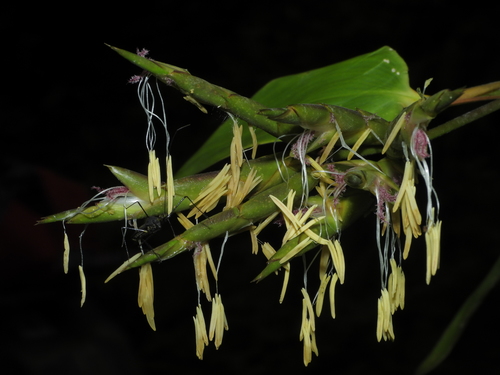
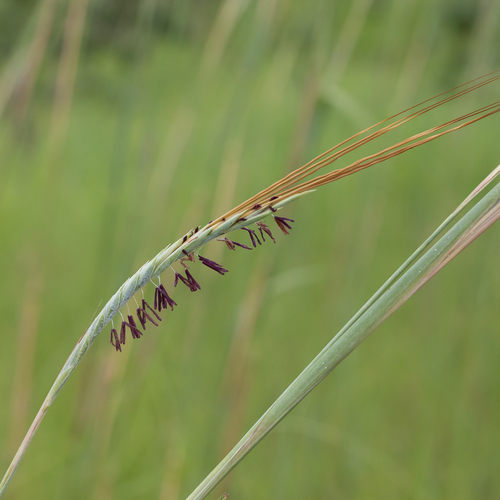
iNaturalist· cc-by-nc
(c) geoffbyrne, some rights reserved (CC BY-NC)
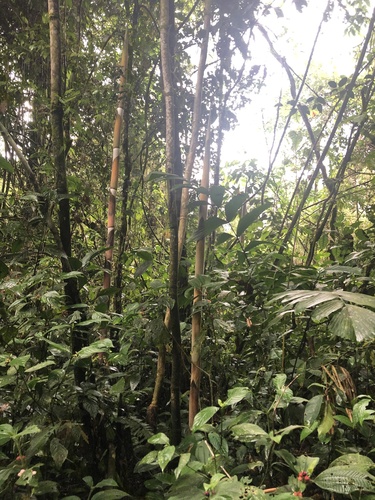
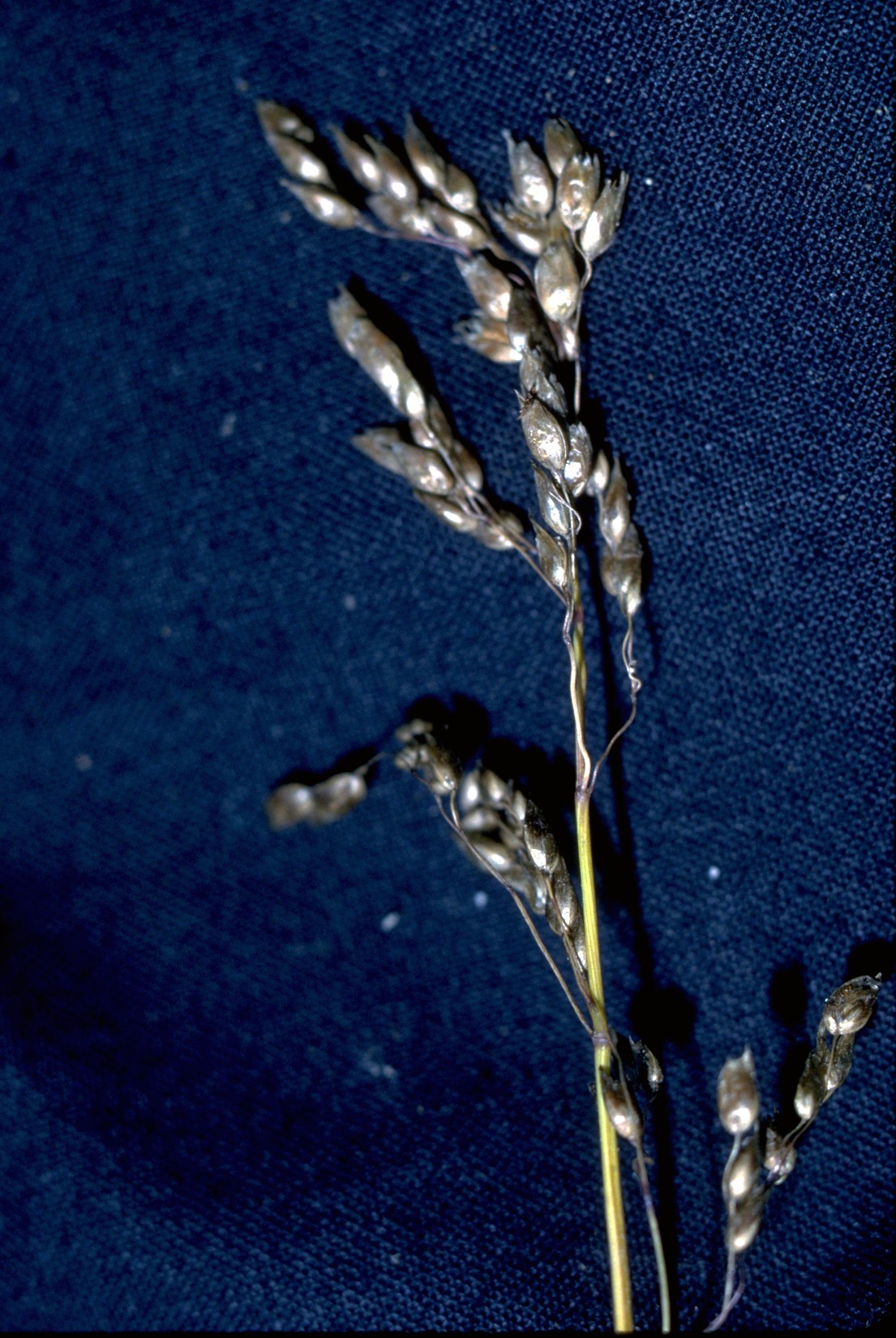
iNaturalist· cc-by-nc
(c) geoffbyrne, some rights reserved (CC BY-NC)
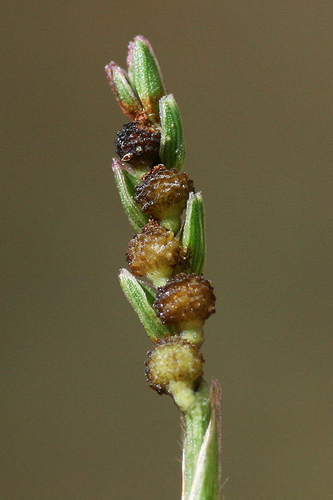
iNaturalist· cc-by-nc
(c) geoffbyrne, some rights reserved (CC BY-NC)
Description
An annual grass. It forms dense tufts. These can be green or reddish-purple. It grows 5-25 cm high and spreads 20-40 cm wide. The stems are bent at the nodes and branched. The leaves are 3.5-6.5 cm long by 0.3-0.5 cm wide. They have the edges thickened. They are hairy. The panicle is 2-3 cm long by 1 cm wide. There are 2-3 branches. They are enclosed within the leaves. The spikelets are 0.3-0.4 cm long.
Edible Uses
The seeds are harvested and used as a cereal grain.
Distribution
A tropical plant. It grows in central Australia. It grows on sand ridges. They need good drainage and sun. It grows in tropical and subtropical places. It can grow in arid places.
Where It Grows
Australia*,
Cultivation
Plants are grown from seed.
Nutrition
| Part | Moisture | kJ | kcal | Protein | Vit A | Vit C | Iron | Zinc |
|---|---|---|---|---|---|---|---|---|
| Seed | 7.4 | 1490 | 356 | 15 | — | — | — | — |
Synonyms
Also Known As
Australian Native Millet, Bunch Panic Grass
References (13)
- Cancilla, D., 2018, Ethnobotanical and Ethnozoological Values Desktop Assessment - Eliwana Project. p 16
- Cherikoff V. & Isaacs, J., The Bush Food Handbook. How to gather, grow, process and cook Australian Wild Foods. Ti Tree Press, Australia p 190 (As Panicum australiense)
- Chivers, I., et al, 2015, Native grasses make new products. A review of current and past uses and assessment of potential. Rural Industries Research and Development Corporation. Aust. Gvt. p 19
- Elliot, W.R., & Jones, D.L., 1997, Encyclopedia of Australian Plants suitable for cultivation. Vol 7. Lothian. p 161 (As Panicum australiense)
- Kenneally, K.E., Edinger, D. C., and Willing T., 1996, Broome and Beyond, Plants and People of the Dampier Peninsula, Kimberley, Western Australia. Department of Conservation and Land Management. p 226
Show all 13 references Hide references
- Latz, P.K., 1996, Bushfires and Bushtucker: Aboriginal plant use in Central Australia. IAD Press Alice Springs p 298
- Latz, P & Wightman, G., 1995, Desert Bush Tucker Identikit. Common Native Food Plants of Central Australia. Parks & Wild Commission Northern territory. p 58
- Lazarides, M. & Hince, B., 1993, Handbook of Economic Plants of Australia, CSIRO. p 180 (As Panicum australiense)
- Lazarides, M. & Hince, B., 1993, Handbook of Economic Plants of Australia, CSIRO. p 250
- Low, T., 1991, Wild Food Plants of Australia. Australian Nature FieldGuide, Angus & Robertson. p 159 (As Panicum australiense)
- Wheeler, J.R.(ed.), 1992, Flora of the Kimberley Region. CALM, Western Australian Herbarium, p 1248
- Wightman, Glenn et al. 1994, Gurindji Ethnobotany: Aboriginal Plant Use from Daguragu Northern Australia. Northern Territory Botanical Bulletin No 18. Parks and Wildlife Commission of the Northern Territory. p 55
- (As Panicum australiense)