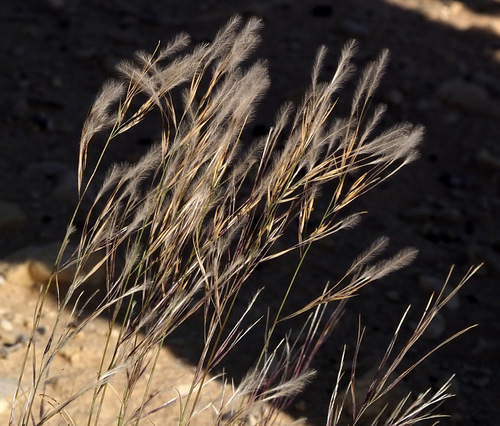
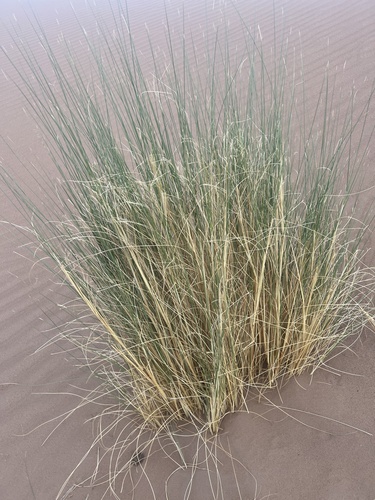
Panicum heterostachyum
Hackel
Heartleaf grass
iNaturalist· cc-by-nc
(c) Nyiko Gift Mutileni, some rights reserved (CC BY-NC)
iNaturalist· cc-by-nc
(c) Nyiko Gift Mutileni, some rights reserved (CC BY-NC)
iNaturalist· cc-by-nc
(c) Nyiko Gift Mutileni, some rights reserved (CC BY-NC)
Description
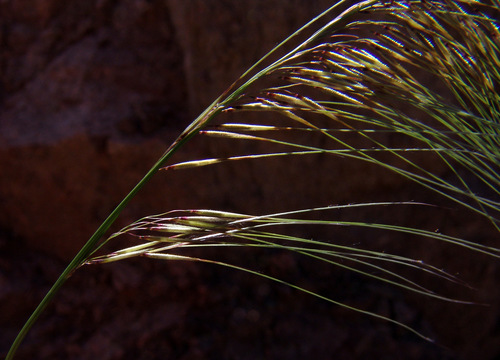
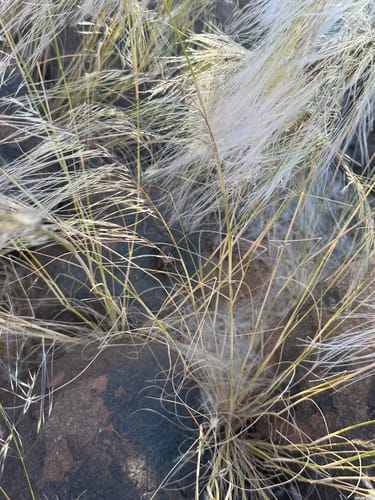
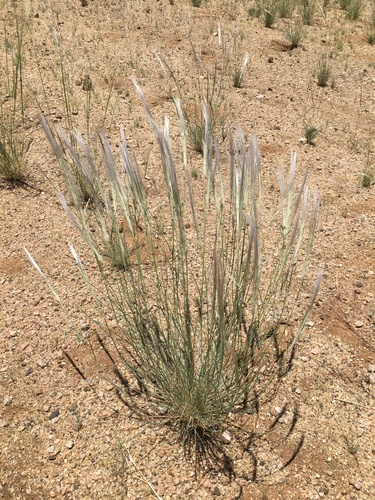
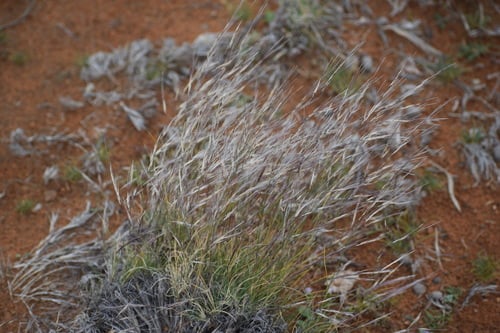
An annual grass. It grows 20-80 cm long. The leaf blade is 8-12 cm long by 10-25 mm wide. They are narrowly oval. The flower panicle is 4-15 cm long. It has many branches. The spikelets are 1.5 mm long.
Edible Uses
The rhizomes are eaten as a famine food.
Traditional Uses
The rhizomes are used as a famine food.
This uses section is brief — help expand it
Medicinal Uses
The rhizomes are used traditionally as a famine food.
Distribution
It is a tropical plant. It grows in bushland and savanna throughout tropical Africa. It grows from 30-1,700 m altitude. It grows in hot arid places. It grows in dry sandy soils and in poorly drained soils. It can tolerate shade. It can grow in arid places.
Where It Grows
Africa, Angola, Bolivia, Botswana, Brazil, Burundi, Caribbean, Central Africa, Colombia, Congo, East Africa, Ethiopia, Gabon, Gambia, Ghana, Guianas, Guinea, Guinée, Guyana, Kenya, Malawi, Mozambique, Namibia, Niger, Sahel, Senegal, South Africa, Southern Africa, South America, Sudan, Suriname, Tanzania, Trinidad & Tobago, Uganda, West Africa, Zambia, Zimbabwe,
Other Information
It is a famine food.
Also Known As
Kansenye
References (5)
- Flora Zambesiaca. http://apps.kew.org/efloras
- Fowler, D. G., 2007, Zambian Plants: Their Vernacular Names and Uses. Kew. p 71
- Newman, 1970,
- Peters, C. R., O'Brien, E. M., and Drummond, R.B., 1992, Edible Wild plants of Sub-saharan Africa. Kew. p 24
- Royal Botanic Gardens, Kew (1999). Survey of Economic Plants for Arid and Semi-Arid Lands (SEPASAL) database. Published on the Internet; http://www.rbgkew.org.uk/ceb/sepasal/internet [Accessed 3rd June 2011]