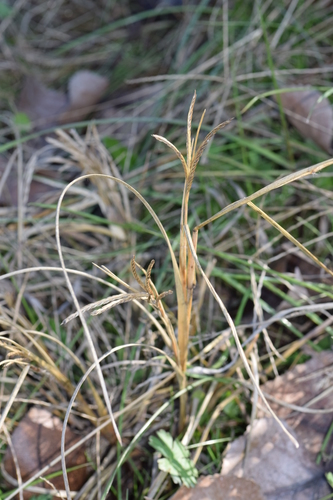
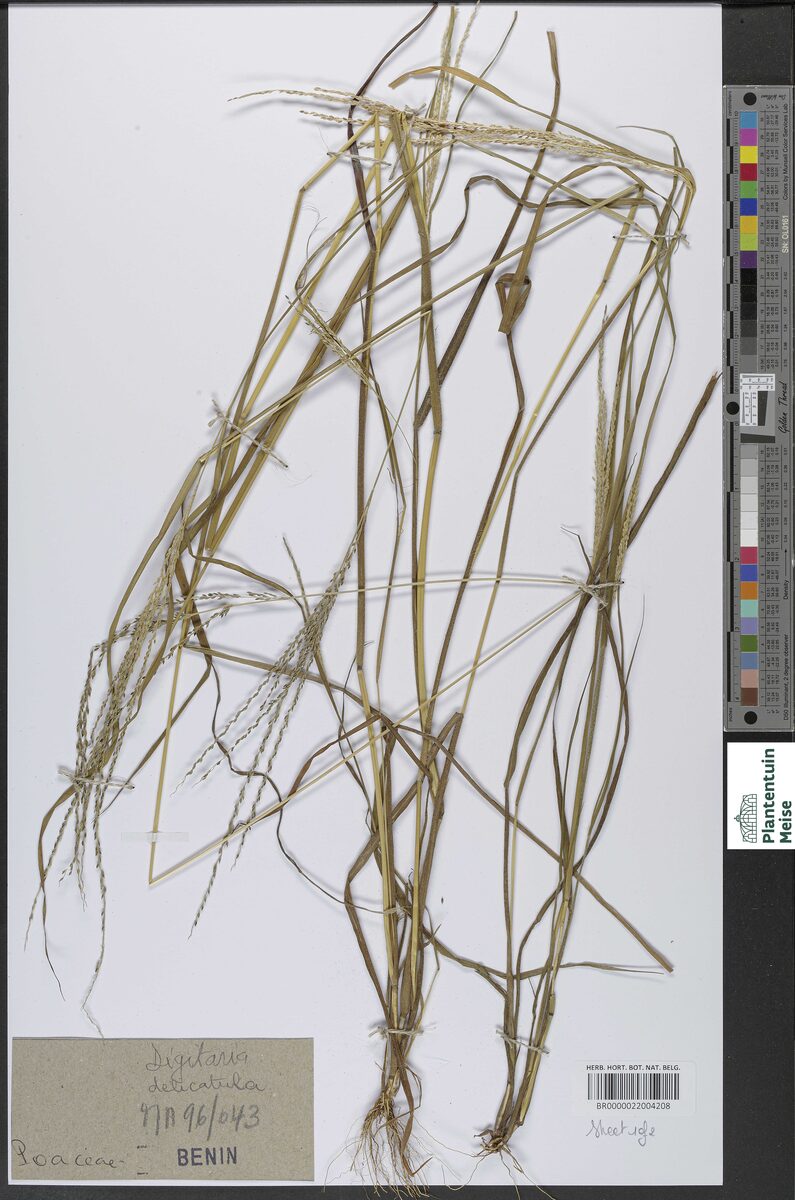
Eragrostis planiculmis
Nees
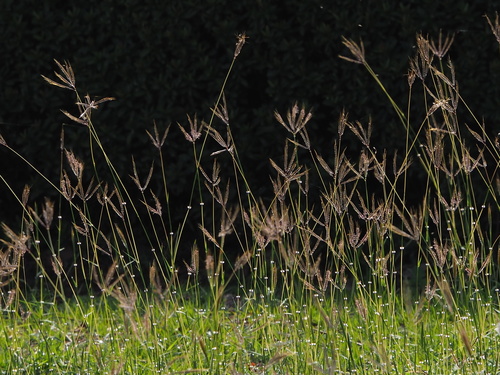
iNaturalist· cc-by-nc-sa
(c) David Hoare, some rights reserved (CC BY-NC-SA), uploaded by David Hoare
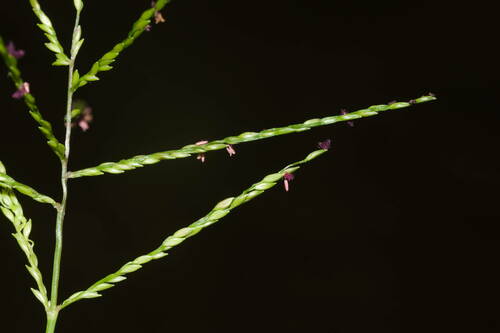
iNaturalist· cc-by-nc-sa
(c) David Hoare, some rights reserved (CC BY-NC-SA)
Description
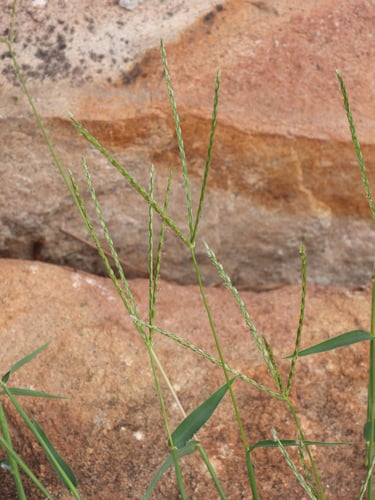
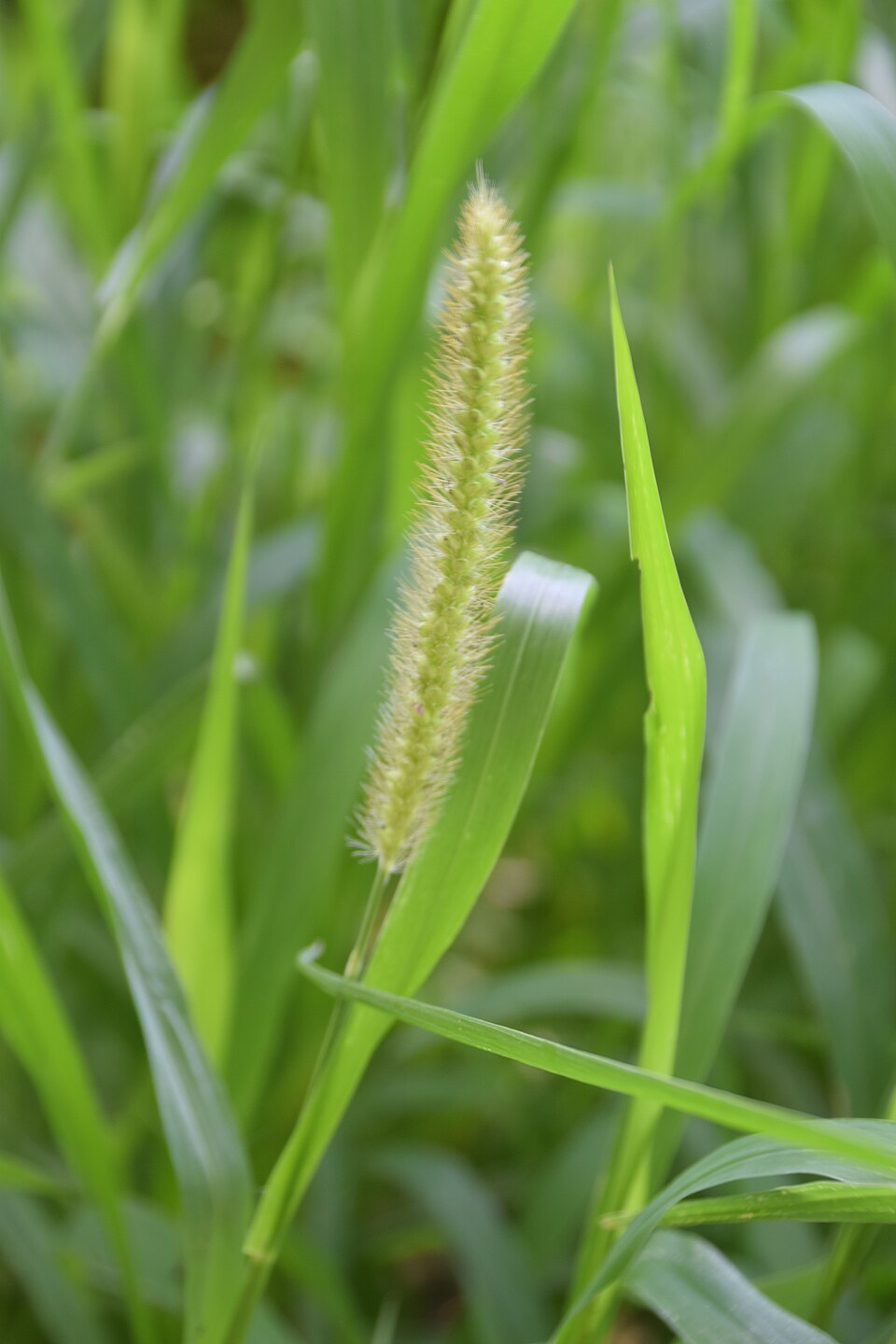
A perennial grass species growing 1.2 m tall. It is found in subtropical regions at elevations of 900-1,520 m and is rare in Swaziland.
This description is brief — help expand it
Edible Uses
This grass is valuable as a forage for livestock in Africa, its native range. There are many ecotypes. Several of these ecotypes were collected and introduced in the United States as cultivars. The grass was first planted in the United States in Stillwater, Oklahoma, in 1935. It was good for livestock, and its massive root network made it a good plant for erosion control. It spread quickly as it was planted for ornamental purposes. It reached New York in the 1960s and in the 1970s and 80s it was planted alongside many highways such as the Long Island Expressway. Today it occurs as an invasive species in wild habitat from the southwestern United States to the East Coast. It can be found in woodlands, chaparral, prairie, grassland, and disturbed areas. It is tolerant of very acidic and very basic soils; it grows easily in mine spoils. This species may hybridize with other Eragrostis, such as Eragrostis caesia, E. lehmanniana, and E. planiculmis. Cultivars of this grass include 'South African Robusta Blue', 'Witbank', 'Ermelo', 'Kromdraai', 'American Leafy', and 'Renner'. Cultivars may be selected for yield, palatability for livestock, and drought resistance. It is planted along waterways in Sri Lanka and mountainsides in Japan, and it is used for oversowing fields in Argentina. In the United States it is often planted alongside Korean lespedeza. It is planted as a nurse crop for sericea lespedeza, coastal panic grass, and switchgrass. It is an invasive species in some regions, such as parts of the United States and Victoria and other Australian states. It is aggressive and can crowd out native plants. Its drought resistance helps it to survive in dry environments. In Lesotho, this grass is used to make baskets, brooms, hats, ropes, and candles, and it is used for food, as a charm, and in funeral rituals.
Traditional Uses
The seeds are cooked as a meal.
This uses section is brief — help expand it
Distribution
It is a subtropical plant. It grows between 900-1,520 m above sea level. It is rare in Swaziland.
Where It Grows
Africa, East Africa, Eswatini, Lesotho, Mozambique, South Africa, Southern Africa, Swaziland, Zimbabwe,
References (5)
- Guillarmod, J., 1971,
- Peters, C. R., O'Brien, E. M., and Drummond, R.B., 1992, Edible Wild plants of Sub-saharan Africa. Kew. p 22
- Ruiters-Welcome, A. K., 2019, Food plants of southern Africa. Ph.D. thesis. Univ. of Johannesburg p 87
- Welcome, A. K. & Van Wyk, B.-E., 2019, An inventory and analysis of the food plants of southern Africa. South African Journal of Botany 122 (2019) 136–179
- Swaziland's Flora Database http://www.sntc.org.sz/flora