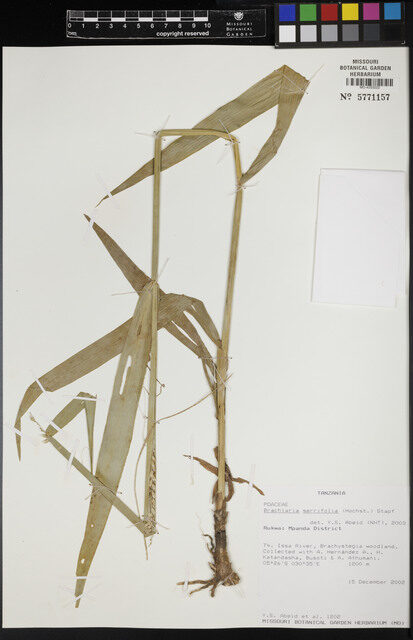
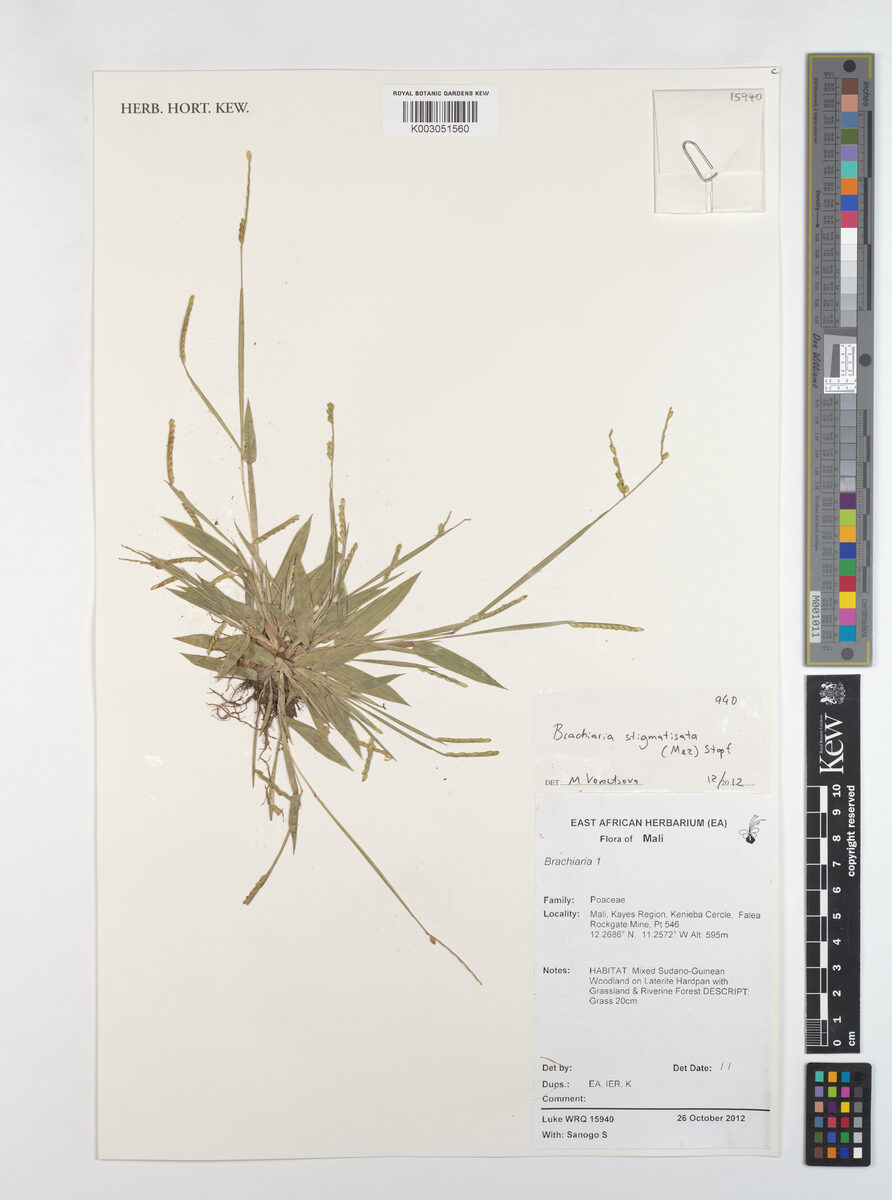
Eragrostis echinochloidea
Stapf
Tick grass
iNaturalist· cc-by-nc
(c) C. Mallory, some rights reserved (CC BY-NC), uploaded by C. Mallory
iNaturalist· cc-by
(c) Robert Taylor, some rights reserved (CC BY)
iNaturalist· cc-by
(c) Robert Taylor, some rights reserved (CC BY)
Summary
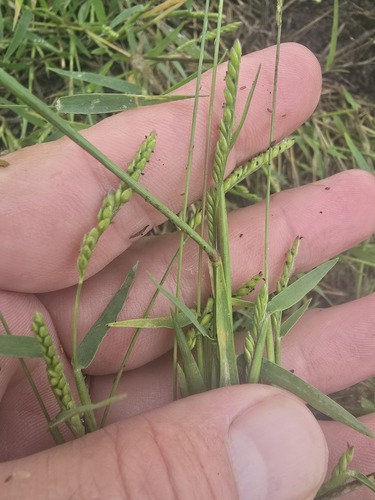
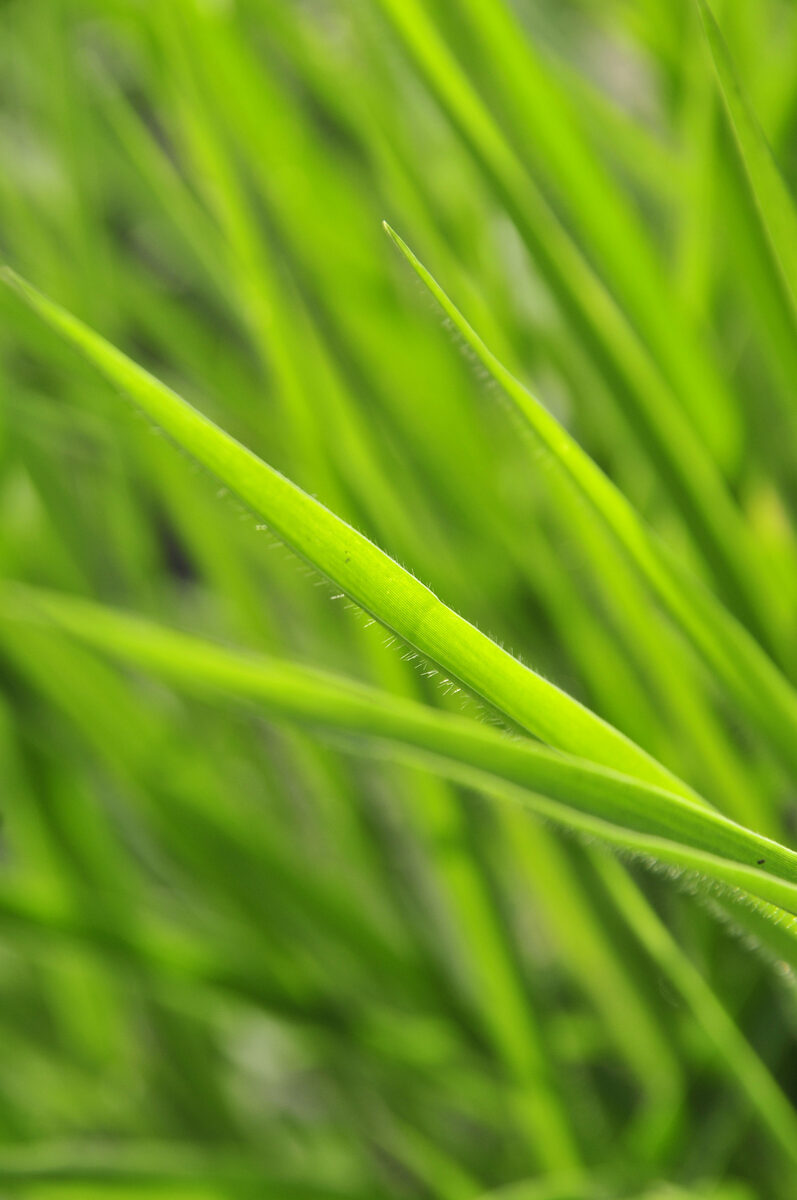
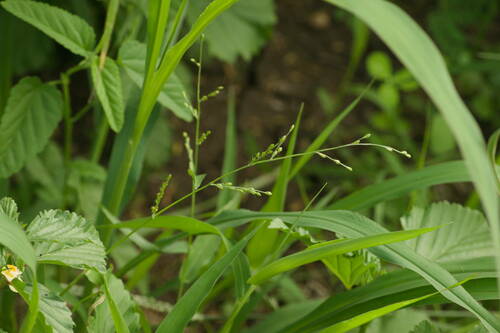
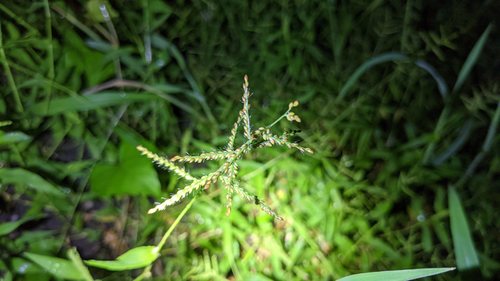
Source: WikipediaEragrostis echinochloidea, (English: African lovegrass; Afrikaans: Krummelgras, "crumb grass") is a species of grass native to South Africa (Limpopo. North West, and Northern Cape provinces). Listed as "safe" (LC) on the SANBI Red List, the plant can also be found in Zimbabwe, Botswana, and Namibia. African lovegrass is a perennial tussock that grows straight and knee-high. The leaves have tapered, papery sheaths and seed clusters sunken under the edges. The flower is a scarcely branched plume with closely packed spines on single branches. The spines are edible by humans and baboons. The drought tolerant species grows on disturbed veld and stony hillsides. In Deception Valley, one of the three dry riverbeds of the Central Kalahari Game Reserve in Botswana, the species prospers along with Enneapogon desvauxii and Sporoborus iocladus in the rainy season (from November to April/May).
Description
A herb. This grass lies along the ground. It forms tussocks. It can keep growing from year to year. It grows 90 cm high.
This description is brief — help expand it
Edible Uses
The spikelets and flower buds are edible.
Distribution
It is a subtropical plant. It grows in hot arid areas with a marked dry season. It grows in areas with an annual rainfall between 100-600 mm. It is often in soils over limestone materials. It can be in shallow and poorly drained soils. It grows between 500-2,000 m above sea level. It can tolerate drought. It can grow in arid places.
Where It Grows
Africa, Botswana, East Africa, Namibia, North America, South Africa, Southern Africa, USA, Zimbabwe,
Notes
It is a C4 plant.
References (6)
- Peters, C. R., O'Brien, E. M., and Drummond, R.B., 1992, Edible Wild plants of Sub-saharan Africa. Kew. p 22
- Peters & Maguire, 1981,
- Royal Botanic Gardens, Kew (1999). Survey of Economic Plants for Arid and Semi-Arid Lands (SEPASAL) database. Published on the Internet; http://www.rbgkew.org.uk/ceb/sepasal/internet [Accessed 3rd June 2011]
- Ruiters-Welcome, A. K., 2019, Food plants of southern Africa. Ph.D. thesis. Univ. of Johannesburg p 87
- Welcome, A. K. & Van Wyk, B.-E., 2019, An inventory and analysis of the food plants of southern Africa. South African Journal of Botany 122 (2019) 136–179
Show all 6 references Hide references
- World Checklist of Useful Plant Species 2020. Royal Botanic Gardens, Kew