Pennisetum polystachion
(L.) Schult.
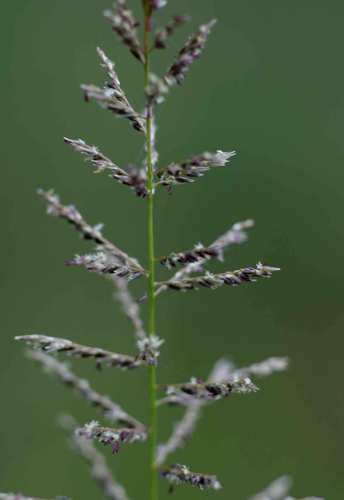
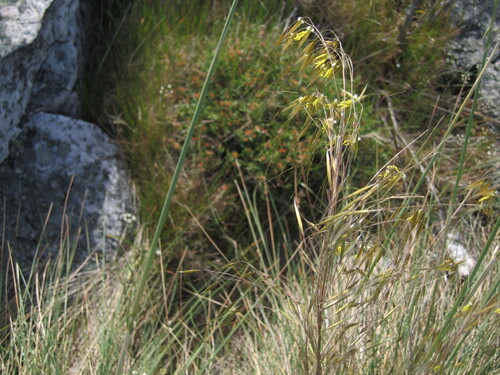
iNaturalist· cc-by-nc
(c) johnberlin, some rights reserved (CC BY-NC)
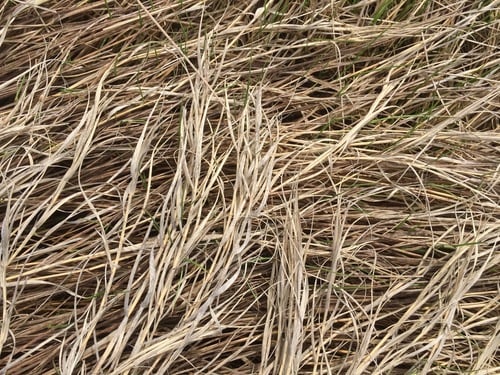
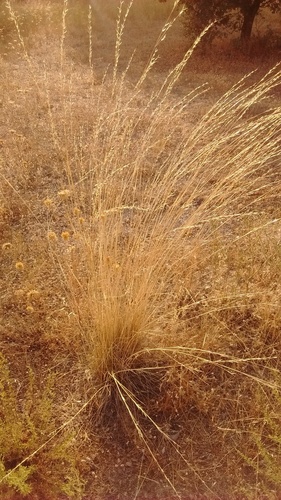
iNaturalist· cc-by-nc
(c) johnberlin, some rights reserved (CC BY-NC)
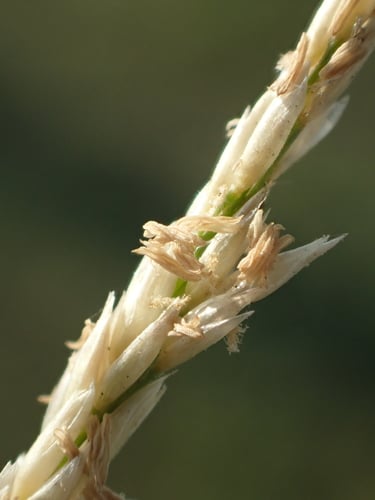
iNaturalist· cc-by-nc
(c) johnberlin, some rights reserved (CC BY-NC)
Description
An annual grass. It can live for a few years. The stalks are branched and 50-150 cm tall. The leaf blades are 10-20 cm long by 3-15 mm wide.
This description is brief — help expand it
Edible Uses
The seeds are pounded and eaten as a cereal grain.
Traditional Uses
The seeds are pounded and eaten.
This uses section is brief — help expand it
Distribution
A tropical plant. It grows in savannah woodlands.
Where It Grows
Africa, Asia, Benin, British Indian Ocean Terr., BIOT, Burkina Faso, Central Africa, China, East Africa, Fiji, Guiana, Guianas, Guinea, Guinée, Guinea-Bissau, Guyana, Indochina, Kiribati, Laos, Mozambique, Myanmar, Pacific, Rotuma, Sao Tome and Principe, SE Asia, South America, Suriname, Taiwan, Venezuela, West Africa,
Synonyms
Also Known As
Feeta, Karengia oruzak, Mambinro, Nipui, Sacawerou, Zancote
References (5)
- Bonou, A., et al, 2013, Valeur economique des Produits Forestiers Non Ligneux (PFNL) au Benin. Editions Universitaires Europeennes p 89
- Franklin, J., Keppel, G., & Whistler, W., 2008, The vegetation and flora of Lakeba, Nayau and Aiwa Islands, Central Lau Group, Fiji. Micronesica 40(1/2): 169–225, 2008
- Hedrick, U.P., 1919, (Ed.), Sturtevant's edible plants of the world. p 470 (As Pennisetum dasystachyum)
- Thaman, R. R., 1987, Plants of Kiribati: A listing and analysis of vernacular names. Atoll Research Bulletin No. 296
- Topp, J. M. W., 1988, An Annotated Check List of the Flora of Diego Garcia, British Ocean Territory. Atoll Research Bulletin No. 313 (Rare)