Dactyloctenium giganteum
Fisher & Schweick.
iNaturalist· cc0
no rights reserved, uploaded by Andrew Deacon
iNaturalist· cc-by-nc
(c) Riana Fourie, some rights reserved (CC BY-NC)
Description
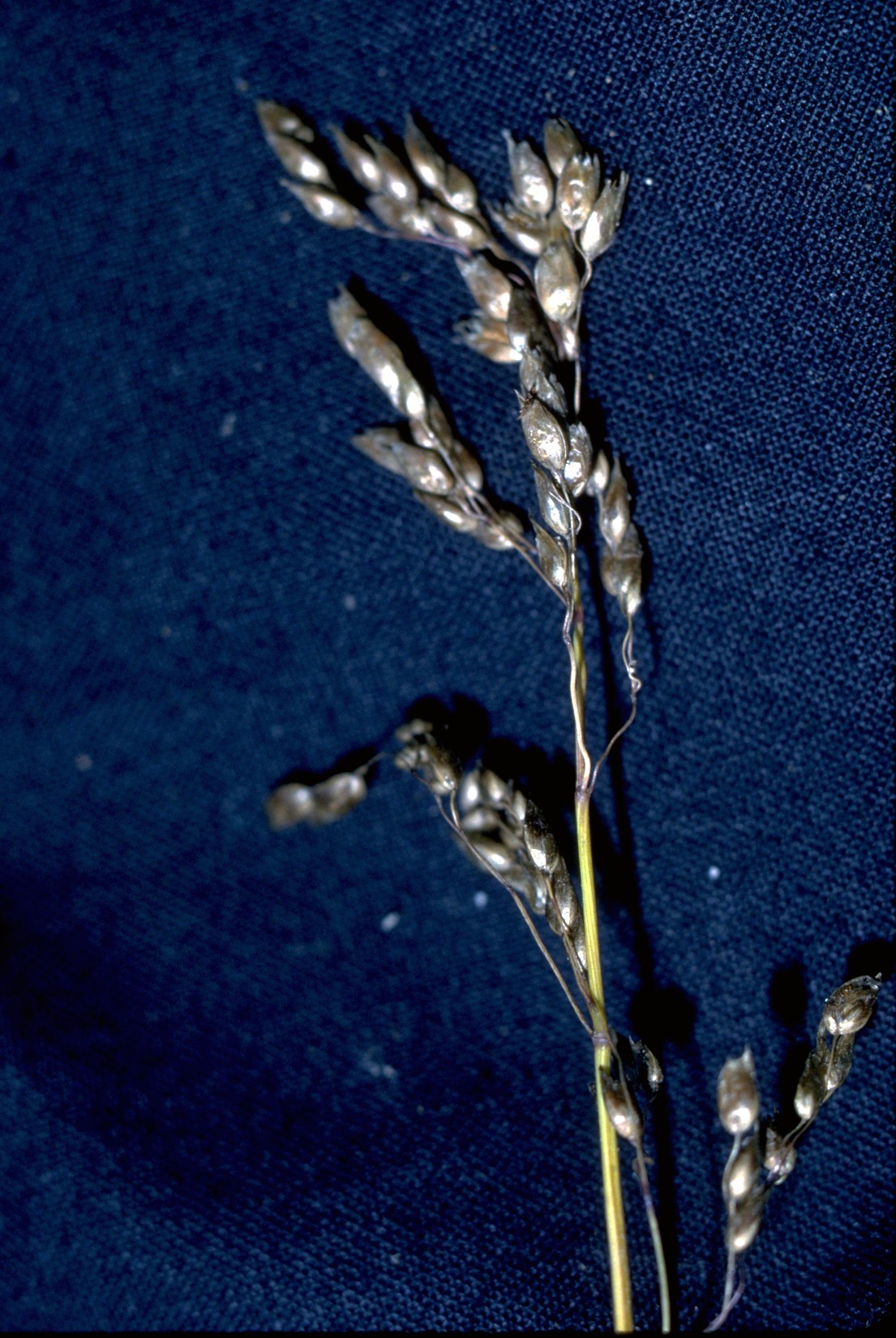
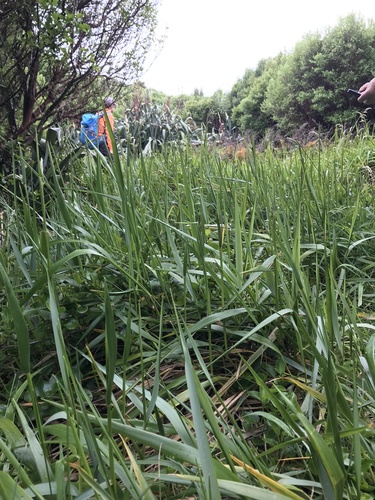
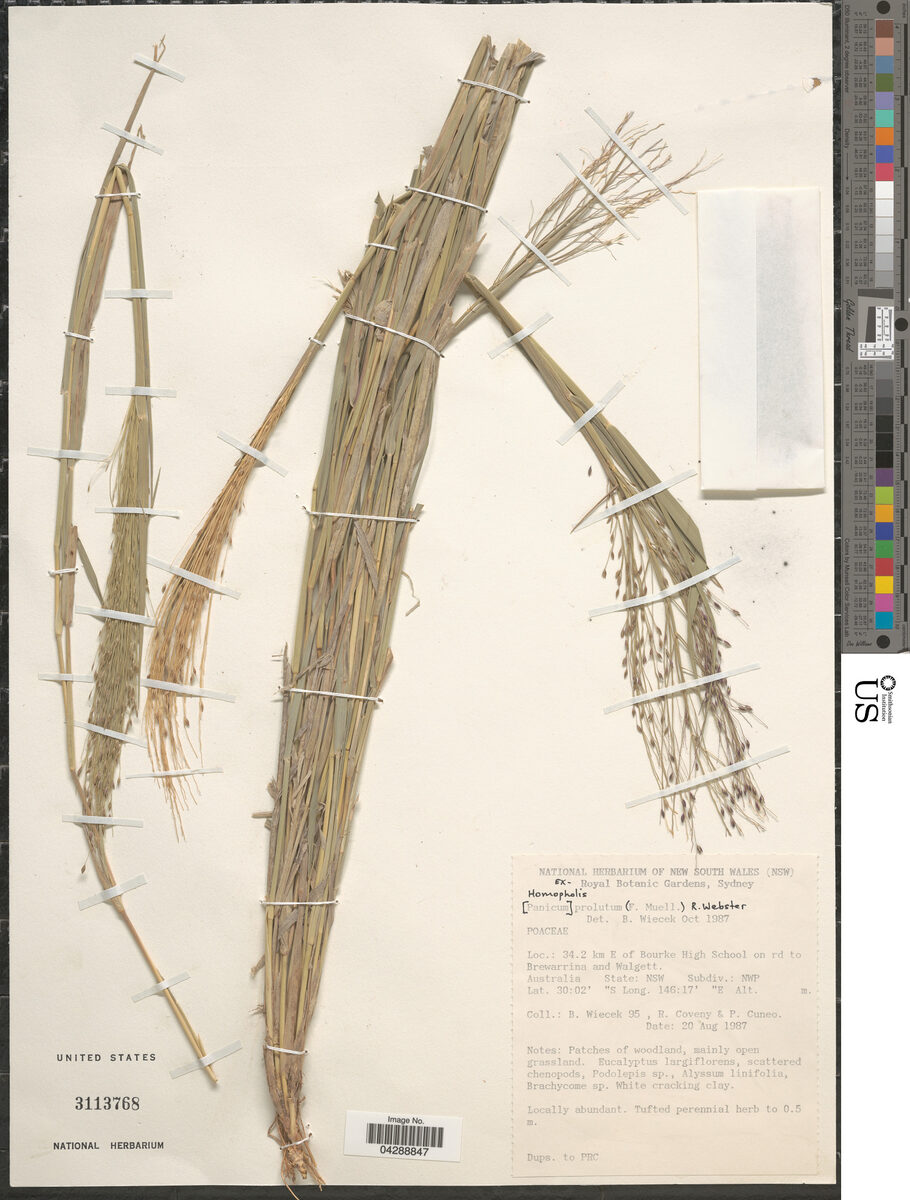
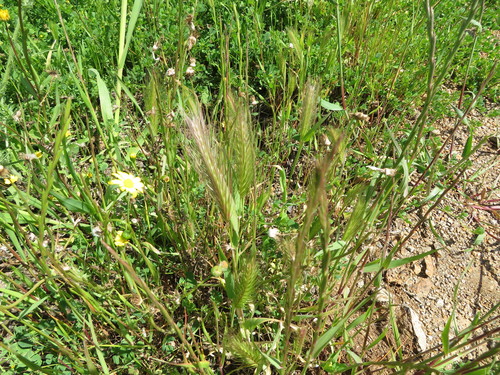
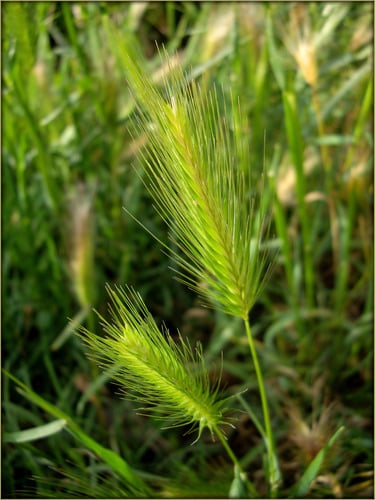
A grass. It can form tufts and lie along the ground. It has runners. It grows 1.6 m high. The flower has 5 stalks spreading out like spokes on a wheel and these dry out and twist.
Edible Uses
The seeds are lightly roasted, ground and made into porridge, or cooked with other vegetables. The grain is used as a cereal and serves as a famine food.
Traditional Uses
The seeds are lightly roasted, ground and made into porridge. They are also cooked with other vegetables.
This uses section is brief — help expand it
Distribution
It is a tropical plant. It grows in hot arid places. It grows in areas with an annual rainfall above 450 mm. It grows in alluvial sandy soils. It is rare in Swaziland. In Kenya it grows between 200-2,000 m altitude and between 10-1,100 m in Southern Africa. It can grow in shade. It can grow in arid places.
Where It Grows
Africa, Angola, Botswana, Central Africa, East Africa, Eswatini, Kenya, Malawi, Mozambique, Namibia, South Africa, Southern Africa, Swaziland, Tanzania, Zambia, Zimbabwe,
Cultivation
Plants can be grown from seeds.
Other Uses
The plant is grown on denuded sandy soils to protect it from erosion, as well as to help restore fertility and structure.
Production
Seeds are collected during the dry season.
Other Information
It is a famine food.
Notes
It is a C4 plant.
Also Known As
Brewnda, Chimbue, Rathathe, Ukuku
References (15)
- Grivetti, L. E., 1980, Agricultural development: present and potential role of edible wild plants. Part 2: Sub-Saharan Africa, Report to the Department of State Agency for International Development. p 73
- Maundu, P. et al, 1999, Traditional Food Plants of Kenya. National Museum of Kenya. 288p
- Mutie, F. G., 2020, Conservation of Wild Food Plants and Their Potential for Combatting Food Insecurity in Kenya as Exemplified by the Drylands of Kitui County. Plants 2020, 9, 1017
- Mutie, F. M., et al, 2023, Important Medicinal and Food Taxa (Orders and Families) in Kenya, Based on Three Quantitative Approaches. Plants 2023, 12, 1145
- Newman, 1970,
Show all 15 references Hide references
- Peters, C. R., O'Brien, E. M., and Drummond, R.B., 1992, Edible Wild plants of Sub-saharan Africa. Kew. p 20
- Pickering, H., & Roe, E., 2009, Wild Flowers of the Victoria Falls Area. Helen Pickering, London. p 95
- Royal Botanic Gardens, Kew (1999). Survey of Economic Plants for Arid and Semi-Arid Lands (SEPASAL) database. Published on the Internet; http://www.rbgkew.org.uk/ceb/sepasal/internet [Accessed 8th May 2011]
- Ruffo, C. K., Birnie, A. & Tengnas, B., 2002, Edible Wild Plants of Tanzania. RELMA p 254
- Ruiters-Welcome, A. K., 2019, Food plants of southern Africa. Ph.D. thesis. Univ. of Johannesburg p 87
- Scudder, 1971,
- Swaziland's Flora Database http://www.sntc.org.sz/flora
- Welcome, A. K. & Van Wyk, B.-E., 2019, An inventory and analysis of the food plants of southern Africa. South African Journal of Botany 122 (2019) 136–179
- Wild, 1975,
- World Checklist of Useful Plant Species 2020. Royal Botanic Gardens, Kew