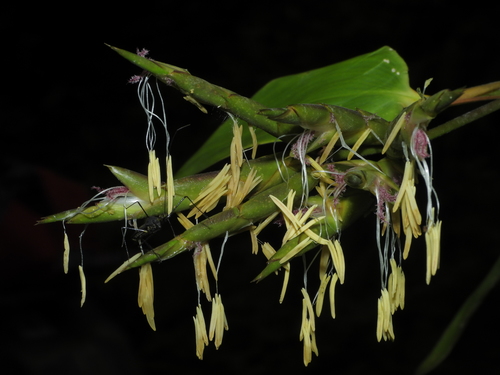
Brachiaria dura
Stapf.
Poaceae Edible: Seeds, Cereal, Grains
fodder
gbif· cc0
President and Fellows of Harvard College
Description
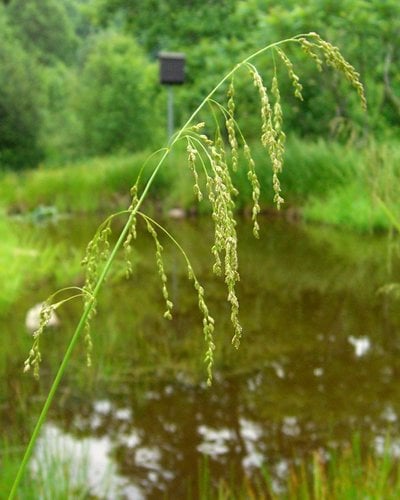
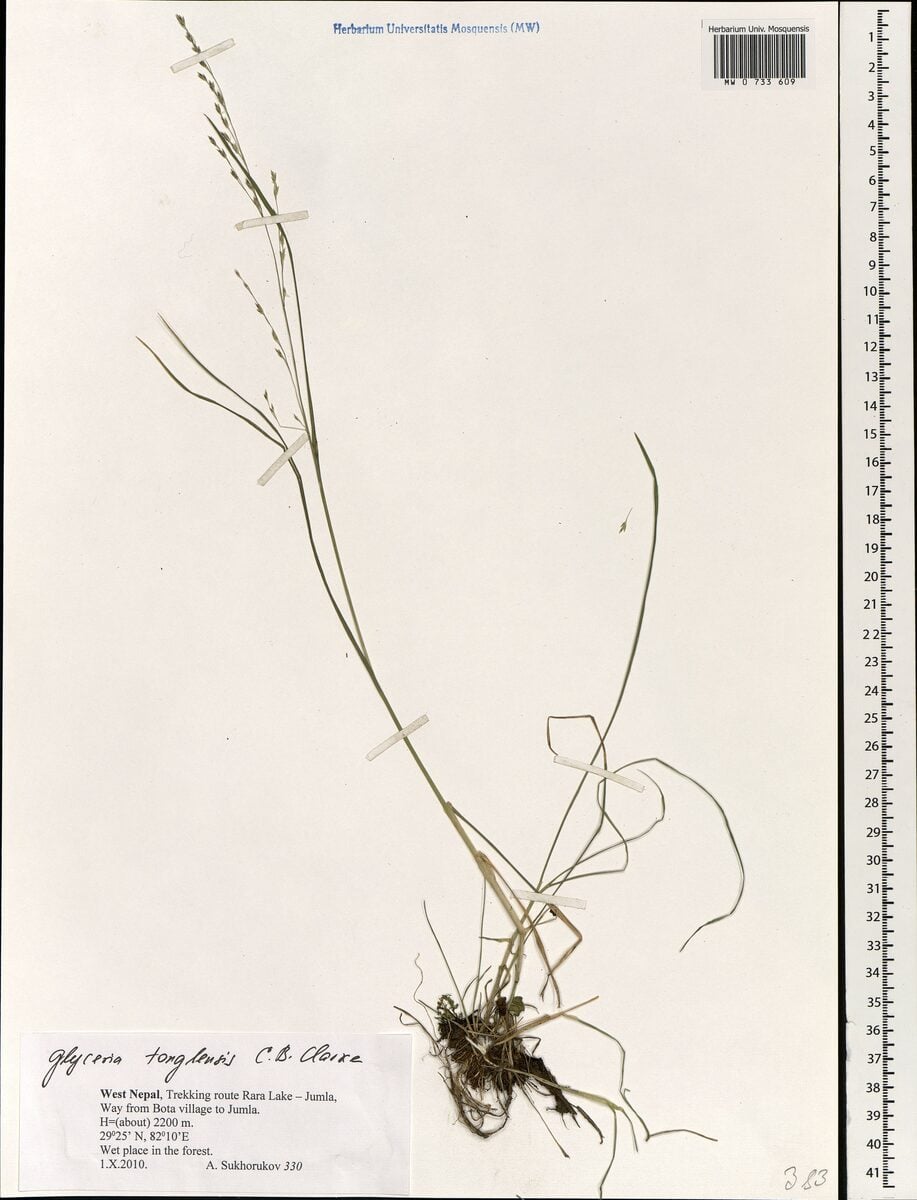
A densely tufted grass. The stalks are 40-100 cm high. The leaf blades are 1-2 mm wide. They roll inwards. The flowers are 4-15 cm long. The spikelets are in a single row.
Edible Uses
The seeds are eaten as cereal grains.
Distribution
It is a tropical and subtropical plant. It grows in savanna woodland and on sandy soils. It grows at between 200-1,300 m above sea level. It can tolerate shade. It grows in areas with an annual rainfall above 450 mm. It can grow in arid places.
Where It Grows
Africa, Angola, Botswana, Central Africa, East Africa, Guinea, Guinée, Namibia, South Africa, Southern Africa, West Africa, Zambia, Zimbabwe,
Synonyms
Urochloa dura (Stapf) A. M. Torres & C. M. Mortonand others
Also Known As
Nkomwe
References (6)
- Flora Zambesiaca. http://apps.kew.org/efloras
- Fowler, D. G., 2007, Zambian Plants: Their Vernacular Names and Uses. Kew. p 69
- Peters, C. R., O'Brien, E. M., and Drummond, R.B., 1992, Edible Wild plants of Sub-saharan Africa. Kew. p 19
- Royal Botanic Gardens, Kew (1999). Survey of Economic Plants for Arid and Semi-Arid Lands (SEPASAL) database. Published on the Internet; http://www.rbgkew.org.uk/ceb/sepasal/internet [Accessed 8th May 2011]
- Verboom, W. C., 1971,
Show all 6 references Hide references
- World Checklist of Useful Plant Species 2020. Royal Botanic Gardens, Kew (As Urochloa dura)