Thyrsostachys oliveri
Gamble
Thanawa
wikimedia· cc-by-sa
Sajetpa at Malayalam Wikipedia (via Wikimedia Commons)
gbif· cc-by
Royal Botanic Gardens, Kew
Summary
Source: WikipediaThyrsostachys oliveri is a species of edible-seeded bamboo from Yunnan, Myanmar, Laos and Thailand; and also naturalised in Assam and Bangladesh. As a moderately large species of bamboo with tall and straight culms has also been a local source of material for construction in some southeast Asian regions.
Description
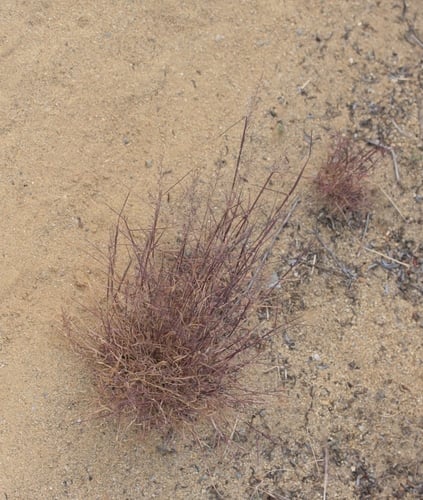
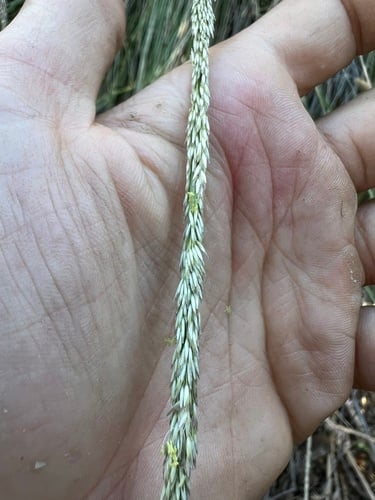
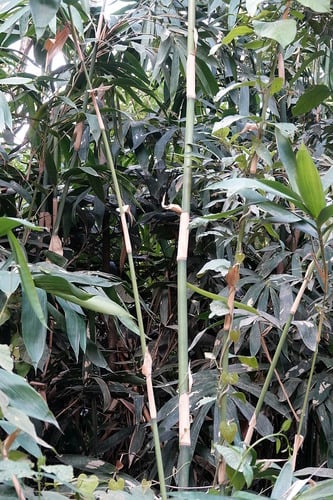
A bamboo. It is densely tufted. The stem is erect and 25 m tall. It is 5 cm across. The internodes are 30-60 cm long. The flowers are on a short leafless branch.
Edible Uses
Both the seeds and shoots are eaten.
Traditional Uses
The seeds are eaten.
This uses section is brief — help expand it
Distribution
It is a tropical plant. It grows in moist hill forest. In southern China it grows in open areas between 500-700 m above sea level. In Yunnan.
Where It Grows
Asia, China, India, Indochina, Laos, Myanmar, SE Asia, Thailand,
Cultivation
Bamboos have an interesting method of growth. Each plant produces a number of new stems annually - these stems grow to their maximum height in their first year of growth, subsequent growth in the stem being limited to the production of new side branches and leaves. In the case of some mature tropical species the new stem could be as much as 30 metres tall, with daily increases in height of 30cm or more during their peak growth time. This makes them some of the fastest-growing species in the world. Bamboos in general are usually monocarpic, living for many years before flowering, then flowering and seeding profusely for a period of 1 - 3 years before usually dying.
Propagation
Seed - when stored at room temperature, the seeds gradually lose viability over a period of 12 - 18 months. In cool storage at 2 - 4°c, good viability is retained for at least two years. The seed is best sown fresh, when it germinates within days, with 90 - 95% of the seeds sprouting. Rhizome cuttings. The cuttings are taken from 1-year-old culms and comprise a length of rhizome with roots plus a culm that can be up to 1 metre long. This is planted in a nursery for 2 - 3 months and then transplanted to the field in the rainy season. In general, 10 rhizome cuttings can be taken from a 5 - 6-year-old clump, retaining 4 - 5 one-year-old culms in the clump.
Other Uses
An excellent bamboo for construction purposes, the culms are also used for reinforcing concrete blocks, basketry, handicrafts, broom handles etc.
Also Known As
Maitong, Phai raakdam, Phai ruak yai, Thanawa
References (5)
- Ambasta, S.P. (Ed.), 2000, The Useful Plants of India. CSIR India. p 638
- Anderson, E. F., 1993, Plants and people of the Golden Triangle. Dioscorides Press. p 223
- Dobriyal, M. J. R. & Dobriyal, R., 2014, Non Wood Forest Produce an Option for Ethnic Food and Nutritional Security in India. Int. J. of Usuf. Mngt. 15(1):17-37
- PROSEA No. 7
- Yang, Y., et al, A review of bamboo resources in Yunnan, China www.bioversityinternational.org