Zantedeschia albomaculata
(Hook.) Baill.
Arrow-leaved arum lily, Spotted calla lily
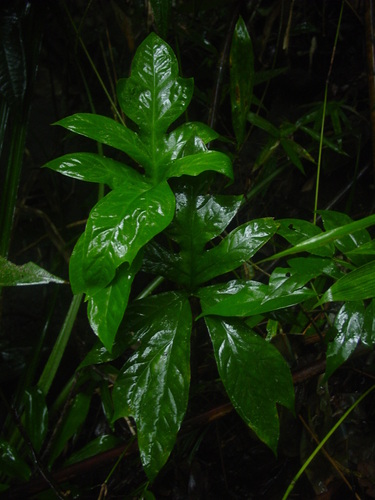
iNaturalist· cc-by-nc
(c) Francois du Randt, some rights reserved (CC BY-NC)
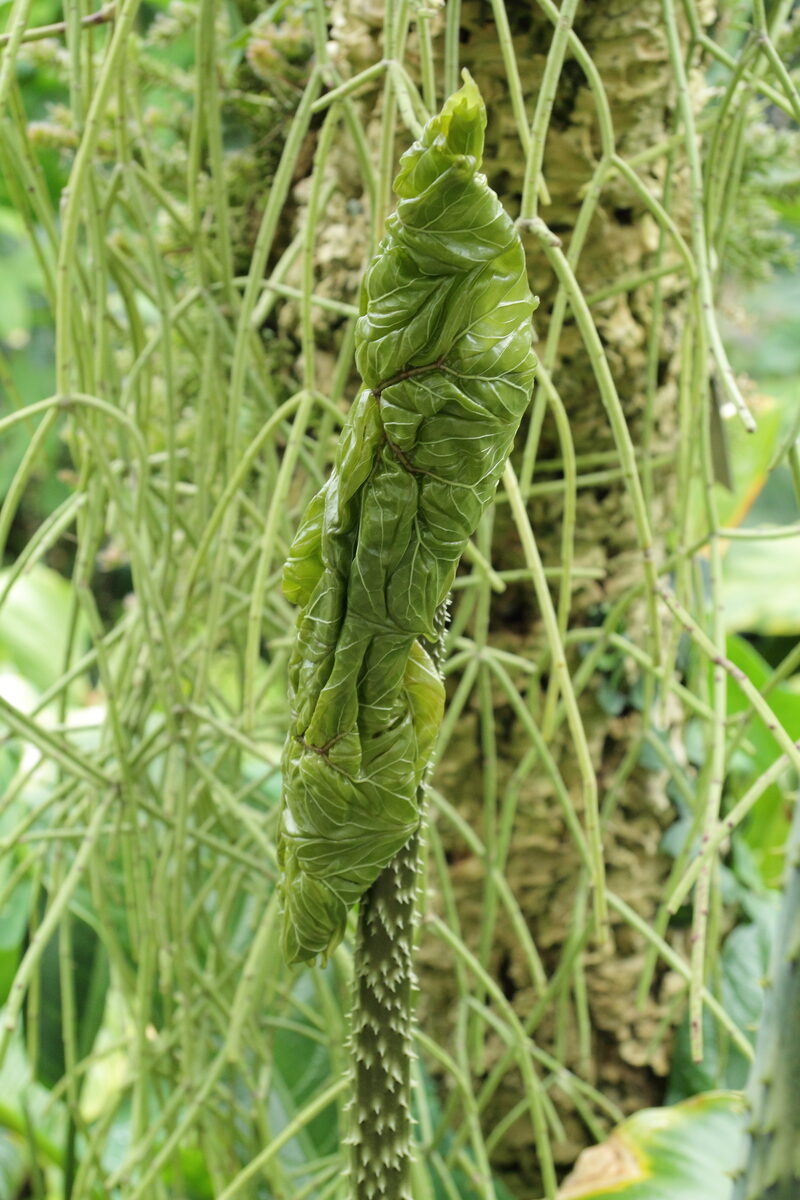
iNaturalist· cc-by-nc
(c) Francois du Randt, some rights reserved (CC BY-NC)
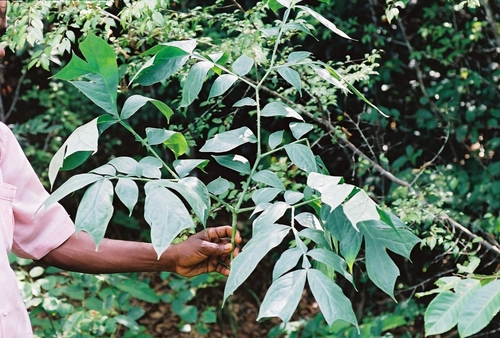
iNaturalist· cc-by-nc
(c) migsgreenworld, some rights reserved (CC BY-NC)
Summary
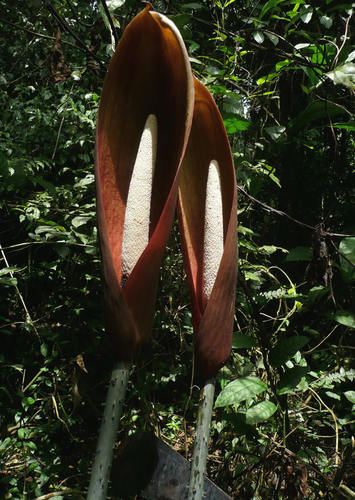
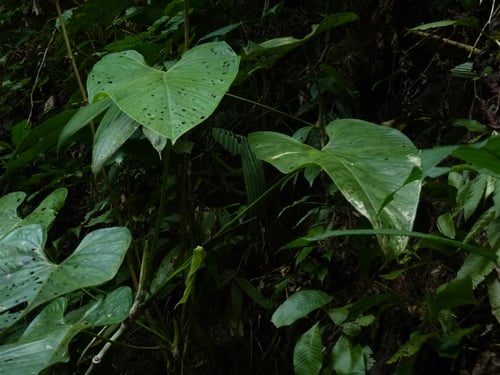
Source: WikipediaZantedeschia albomaculata, commonly called the spotted calla lily (although Calla is a genus unto itself) or the white spotted arum, is a species of flowering plant in the arum family, Araceae. Its leaves are somewhat smaller, thinner and slightly more pointed than the larger Zantedeschia aethiopica—also commonly called the "calla lily"—and display attractive white speckling on their faces. The plant spreads laterally underground by way of a rhizome or tuber, with nodes (or "eyes") that sprout and send-up new shoots. Its inflorescence is typical of the Araceae family, featuring a white, funnel-shaped spathe (or bract) with a yellowish spadix in the center. In modern cultivation, numerous color variations have been developed, ranging from white with splashes of other colors to bright yellow through to deep purple, almost black, spathes. Various forms are commonly sold in stores and garden centers, both as potted plants or as bare-root rhizomes to be planted outdoors.
Description
A herb. It grows from a rhizome. The leaves are large and arrow shaped. The leaves do not have transparent blotches but they can be speckled with white spots. The spathes around the flower are yellow to white and 15 cm long.
Edible Uses
The young leaves are eaten as a leafy vegetable.
Traditional Uses
The young leaves are eaten. Caution: Leaves usually contain oxalates and these may need to be removed by changing cooking water.
This uses section is brief — help expand it
Known Hazards
Leaves usually contain oxalates and these may need to be removed by changing the cooking water multiple times.
Distribution
It is a tropical plant. It can grow in boggy soil.
Where It Grows
Africa, Asia, Central Africa, Congo, East Africa, Eswatini, India, Slovenia, South Africa*, Southern Africa, Swaziland, Zambia, Zimbabwe,
Synonyms
Also Known As
Belopikasti škrnicelj, Intebe, Kleinvarkblom, Mohalalitoe, Tshihwilili
References (12)
- Fox, F. W. & Young, M. E. N., 1982, Food from the Veld. Delta Books. p 96
- Gillarmod, J., 1966,
- https://growwild.co.za Edible Indigenous plants
- http://www.botanic-gardens-ljubljana.com/en/plants
- Long, C., 2005, Swaziland's Flora - siSwati names and Uses http://www.sntc.org.sz/flora/
Show all 12 references Hide references
- Malaisse, F., 1997, Se nourrir en floret claire africaine. Approche ecologique et nutritionnelle. CTA., p 91.
- Peters, C. R., O'Brien, E. M., and Drummond, R.B., 1992, Edible Wild plants of Sub-saharan Africa. Kew. p 12
- Ruiters-Welcome, A. K., 2019, Food plants of southern Africa. Ph.D. thesis. Univ. of Johannesburg p 28
- Swaziland's Flora Database http://www.sntc.org.sz/flora
- Vinnicombe, 1976,
- Welcome, A. K. & Van Wyk, B.-E., 2019, An inventory and analysis of the food plants of southern Africa. South African Journal of Botany 122 (2019) 136–179
- World Checklist of Useful Plant Species 2020. Royal Botanic Gardens, Kew