Rhaphidophora pertusa
(Roxb.) Schott
Khatimo
iNaturalist· cc-by-nc
(c) sinoinat, some rights reserved (CC BY-NC)
iNaturalist· cc-by
(c) renjus box, some rights reserved (CC BY)
Summary
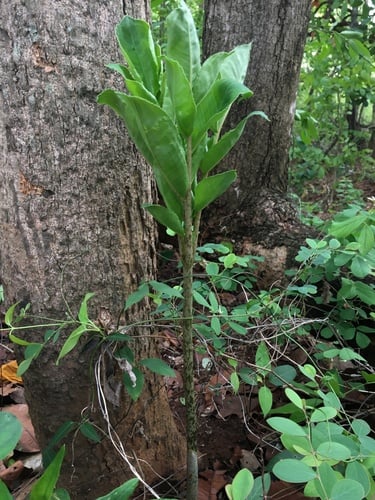
Source: WikipediaRhaphidophora pertusa is a climbing species of aroid plant within the genus Rhaphidophora of the Araceae family. The species—which, superficially, is quite similar to R. tetrasperma—is found on the Andaman-Nicobar Islands and the Maldives, as well as in Bangladesh, India, Myanmar, Thailand and Sri Lanka. In 2022 and 2023, the species became somewhat more readily available on the international houseplant market, leading to some confusion among newer plant collectors and gardeners; at first glance, R. pertusa resembles the so-called ‘Mini Monstera’, which is technically R. tetrasperma, causing some bloggers and plant vendors to nickname the species the ‘Perforated Philodendron’ (another misnomer). By comparison, R. tetrasperma is somewhat smaller in size, with leaves growing to around the size of an adult human’s hand; R. pertusa is larger-leaved and has a thicker stem, and is known to fenestrate (form leaf holes splits) at a slightly later stage than the latter, more common species, and will often unfurl new leaves without holes before gradually forming fenestrations on later leaves.
Description
A climbing herb from the Araceae (taro) family found in tropical regions.
This description is brief — help expand it
Edible Uses
The fruit is edible.
Distribution
A tropical plant.
Where It Grows
Andamans, Asia, Bangladesh, India,
Notes
There are about 100 Rhaphidophora species.
Also Known As
Tusafido
References (2)
- Awasthi, A.K., 1991, Ethnobotanical studies of the Negrito Islanders of Andaman Islands, India - The Great Andamanese. Economic Botany 45(2) pp274-280
- Pasha, M. K. & Uddin, S. B., 2019, Minor Edible Fruits of Bangladesh. Bangladesh J. Plant Taxon. 26(2): 299–313