Urtica ferox
G. Forst.
Ongaonga, Tree nettle
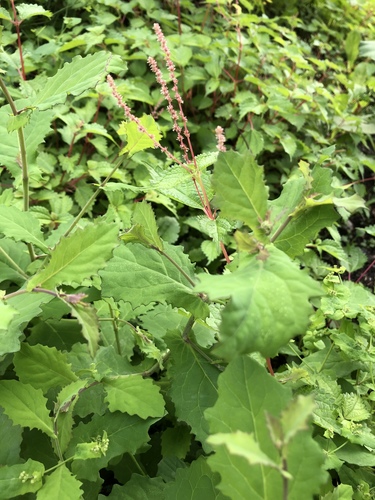
iNaturalist· cc-by
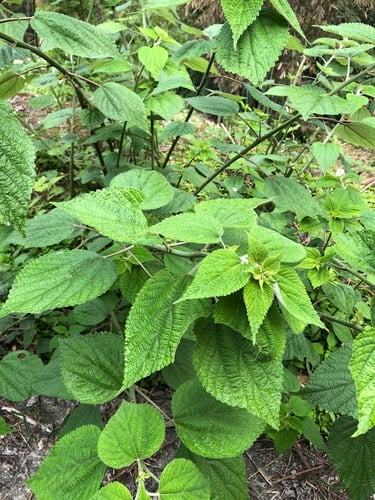
(c) Steve Kerr, some rights reserved (CC BY)
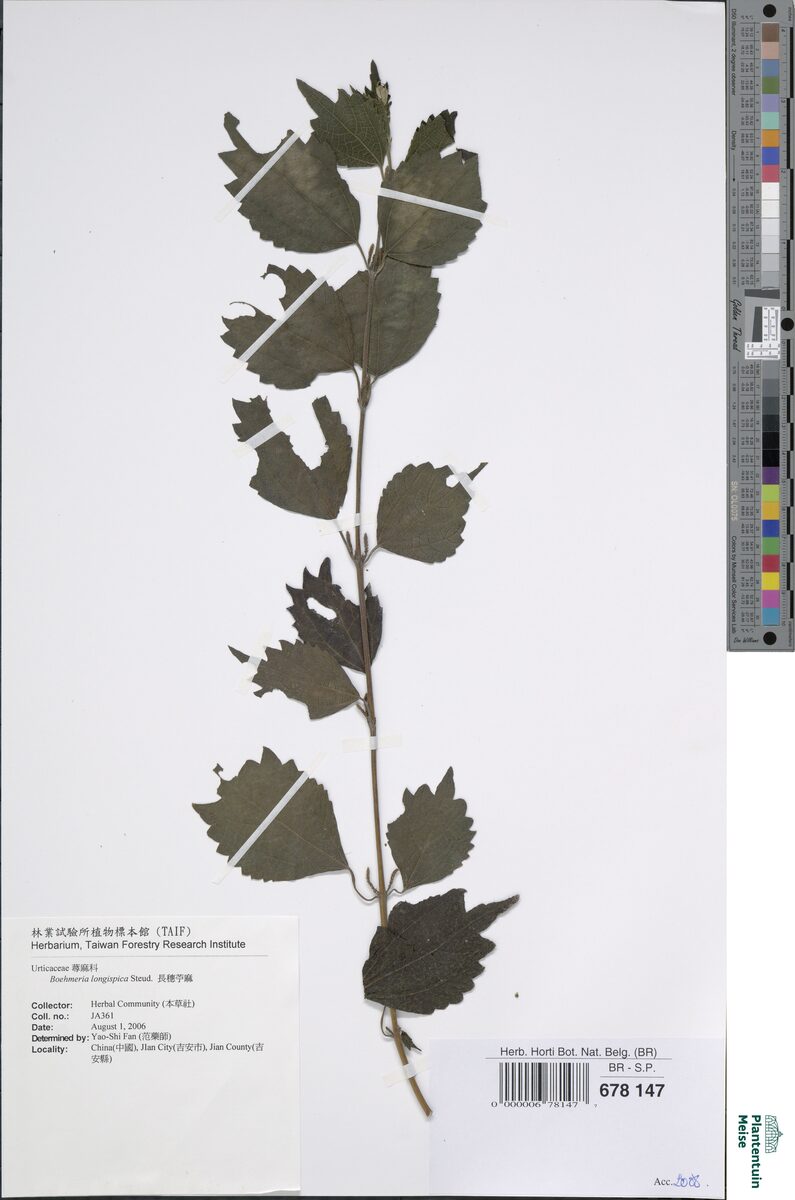
iNaturalist· cc-by-nc
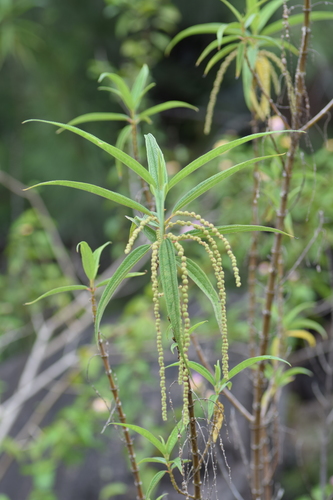
(c) ivan_lin, some rights reserved (CC BY-NC)
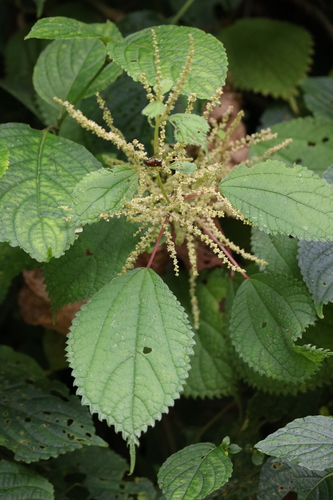
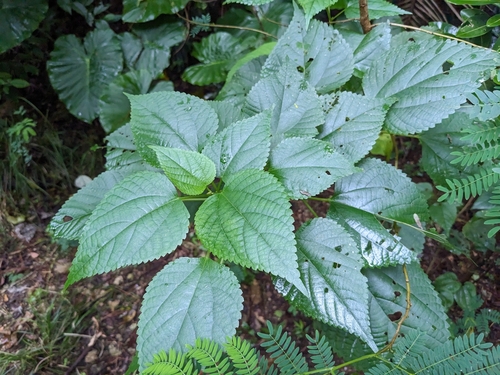
iNaturalist· cc-by-nc
(c) ivan_lin, some rights reserved (CC BY-NC)
Summary
Source: WikipediaUrtica ferox, commonly known as tree nettle and ongaonga, is a species of nettle endemic to New Zealand. A member of the Urticaceae, U. ferox is covered in spines or trichomes, which contain numerous toxins that are poisonous to humans. U. ferox is a large woody shrub that can grow to a height of 3 metres (10 feet), with the base of the stem reaching 12 cm (5 in) in thickness. Its large spines can result in a painful sting that can last several days or weeks, and even has resulted in one recorded human death. U. ferox is found throughout New Zealand. The plant was first described by German naturalist Georg Forster in 1786. U. ferox is pollinated by the wind, and its seeds are later dispersed by gravity or the wind. Several butterfly and moth species can be hosted on the plant, and it is the favoured source of food for the larvae of the New Zealand red admiral (Vanessa gonerilla) butterfly. U. ferox is a plant usually avoided by people, but it did have some traditional and medicinal uses for the indigenous Māori people. U. ferox's 2023 assessment in the New Zealand Threat Classification System was "Not Threatened".
Description
A shrub. It grows 3 m tall. The stem can be 12 cm across. The leaves are pale green. There are stinging hairs on the leaves and stems.
This description is brief — help expand it
Edible Uses
The leaves are edible and used medicinally.
Traditional Uses
Caution: The leaves sting until cooked.
This uses section is brief — help expand it
Medicinal Uses
Urtica ferox is a plant usually avoided by people, but it did have some traditional and medicinal uses for the indigenous Māori people. In Māori mythology, the plant was placed in forests to prevent people moving freely and to irritate people. The Polynesian explorer, Kupe, was said to have placed several obstacles, including this plant, to hinder pursuers whose wives he had stolen. In traditional medicinal practices, the bark of U. ferox and the leaves of kawakawa (Piper excelsum), boiled together, were used to treat skin conditions. The plant was also a traditional Māori food source. The inner stems were sometimes consumed after the leaves and outer bark had been removed. The thin film that makes up the inner bark was also eaten raw and is said to have a sweet taste.
Known Hazards
The leaves sting until cooked.
Distribution
It is a temperate plant.
Where It Grows
New Zealand,
References (2)
- Crowe, A., 1997, A Field Guide to the Native Edible Plants of New Zealand. Penguin. p 155
- Fl. ins. austr. 66. 1786