Pennantia corymbosa
J. R. Forst. & G. Forst.
Kaikomako
iNaturalist· cc-by
(c) Jon Sullivan, some rights reserved (CC BY)
iNaturalist· cc-by-nc
(c) Jon Sullivan, some rights reserved (CC BY-NC)
iNaturalist· cc-by-nc
(c) Jon Sullivan, some rights reserved (CC BY-NC)
Summary
Source: WikipediaPennantia corymbosa, commonly known as kaikomako (from the Māori kaikōmako), is a small dioecious tree endemic to New Zealand. Small, creamy flowers are produced between November and February, followed by a shiny black fruit in autumn. They are a favourite food of the New Zealand bellbird. The Māori name kaikōmako means food (kai) of the bellbird (kōmako). Traditionally, Māori used the tree to make fire by repeatedly rubbing a pointed stick into a groove on a piece of māhoe. An English name is "duck's foot", coming from the shape of the juvenile plant's leaf. Juvenile plants have small leaves with tangled, divaricating stems, while mature plants have much larger leaves and a normal tree architecture.
Description
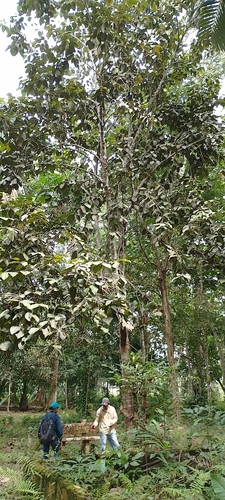
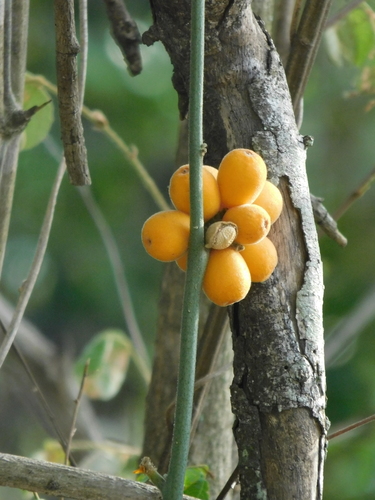
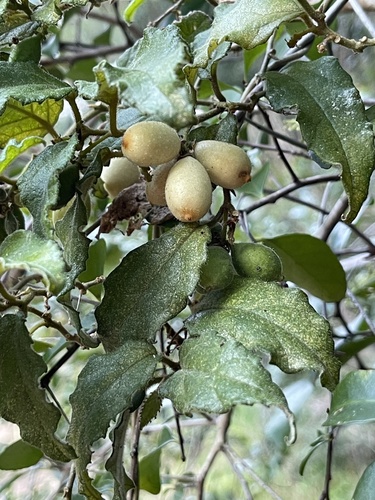
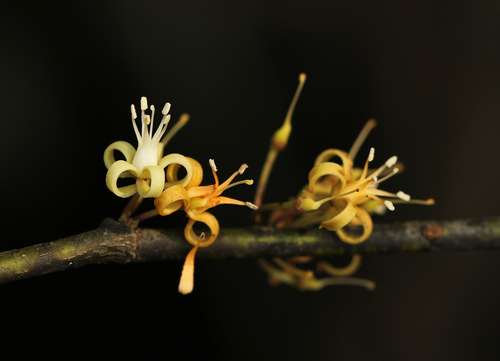
A small tree. The flowers are small and creamy white. The fruit are shiny and black.
This description is brief — help expand it
Edible Uses
The fruit is edible.
Distribution
It is a temperate plant.
Where It Grows
New Zealand,
References (2)
- Char. gen. pl. 134, t. 67. 1775 (& 2nd ed. 1776)
- Crowe, A., 1997, A Field Guide to the Native Edible Plants of New Zealand. Penguin. p 154