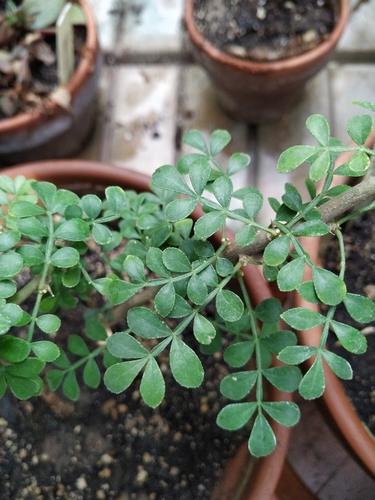
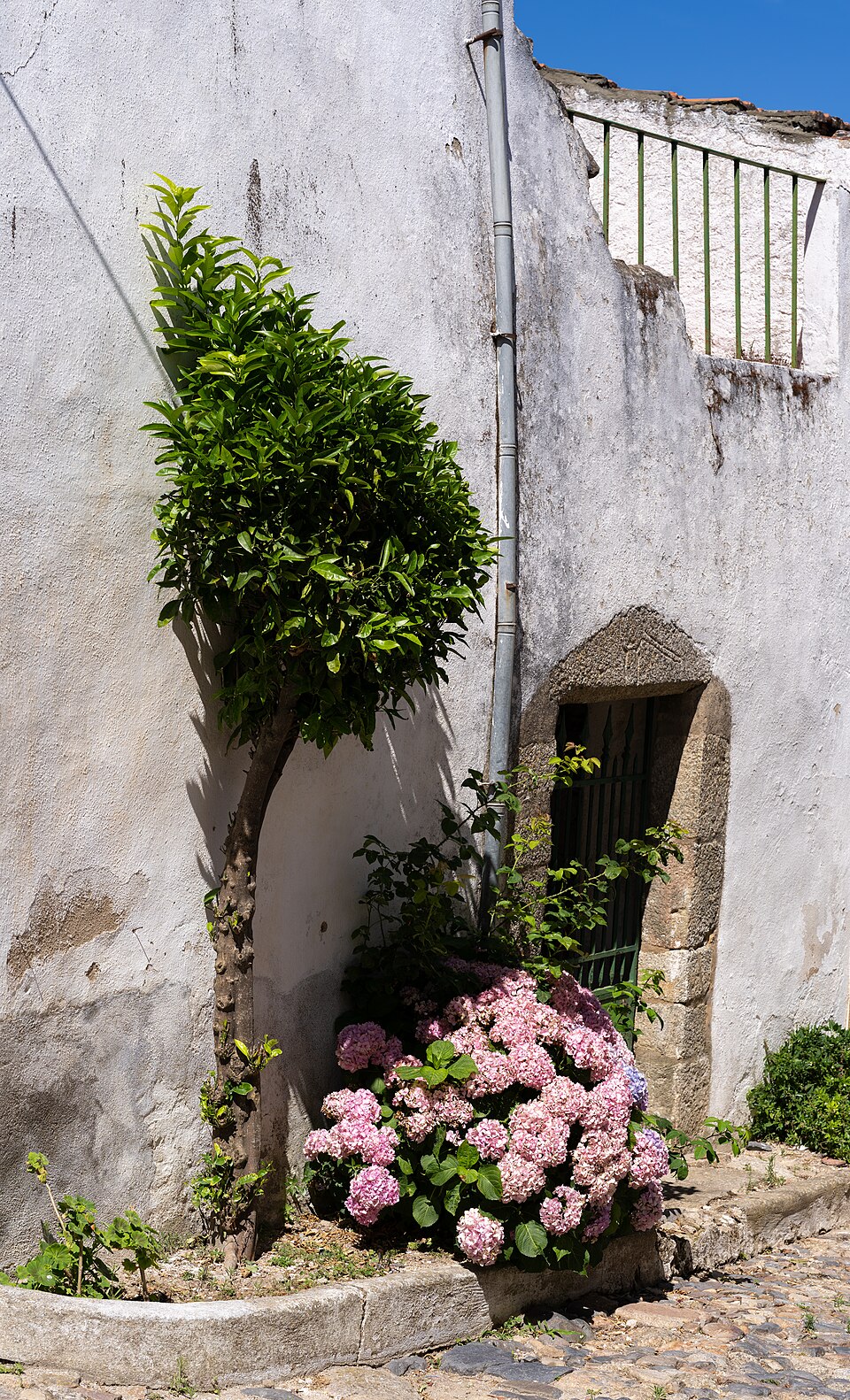
Citrus medica var. sarcodactylis
(Hoola van Nooten) Swingle
Buddha's hand citron
iNaturalist· cc-by-sa
(c) Johann Werfring, some rights reserved (CC BY-SA)
iNaturalist· cc-by
(c) Thomas Mesaglio, some rights reserved (CC BY)
Description
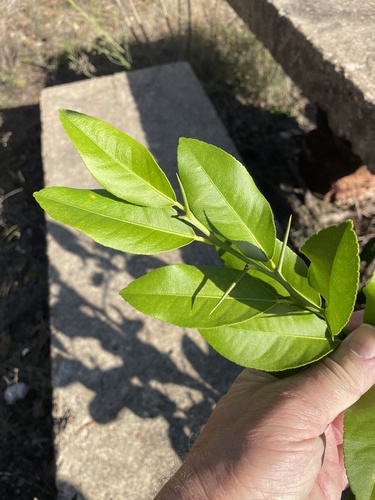
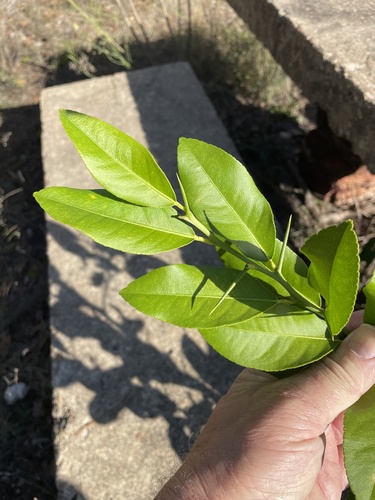
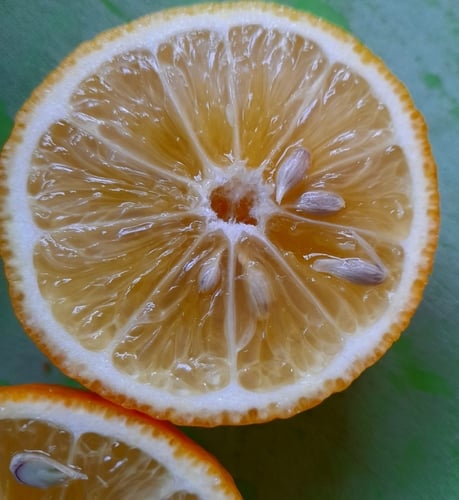
An evergreen shrub. It grows about 2.5 m tall. It has sharp thorns 2-3 cm long. The leaves are simple. They are 7-17 cm long. The leaf stalk is short and with small wings. The flowers are white with purple buds. They grow in the axils of leaves and near the ends of branches. The fruit are divided into finger like segments. They do not have many seeds.
Edible Uses
The fruit peel is crystallized and candied. The flowers and peel are also edible.
Traditional Uses
The skin of the fruit are crystallized and candied.
This uses section is brief — help expand it
Distribution
It can tolerate a temperature down to 3-5°C. Brisbane Botanical Gardens. In Yunnan.
Where It Grows
Asia, Australia, Brazil, China, Hawaii, India*, Indochina, Laos, Pacific, SE Asia, South America, USA,
Cultivation
Plants can be grown from seed or grafting.
Synonyms
Also Known As
Cidra-mao-de-buda, Mao-de-buda
References (7)
- Brown, D., 2002, The Royal Horticultural Society encyclopedia of Herbs and their uses. DK Books. p 172
- Liu, Yi-tao, & Long, Chun-Lin, 2002, Studies on Edible Flowers Consumed by Ethnic Groups in Yunnan. Acta Botanica Yunnanica. 24(1):41-56 (As Citrus sarcodactylis)
- Lorenzi, H., Bacher, L., Lacerda, M. & Sartori, S., 2006, Brazilian Fruits & Cultivated Exotics. Sao Paulo, Instituto Plantarum de Estuados da Flora Ltda. p 547
- C. S. Sargent, Pl. wilson. 2:141. 1914
- Seidemann J., 2005, World Spice Plants. Economic Usage, Botany, Taxonomy. Springer. p 107
Show all 7 references Hide references
- Staples, G.W. and Herbst, D.R., 2005, A tropical Garden Flora. Bishop Museum Press, Honolulu, Hawaii. p 505
- Wiersema, J. H. & Leon, B., 2013, World Economic Plants. A Standard Reference CRC Press. 2nd Ed. p 181