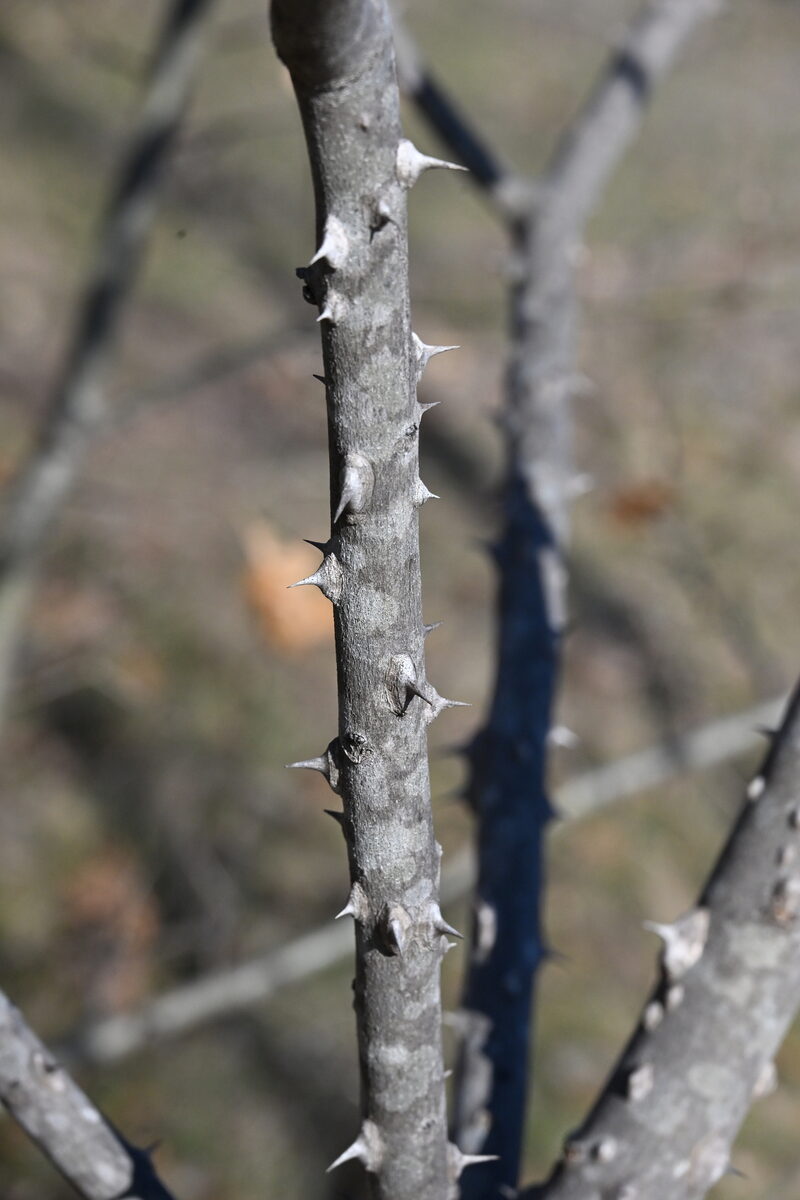
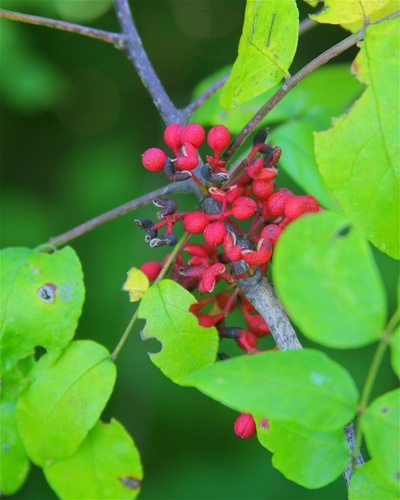
Pilocarpus pennatifolius
Lem.
Pinnate pilocarpus
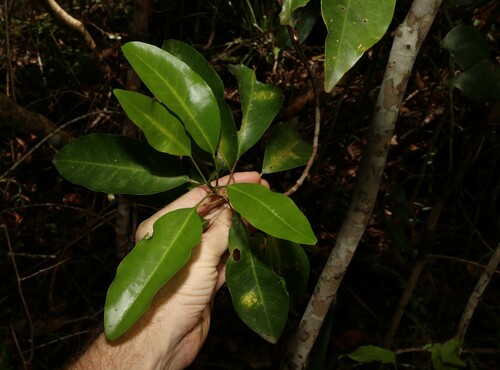
iNaturalist· cc-by-nc
(c) Douglas Meyer, some rights reserved (CC BY-NC), uploaded by Douglas Meyer
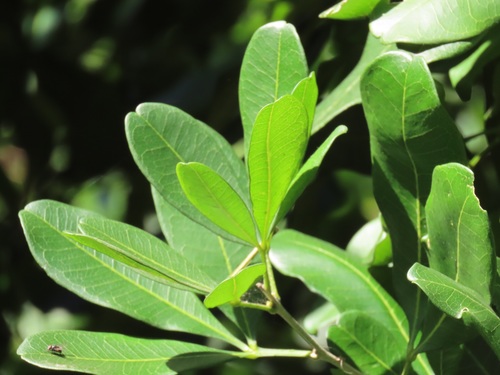
iNaturalist· cc-by
(c) E Santos Ortega, some rights reserved (CC BY), uploaded by E Santos Ortega
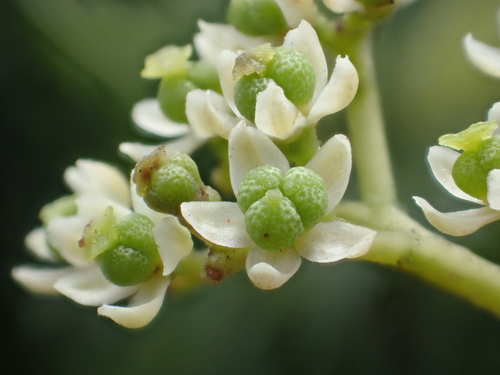
iNaturalist· cc-by-nc-nd
(c) William Avery Hudson, some rights reserved (CC BY-NC-ND)
Description
A tree.
This description is brief — help expand it
Medicinal Uses
Jaborandi has long been used in traditional medicine in S. America, where native people have employed the plant as a natural remedy for epilepsy, convulsions, gonorrhoea, fever, influenza, pneumonia, gastrointestinal inflammations, kidney disease, psoriasis, neurosis, and as an agent to promote sweating. Extensive modern research has borne out the efficacy of many of these treatments. The leaves contain a number of medically active constituents, including alkaloids; an essential oil; terpenes and tannic acid. The alkaloid pilocarpine has been shown to be responsible for much of the biological activity of the plant-especially its ability to induce sweating and salivation, as well as to lower intraocular pressure in the eyes (making it an effective treatment in certain types of glaucoma). This alkaloid has been isolated from the plant and is now widely used in conventional medicine for the treatment of glaucoma and as an agent to cause constriction of the pupil of the eye (useful in some eye surgeries and procedures). Pilocarpine is even being used as a tool for the diagnosis of Alzheimer's disease in early stages; the eye constriction response to the alkaloid was found to be greater in Alzheimer's patients than in controls. Tablets of pilocarpine are also manufactured and prescribed to cancer patients to treat dryness of the mouth and throat caused by radiation therapy as well as to patients with Sjogren's syndrome (an autoimmune disease in which immune cells attack the moisture-producing glands causing dry mouth and eyes). Another alkaloid in the leaf, jaborine, has been shown to counteract or decrease the effects of pilocarpine, which means that one cannot simply relate the effective dosage of a leaf extract based solely upon the pilocarpine content of the extract. The leaves are considered antiinflammatory, cardiac, diaphoretic, diuretic, febrifuge, galactagogue, sedative and sialagogue. In large doses they are emetic. They also act as a stimulant to the smooth muscles of the gastrointestinal tract, bronchi, bile duct and bladder. They have been used by herbalists for treating a range of complaints including bronchitis, asthma, pneumonia, diphtheria, colds and flu, laryngitis, renal insufficiency, hepatitis, diabetes, kidney diseases, oedema and fever. An infusion or cold maceration of the leaves induces sweating within 10 minutes - as much as 9 to 15 ounces of sweat can be excreted from a single dose!. The pounded and parched leaves are applied externally to help heal wounds.
Distribution
It is a tropical plant.
Where It Grows
Argentina, Brazil, Paraguay, South America,
Cultivation
Succeeds in full sun and in dappled shade. Plants have a moderate rate of growth.
Propagation
Seed - best sown as soon as it is ripe in a partially shaded position in a nursery seedbed. A germination rate of less than 50% can be expected, with the seed sprouting within 60 - 90 days.
Other Uses
The leaves are used as a hair tonic which is believed to open pores and clean hair follicles, prevent hair loss, and generally aid in the manageability of hair. The leaves contain an essential oil which gives off an aromatic balsam smell when they are crushed. The wood is of average texture, straight-grained, heavy, hard to cut, slightly susceptible to wood-eating organisms. Because of its small dimensions it is only used for fuel and to make charcoal.
Also Known As
Canela-de-cutia, Cocai, Cutia-branca, Cutia-do-mata, Gatoeira, Gato-moro, Guatambu, Ivira-mi, Ivora-ti, Jabarandi, Jaborandi, Yaguanrandi, Ybira-tay
References (1)
- Grandtner, M. M. & Chevrette, J., 2013, Dictionary of Trees, Volume 2: South America: Nomenclature, Taxonomy and Ecology. Academic Press p 498