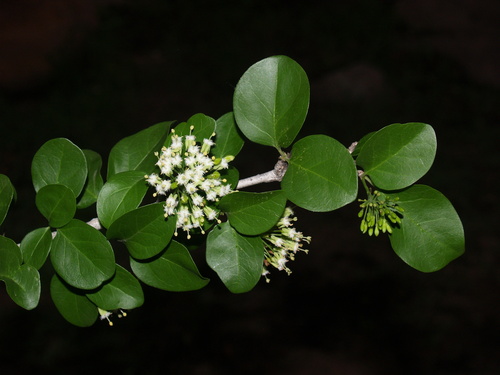
Cordiera humilis
Kuntze
Marmelada-rasteira
iNaturalist· cc-by-nc-sa
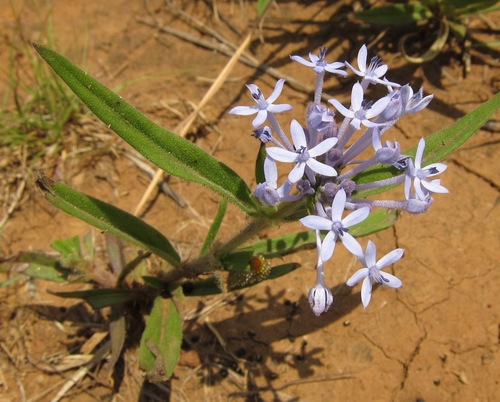
(c) Rich Hoyer, some rights reserved (CC BY-NC-SA), uploaded by Rich Hoyer
Description
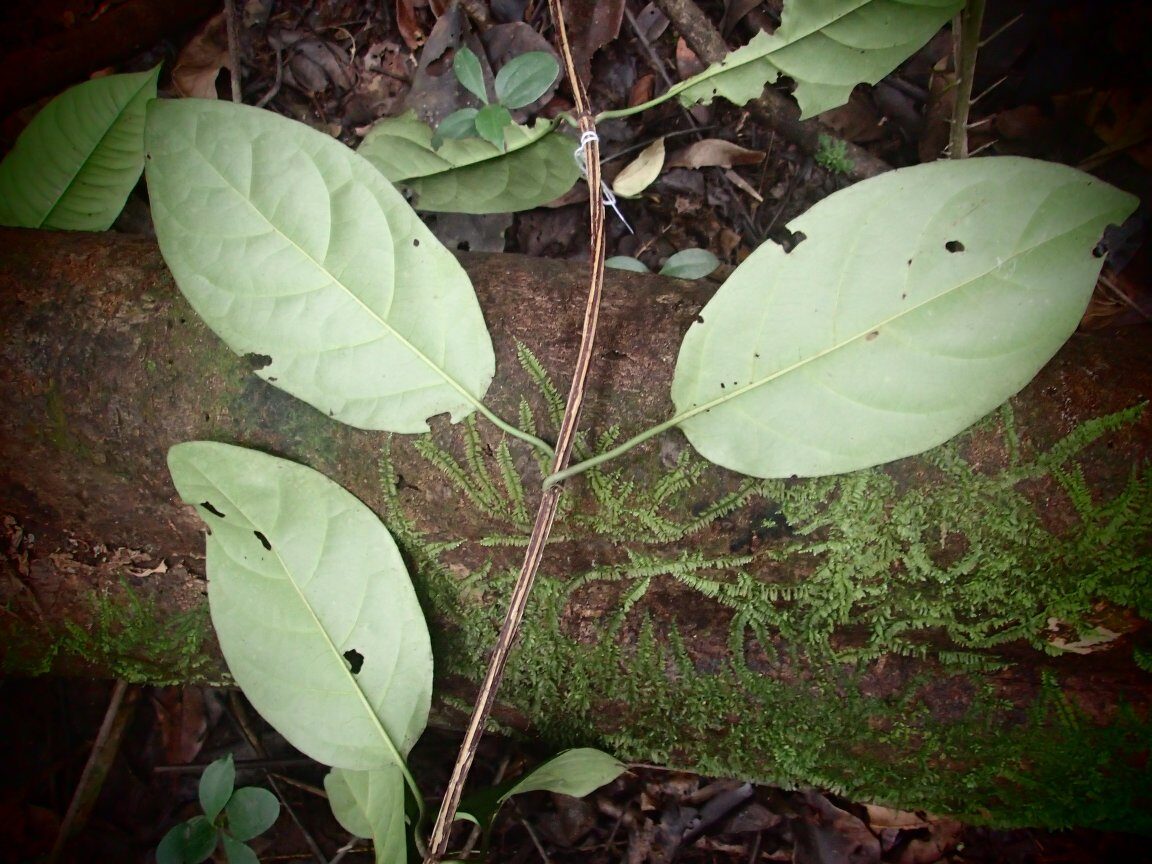
A shrub. It loses its leaves during the year. It has underground stems or rhizomes. The trunk is not clearly defined and the plant forms clumps. It grows 1 m tall. The leaves are papery and 8-14 cm long. Plants are separately male and female. The flowers are white with the female flowers occurring singly and the male flowers in clusters at the ends of branches. The fruit are oblong berries. They are green and turn black when ripe. They are 2-3 cm across. The skin is thin and the flesh is sweet. There are many small seeds.
Edible Uses
Fruit - raw. The thin-skinned fruit has a fleshy pulp containing a lot of small seeds, and a slightly sweet flavour. The pear-shaped fruit is about 2cm in diameter.
Traditional Uses
The fruit are eaten fresh.
This uses section is brief — help expand it
Distribution
It is a tropical plant. It grows naturally in savannahs and open fields in central Brazil.
Where It Grows
Bolivia, Brazil*, South America,
Cultivation
Plants are grown from seed.
Synonyms
References (2)
- Kermath, B. M., et al, 2014, Food Plants in the Americas: A survey of the domesticated, cultivated and wild plants used for Human food in North, Central and South America and the Caribbean. On line draft. p 264
- Lorenzi, H., Bacher, L., Lacerda, M. & Sartori, S., 2006, Brazilian Fruits & Cultivated Exotics. Sao Paulo, Instituto Plantarum de Estuados da Flora Ltda. p 285