Psychotria nervosa
Sw.
Wild coffee, St. John's bush
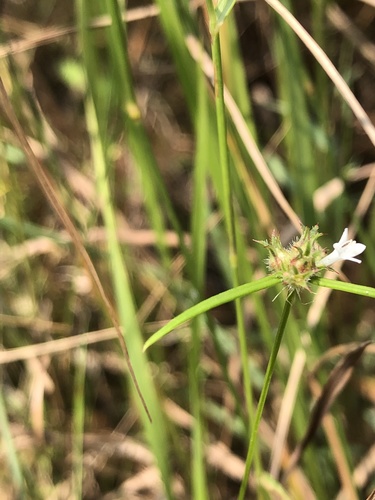
iNaturalist· cc-by-nc
(c) ehilley, some rights reserved (CC BY-NC)
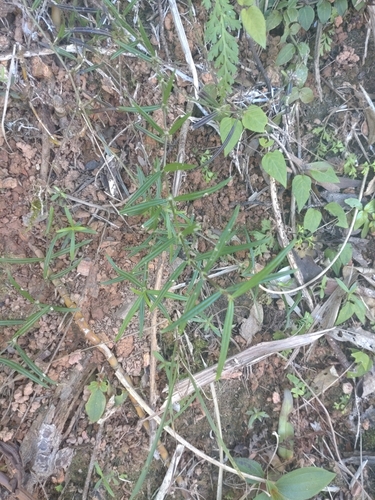
iNaturalist· cc-by-nc
(c) ehilley, some rights reserved (CC BY-NC)
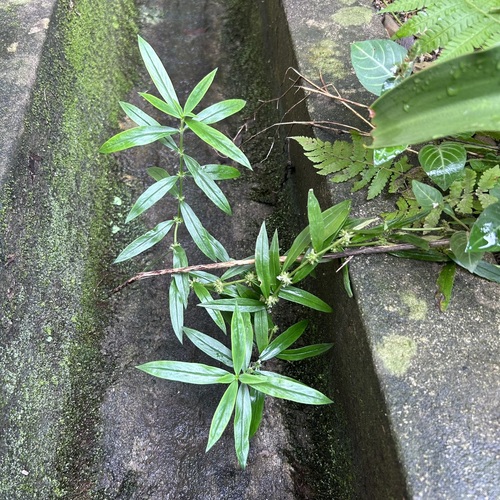
iNaturalist· cc-by-nc
(c) meescott, some rights reserved (CC BY-NC)
Summary
Source: WikipediaPsychotria nervosa, also known as Seminole balsamo or wild coffee, is a shade tolerant medium-sized shrub native to Florida as well as the West Indies and Central and South America. It produces a "small, red, ellipsoid fruit" that resembles "the true coffee bean" in shape and attract birds. Its maximum height ranges from approximately 4–10 feet. Despite its common name of wild coffee, this species is not known to contain any caffeine. In recounting anecdotes from others, the Florida ethnobotanist, Dan Austin, reported that the use of the seeds as a coffee substitute resulted in "only bad taste and terrible headaches." A similar account reported no known usage as a coffee substitute in Jamaica and noted the morphological similarity of its seed to coffee, the more likely reason for its common name being wild coffee. Reports of DMT in this species are also unsubstantiated.
Description
An evergreen shrub. It grows 1-4 m tall. The fruit are bright red and 6-8 mm long.
This description is brief — help expand it
Edible Uses
The bright red fruits are eaten raw. The seeds are roasted as a coffee substitute. The leaves are used to make tea.
Traditional Uses
The fruit are eaten raw. The seeds are roasted and used as a substitute for coffee. The leaves are used for tea.
This uses section is brief — help expand it
Distribution
It is a tropical plant. It grows in damp forest in the lowlands. It grows up to 1,200 m above sea level. It is best in an alkaline well-drained soil.
Where It Grows
Bahamas, Belize, Central America, Columbia, Cuba, Dominican Republic, Ecuador, Haiti, Jamaica, Lesser Antilles, Mexico, North America, South America, Trinidad, USA, Venezuela, West Indies,
Cultivation
Plants can be pruned and grown as a hedge.
Other Uses
Plants respond to trimming and can be grown as a medium-sized hedge.
Production
Plants can flower and fruit all year round.
Synonyms
Also Known As
Cachimbo, Cafe cimarron, Chacrona, Chacruna, Plateado, Seminole balsam, Shiny-leaved wild coffee
References (7)
- Facciola, S., 1998, Cornucopia 2: a Source Book of Edible Plants. Kampong Publications, p 213
- Ferns, Useful Tropical Plants
- Grandtner, M. M., 2008, World Dictionary of Trees. Wood and Forest Science Department. Laval University, Quebec, Qc Canada. (Internet database http://www.wdt.qc.ca)
- Grandtner, M. M. & Chevrette, J., 2013, Dictionary of Trees, Volume 2: South America: Nomenclature, Taxonomy and Ecology. Academic Press p 551
- Kermath, B. M., et al, 2014, Food Plants in the Americas: A survey of the domesticated, cultivated and wild plants used for Human food in North, Central and South America and the Caribbean. On line draft. p 725
Show all 7 references Hide references
- Nova genera & species plantarum seu prodromus 43. 1788
- Plants of Haiti Smithsonian Institute http://botany.si.edu/antilles/West Indies