Eugenia multicostata
D. Legrand
Pau-brasil
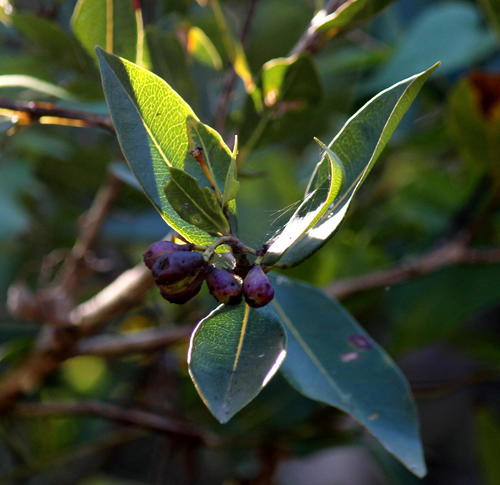
iNaturalist· cc-by-nc
(c) Igor Azevedo, some rights reserved (CC BY-NC), uploaded by Igor Azevedo
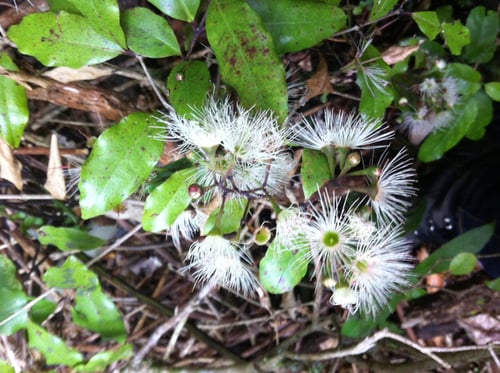
iNaturalist· cc-by-nc
(c) Luís A. Funez, some rights reserved (CC BY-NC), uploaded by Luís A. Funez
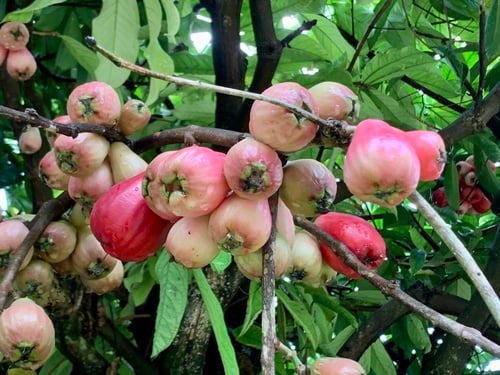
iNaturalist· cc-by-nc
(c) Henry Miller Alexandre, some rights reserved (CC BY-NC), uploaded by Henry Miller Alexandre
Description
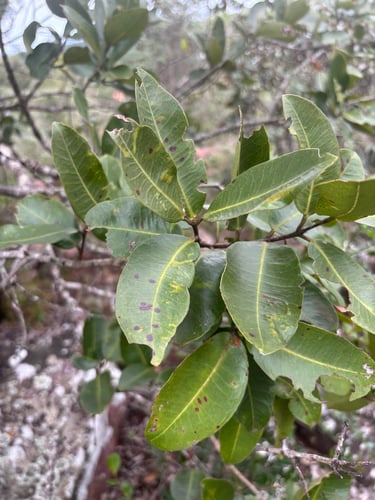
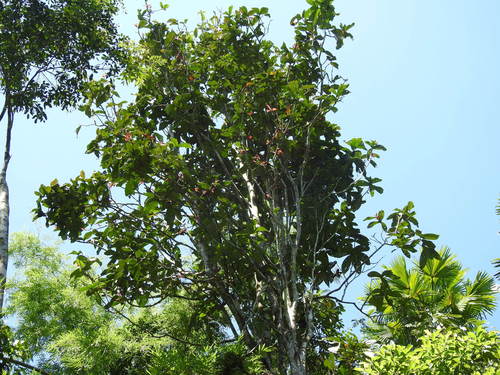
A deciduous tree. It grows 20-30 m tall. The crown is dense. The trunk is crooked. The bark is light brown or reddish. The leaves are somewhat leathery and 6-12 cm long. The flowers are in groups near the ends of branches. They are white. The fruit are oblong with ridges. The pulp is juicy and acid with a pleasant taste.
Edible Uses
Fruit - raw and made into jellies and sweets. The thin-skinned fruit has a thick, fleshy, succulent pulp with a very pleasant, acidic flavour. The fruit is around 4cm long and 3cm wide.
Traditional Uses
The fruit are eaten fresh. They are also used for jellies and sweets.
This uses section is brief — help expand it
Distribution
A tropical plant. It grows naturally in the forest near the Atlantic in Brazil.
Where It Grows
Brazil*, South America,
Cultivation
Plants are grown from seed. Seeds are collected from ripe fruit and the pulp removed. They need to be planted fresh. Seedlings emerge in 30-40 days.
Propagation
Seed - best sown in partial shade as soon as it is ripe. Germination rates of around 50% can be expected, with the seed sprouting within 30 - 40 days.
Other Uses
The wood is fine-textured, straight-grained, heavy, hard to cut, resistant to wood-eating organisms. It is used to make tool handles, agricultural implements, turned pieces and wagon bodies.
Production
Plants grow slowly.
Synonyms
Also Known As
Araca-piranga, Araca-vermelho, Pau-alazao, Pau-mulato, Sapiranga
References (6)
- Brack, P., et al, 2020, Frutas nativas do Rio Grande do Sul, Brasil: riqueza e potencial alimentício. Native fruits of Rio Grande do Sul, Brazil: richness and potential as food. Rodriguésia 71: e03102018.
- INFOODSUpdatedFGU-list.xls
- Kinupp, V. F., 2007, Plantas alimenticias nao-convencionais da regiao metropolitana de Porto Alegre, RS, Brazil p 85
- Kinupp, V. F. & Bergman, I., 2008, Protein and minerals of native species, potential vegetables and fruits. Cienc.Tecnol. Aliment. Vol. 28 No. 4 Campinas Oct/Dec.
- Lorenzi, H., Bacher, L., Lacerda, M. & Sartori, S., 2006, Brazilian Fruits & Cultivated Exotics. Sao Paulo, Instituto Plantarum de Estuados da Flora Ltda. p 205
Show all 6 references Hide references
- Lorenzi, H., 2009, Brazilian Trees. A Guide to the Identification and Cultivation of Brazilian Native Trees. Instituto Plantarum de Estuados da Flora Ltda. Vol. 3 p 248