Eugenia itaguahiensis
Nied.
Grumixama-mirim
iNaturalist· cc-by-nc
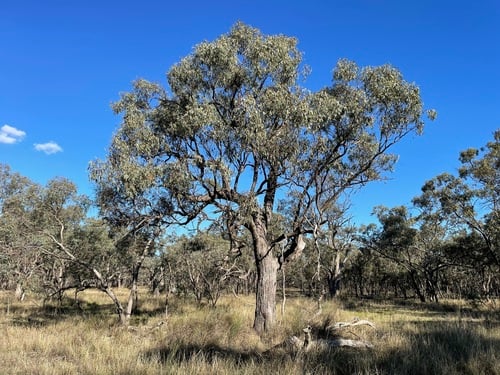
(c) jakeprata, some rights reserved (CC BY-NC)
iNaturalist· cc-by-nc
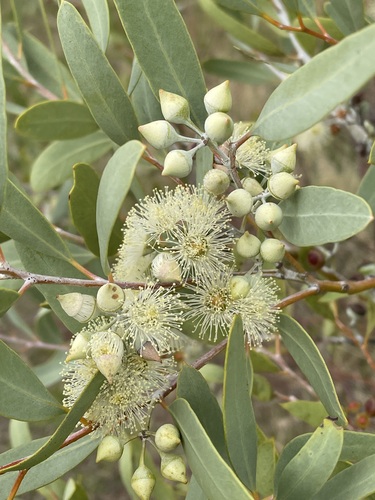
(c) jakeprata, some rights reserved (CC BY-NC)
iNaturalist· cc-by-nc
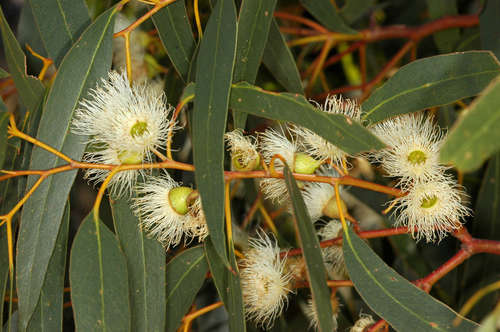
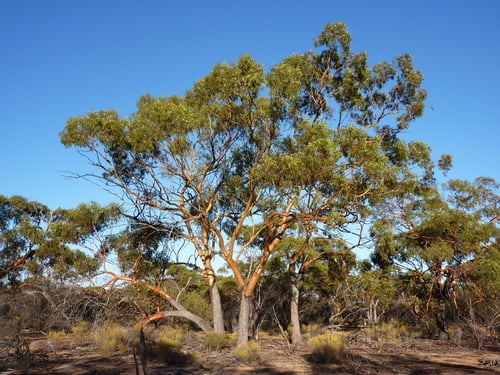
(c) paupitz, some rights reserved (CC BY-NC)
Description
A small evergreen shrub. It grows 2-4 m high. The leaves are oval and leathery. They are dark green on top and whitish underneath. They are 3-6 cm long. The young leaves are a copper colour. The flowers occur singly on the axils of leaves and on long stalks. They are white but turn pink. The fruit are shiny black berries. They have long sepals that remain on top.
Edible Uses
The fruit are eaten fresh and used for jelly.
Traditional Uses
The fruit are eaten fresh and also used for jelly.
This uses section is brief — help expand it
Distribution
It is a tropical plant. It grows naturally on forest levees in Brazil.
Where It Grows
Brazil*, South America,
Cultivation
Plants are grown from seed. The seeds are collected from ripe fruit and the pulp removed. Seeds need to be planted fresh. Seedlings emerge in 20-40 days.
Propagation
Seed - best sown as soon as it is ripe in a partially shaded position in a nursery seedbed. A moderate germination rate can be expected, with the seed sprouting within 20 - 40 days.
Other Uses
The wood is fine-textured, irregular-grained, moderately heavy, hard to cut, slightly susceptible to wood-eating organisms. Because of its small dimensions, it is only used as a fuel and to make charcoal.
Production
Plants grow slowly.
Other Information
The fruit are enjoyed. The tree is occasionally grown as a fruit tree.
Synonyms
Also Known As
Grumixama-ana
References (4)
- Leal, M. L. et al, 2018, Knowledge, use, and disuse of unconventional food plants. Journal of Ethnobiology and Ethnomedicine (2018) 14:6
- Lorenzi, H., Bacher, L., Lacerda, M. & Sartori, S., 2006, Brazilian Fruits & Cultivated Exotics. Sao Paulo, Instituto Plantarum de Estuados da Flora Ltda. p 200
- Lorenzi, H., 2009, Brazilian Trees. A Guide to the Identification and Cultivation of Brazilian Native Trees. Instituto Plantarum de Estuados da Flora Ltda. Vol. 3 p 245
- www.colecionandofrutas.org