Eugenia copacabanensis
Kiaersk.
Copacabana guava
iNaturalist· cc-by-nc
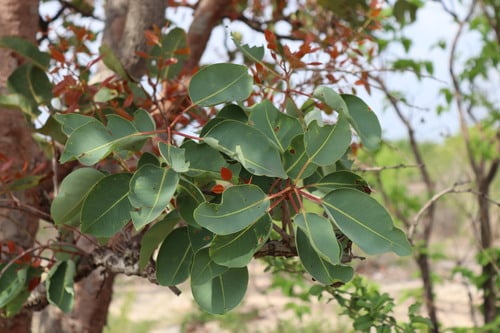
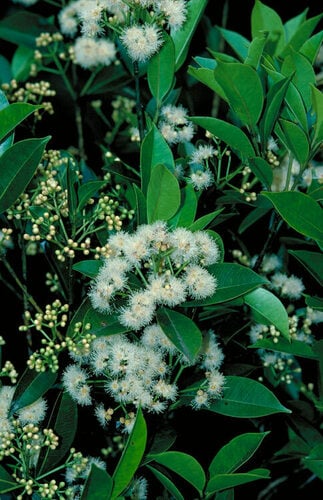
(c) Diego Monsores, some rights reserved (CC BY-NC), uploaded by Diego Monsores
iNaturalist· cc-by-nc
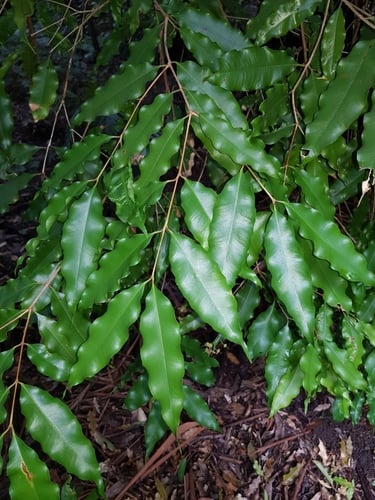
(c) Henry Miller Alexandre, some rights reserved (CC BY-NC), uploaded by Henry Miller Alexandre
iNaturalist· cc-by-nc
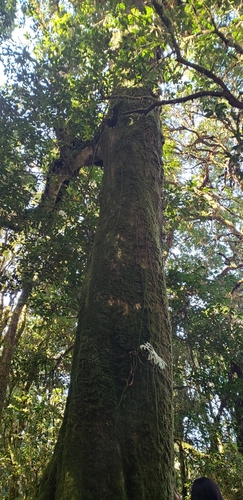
(c) Diego Monsores, some rights reserved (CC BY-NC), uploaded by Diego Monsores
Description
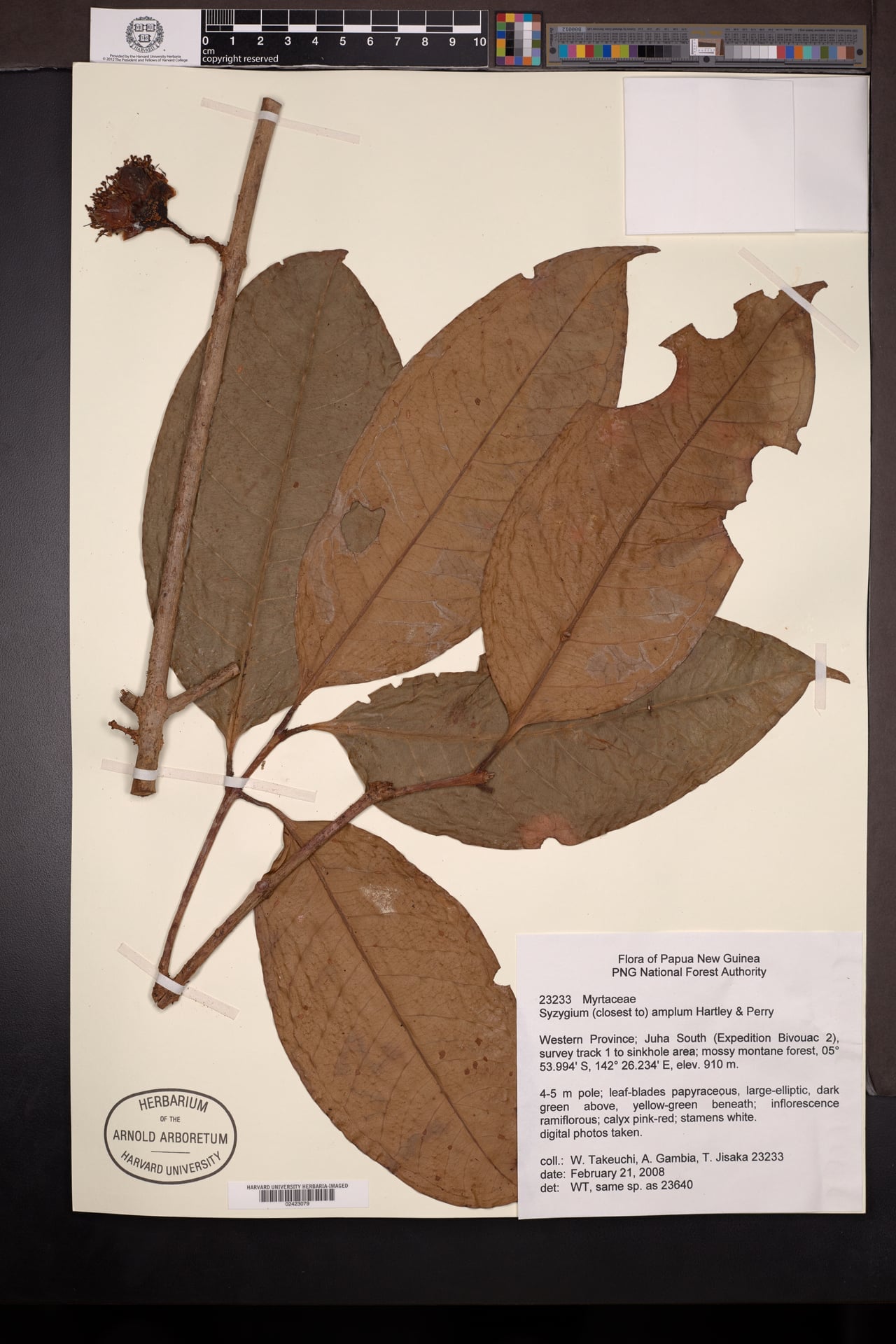
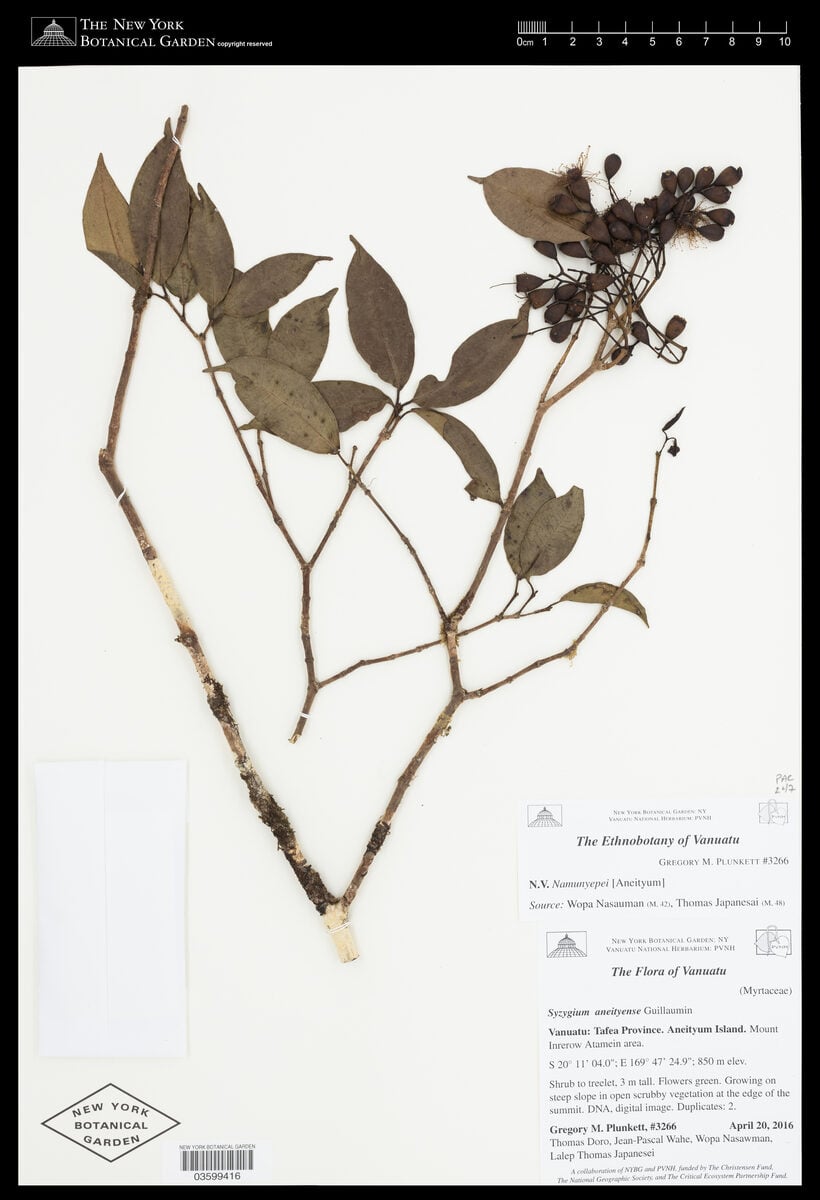
An evergreen tree. It grows 4-7 m tall. The crown is low and dense. The leaves are oval and taper to the tip. They are papery and smooth on both surfaces. Young leaves are reddish. The leaves are 4-8 cm long. The flowers are in groups in the axils of leaves. There are 3-7 white flowers. The fruit are round and orange coloured. The pulp is thick and orange. There are 2 white seeds that are easily separated from the pulp.
Edible Uses
Fruit - raw. A thick, orange, fleshy, succulent pulp with a sweetish but not very pleasant flavour. The fruits are up to 4cm in diameter.
Traditional Uses
The fruit are eaten fresh.
This uses section is brief — help expand it
Distribution
It is a tropical plant. It grows on the coastal banks in Brazil.
Where It Grows
Brazil*, South America,
Cultivation
Plants are grown from seed. The seeds are collected from ripe fruit and the pulp removed. Seeds need to be planted fresh. They are best in light shade. Seedlings emerge over 6 months.
Propagation
Seed - best sown as soon as it is ripe in a partially shaded position in a nursery seedbed. A germination rate of around 70% can be expected, with the seed taking more than 6 months to sprout.
Other Uses
The wood is of average texture, straight-grained, moderately heavy, hard, slightly susceptible to wood-eating organisms. Because of its small dimensions, it is only used for fuel and to make charcoal.
Production
Plants grow slowly.
Other Information
The fruit are not very popular.
Also Known As
Bapuana, Cambui-amarelo-grande
References (3)
- Lorenzi, H., Bacher, L., Lacerda, M. & Sartori, S., 2006, Brazilian Fruits & Cultivated Exotics. Sao Paulo, Instituto Plantarum de Estuados da Flora Ltda. p 195
- Lorenzi, H., 2009, Brazilian Trees. A Guide to the Identification and Cultivation of Brazilian Native Trees. Instituto Plantarum de Estuados da Flora Ltda. Vol. 3 p 244
- www.colecionandofrutas.org