Dicella nucifera
Chodat
Chestnut vine
iNaturalist· cc-by-sa
(c) Edson Luis Fabro Gasperin, some rights reserved (CC BY-SA), uploaded by Edson Luis Fabro Gasperin
iNaturalist· cc-by-sa
(c) Edson Luis Fabro Gasperin, some rights reserved (CC BY-SA), uploaded by Edson Luis Fabro Gasperin
iNaturalist· cc-by-sa
(c) Edson Luis Fabro Gasperin, some rights reserved (CC BY-SA), uploaded by Edson Luis Fabro Gasperin
Description
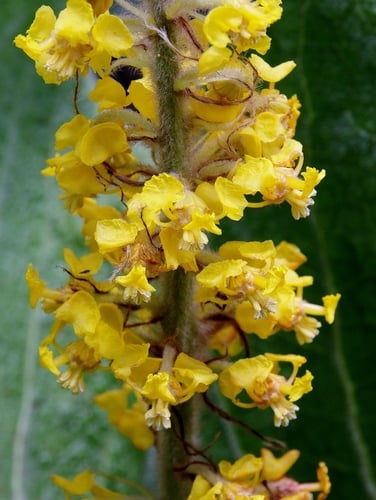
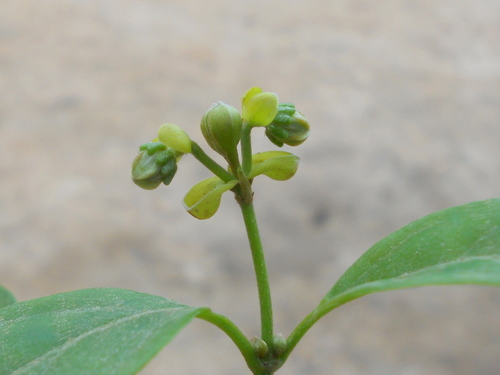
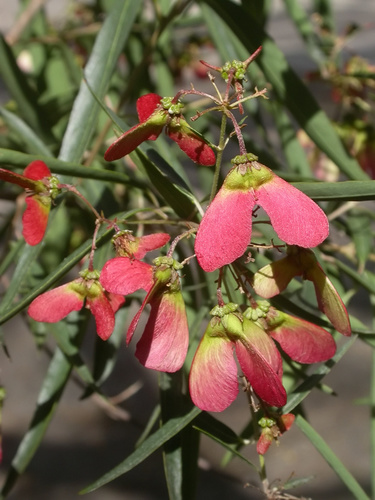
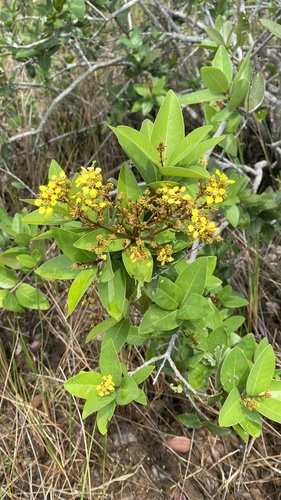
A twining vine. It can be 12 m long. It keeps its leaves throughout the year. It climbs to the crowns of the tallest trees. The leaves are simple and papery. They are hairy underneath. The leaves are 5-10 cm long. The flowers are on branched stalks in the axils of leaves. The flowers are red but turn yellow. The fruit is oval and has hairs on the surface. They are 2.5 cm long. These come off easily. There are 2-4 sweet seeds or nuts inside.
Edible Uses
The nuts are eaten fresh or roasted.
Traditional Uses
The nuts are eaten fresh or roasted.
This uses section is brief — help expand it
Distribution
It is a tropical plant. It grows in the high altitude forests of southern Brazil. In Argentina it grows from sea level to 700 m above sea level.
Where It Grows
Argentina, Brazil*, Paraguay, South America,
Cultivation
Plants are grown from seed.
Other Information
The nuts are enjoyed
Synonyms
Also Known As
Amendoim-do-mato, Castanha-de-cipo, Mani del mono, Mani del monte
References (6)
- Brack, P., et al, 2020, Frutas nativas do Rio Grande do Sul, Brasil: riqueza e potencial alimentício. Native fruits of Rio Grande do Sul, Brazil: richness and potential as food. Rodriguésia 71: e03102018.
- Kinupp, V. F., 2007, Plantas alimenticias nao-convencionais da regiao metropolitana de Porto Alegre, RS, Brazil p 80
- Kujawska, M. & Luczaj, L., 2015, Wild Edible Plants Used by the Polish Community in Misiones, Argentina. Human Ecology 43:855-869
- Lorenzi, H., Bacher, L., Lacerda, M. & Sartori, S., 2006, Brazilian Fruits & Cultivated Exotics. Sao Paulo, Instituto Plantarum de Estuados da Flora Ltda. p 159
- www.colecionandofrutas.org
Show all 6 references Hide references
- www.tradewindsfruit.com