Byrsonima stipulacea
A. Juss.
Murici-do-litoral, Murici, Murici-da-mata
iNaturalist· cc-by-nc
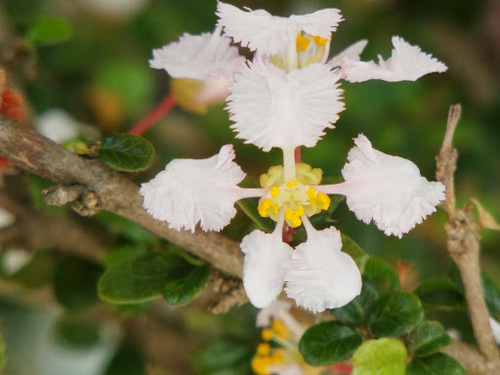
(c) Marcio Santos Ferreira, some rights reserved (CC BY-NC), uploaded by Marcio Santos Ferreira
iNaturalist· cc-by-nc
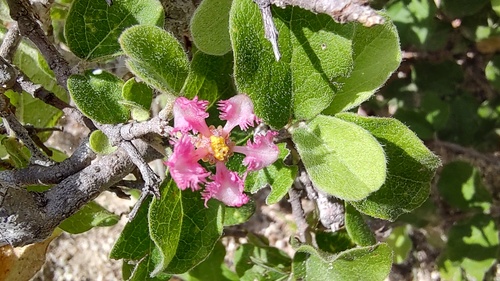
(c) Jessica Launay, some rights reserved (CC BY-NC)
Description
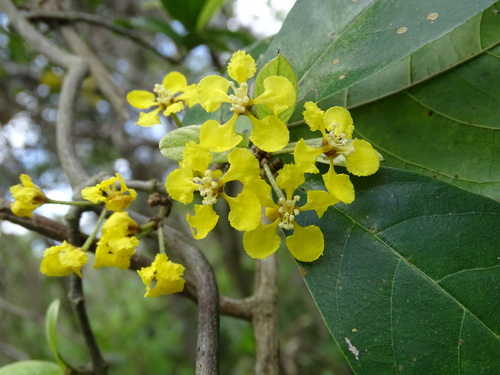
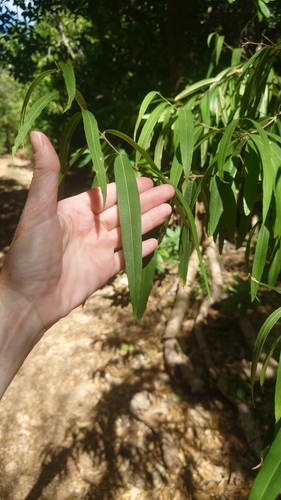
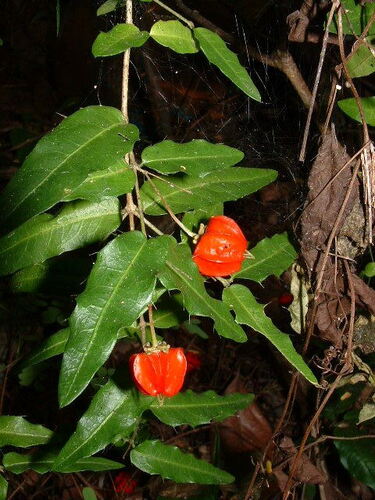
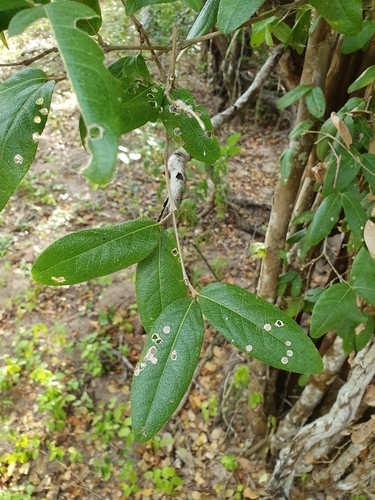
A tree. It grows 10-20 m high. The crown is dense and pyramid shaped. The young branches have a rusty coating. The trunk is upright and 40-70 cm across. The leaves are simple and opposite. They have a rusty covering underneath. They are 10-16 cm long by 4-8 cm wide. The leaf stalks are 5-11 mm long. The flowers are at the ends of branches. They are in long stalks 10-16 cm long. They are yellow. The fruit is round and fleshy with one round seed. The pulp is sweet and soft. The seed is black with a rough surface.
Edible Uses
The sweet fruit pulp is eaten fresh, particularly by children.
Traditional Uses
The fruit are eaten.
This uses section is brief — help expand it
Known Hazards
None mentioned.
Distribution
It is a tropical plant. It grows near the Atlantic coast in Brazil.
Where It Grows
Amazon, Bolivia, Brazil, Guiana, Guianas, Guyana, South America, Suriname, Venezuela,
Cultivation
Plants are grown from seed. Ripe fruit are put in plastic bags to soften then the sees removed under running water. Fresh seed are planted. They germinate in 5-9 weeks.
Propagation
Seed - best sown as soon as it is ripe in a sunny position in a nursery seedbed. Germination rates are normally low, with the seed sprouting within 5 - 9 weeks. Transplant the seedlings to individual containers when 5 - 7cm tall.
Other Uses
The heartwood and sapwood are not clearly differentiated. The wood is of medium texture, straight-grained, moderately heavy, with moderate mechanical properties and low durability. It is used in general construction for internal purposes such as beams, scantlings, laths, floors etc, as well as for making furniture.
Other Information
It is a significant fruit. The fruit are especially eaten by children.
Notes
There are 127 Byrsonima species. They grow in tropical America.
Synonyms
References (7)
- Andel T. van, Non-timber forest products of the North-West District of Guyana. Part 2. A Field Guide. Tropenbos-Guyana Programme. p 285
- Grandtner, M. M. & Chevrette, J., 2013, Dictionary of Trees, Volume 2: South America: Nomenclature, Taxonomy and Ecology. Academic Press p 85
- Kermath, B. M., et al, 2014, Food Plants in the Americas: A survey of the domesticated, cultivated and wild plants used for Human food in North, Central and South America and the Caribbean. On line draft. p 156
- Maas, P.J. M., Non-timber forest products of the North-West District of Guyana. Part 1. Nationaal Herbarium Nederland, Universiteit Utrecht. p 100
- Useful plants of Guyana. Non-Timber Forest Products of the North-West District of Guyana Part 1. p 110
Show all 7 references Hide references
- Lorenzi, H., 2002, Brazilian Trees. A Guide to the Identification and Cultivation of Brazilian Native Trees. Vol. 02 Nova Odessa, SP, Instituto Plantarum p 243
- www.colecionandofrutas.org