Melancium campestre
Naudin
Melancia-do-campo
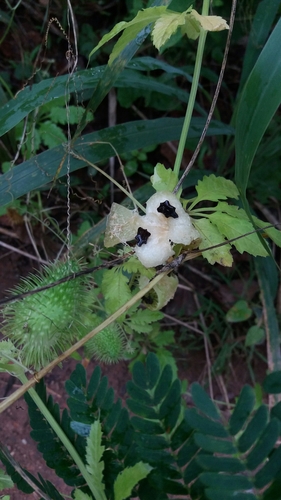
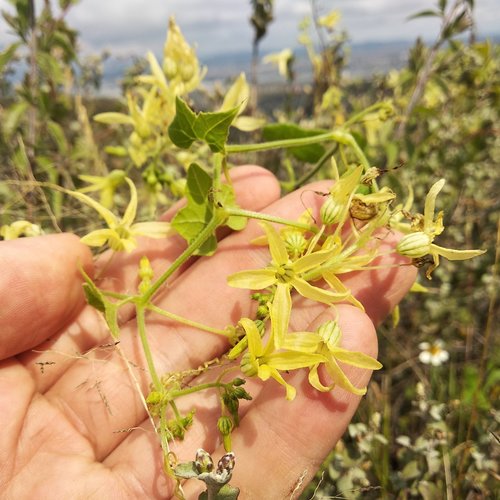
iNaturalist· cc-by-nc
(c) Carlos Otávio Gussoni, some rights reserved (CC BY-NC)
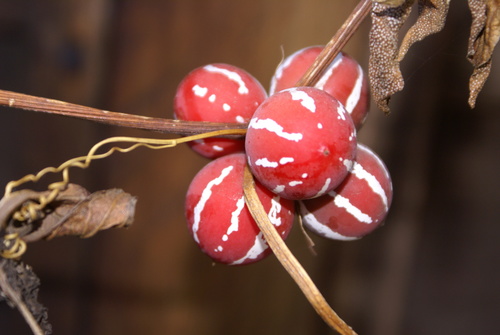
iNaturalist· cc-by-nc
(c) Carlos Otávio Gussoni, some rights reserved (CC BY-NC)
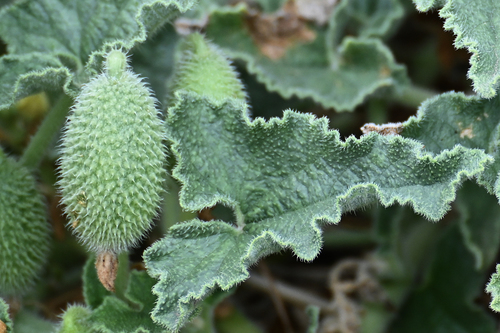
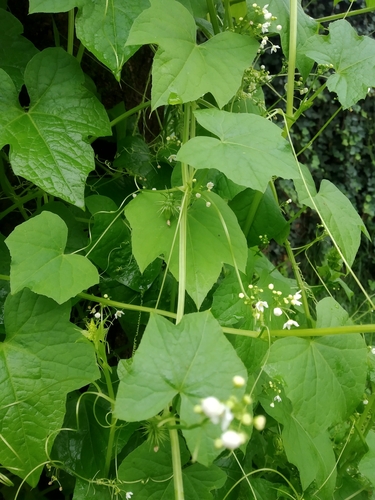
iNaturalist· cc-by-nc
(c) JAxworthy, some rights reserved (CC BY-NC)
Description
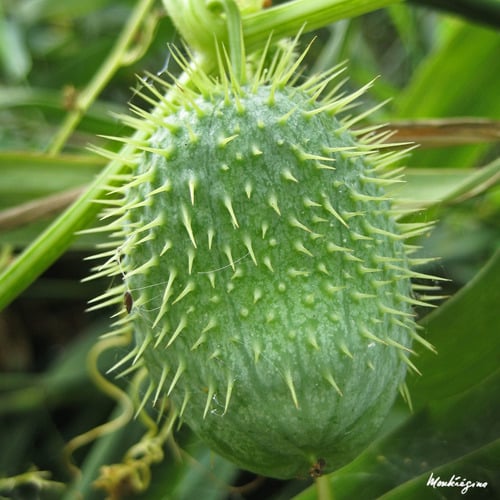
A pumpkin family plant. It is a herb that keeps growing from year to year. The stems lie along the ground. They are hairy. The leaves are simple with 3-5 irregular lobes. They are 5-6 cm long and hairy. Flowers are separately male and female but on the same plant. The female flowers occur singly in the axils of leaves and several male flowers occur in a group. The fruit are round and 10 cm across. The pulp is juicy and sweet.
Edible Uses
Fruit - raw. Often made into juices. A succulent pulp with a slightly sweet flavour. The fruit is up to 9cm in diameter. The pulp contains a number of seeds that have small hairs all facing in the same direction. When eating the pulp with the seeds present, the seeds tend to slide uncontrollably towards the throat.
Traditional Uses
The fruit are eaten fresh or used for juice.
This uses section is brief — help expand it
Medicinal Uses
Vermifuge. No further details are given, but it probably refers to the seeds.
Distribution
A tropical plant. It grows in the savannas all over Brazil. In Argentina it grows from sea level to 1,000 m above sea level.
Where It Grows
Argentina, Brazil, Paraguay, South America*,
Cultivation
Plants are grown from seed.
Synonyms
Also Known As
Cabacui, Melaozinho-do-cerrado
References (5)
- Ann. Sci. Nat. Ser. 4. 16:175. 1861
- Bortolotto, I. M., et al, 2018, Lista preliminar das plantas alimenticias nativas de Mato Grosso do Sul, Brasil. Iheringia, Serie Botanica, Porto Alegre, 73 (supl.):101-116
- Lorenzi, H., Bacher, L., Lacerda, M. & Sartori, S., 2006, Brazilian Fruits & Cultivated Exotics. Sao Paulo, Instituto Plantarum de Estuados da Flora Ltda. p 131
- Peres, M. K., 2011, Diasporos do Cerrado Atrativos para Fauna: Chave Interativa Caracterizacao Visual e Relacoes Ecologicas. Masters thesis. Universidade de Brasilia.
- www.colecionandofrutas.org