Ecballium elaterium
(L.) A. Rich.
Squirting cucumber
iNaturalist· cc-by-nc
(c) josefwirth, some rights reserved (CC BY-NC), uploaded by josefwirth
iNaturalist· cc-by-nc
(c) Carlapreza, some rights reserved (CC BY-NC)
Summary
Source: WikipediaEcballium elaterium is a frost-tender perennial reaching 0.3 m tall by 1 m wide. Hardy to UK zone 9. Flowers from June to August with seeds ripening August to September. Monoecious and self-fertile, pollinated by insects. Grows in light sandy, medium loamy, and heavy clay soils with good drainage. Tolerates mildly acidic, neutral, and basic soils. Requires full sun and adapts to dry or moist conditions.
Description
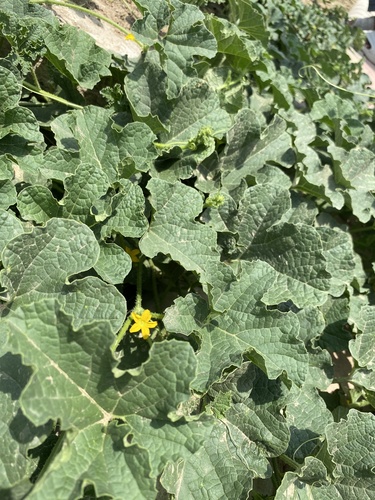
A creeping herb. The roots are robust. It can re-grow from the roots. The leaf stalk is 5-15 cm long. The leaves are heart shaped. They are 8-20 cm long by 6-15 cm wide. There are white hairs underneath. The male flowers occur in a group and female flowers occur singly. They are yellow. The fruit is oval or oblong and 4-5 cm long by 2-3 cm wide.
Edible Uses
No edible uses are known.
Traditional Uses
Caution:
This uses section is brief — help expand it
Medicinal Uses
The squirting cucumber has been used medicinally for over 2,000 years, though it has a very violent effect on the body and little application in modern herbalism. The fruit juice is antirheumatic, cardiac, and purgative — acting as a very powerful purgative that causes evacuation of water from the bowels. It is used internally to treat oedema associated with kidney complaints, heart problems, rheumatism, paralysis, and shingles, and externally for sinusitis and painful joints. It should be used with great caution and only under the supervision of a qualified practitioner. Excessive doses have caused gastro-enteritis and even death. It must not be used by pregnant women as it can cause abortion. Fully grown but unripe fruits are harvested in summer, left in containers until their contents are expelled, and the juice is then dried for later use. The root contains an analgesic principle.
Distribution
In is a Mediterranean or temperate plant. In western China it grows on dry mountain slopes and grasslands.
Where It Grows
Asia, Australia, Balkans, Britain, Central Asia, China, Iran, Macedonia, Mediterranean, Middle East, Slovenia, Tajikistan, Tasmania, Tunisia,
Propagation
Sow seed in early spring in rich compost in a greenhouse, placing 2–3 seeds per pot and thinning to the strongest plant. Seed usually germinates in 10–21 days at 25°c. Grow plants on quickly and plant out after the last expected frosts.
Other Uses
None known Special Uses
Other Information
It is cultivated.
Notes
The seed oil is used as medicine.
Synonyms
Also Known As
Navadni štrkavec
References (3)
- Baker, M. L. & de Salas, M. F., 2012, A Census of the Vascular Plants of Tasmania. (On line)
- INFOODSUpdatedFGU-list.xls
- Zeven, A. C. & de West, J. M. J., 1982, Dictionary of cultivated plants and their regions of diversity. Wageningen. p 108
More from Cucurbitaceae
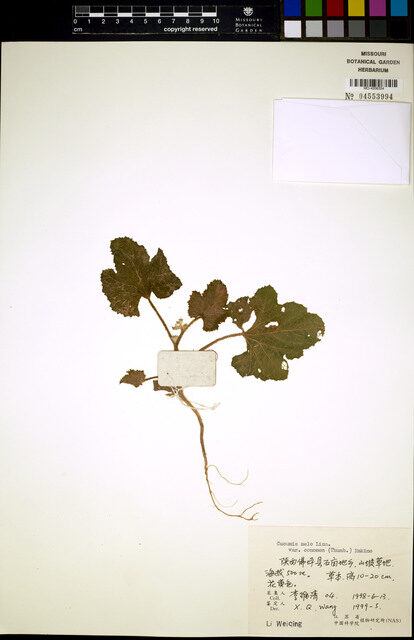
Cucumis melo conomon - (Thunb.)Makino.
Pickling Melon
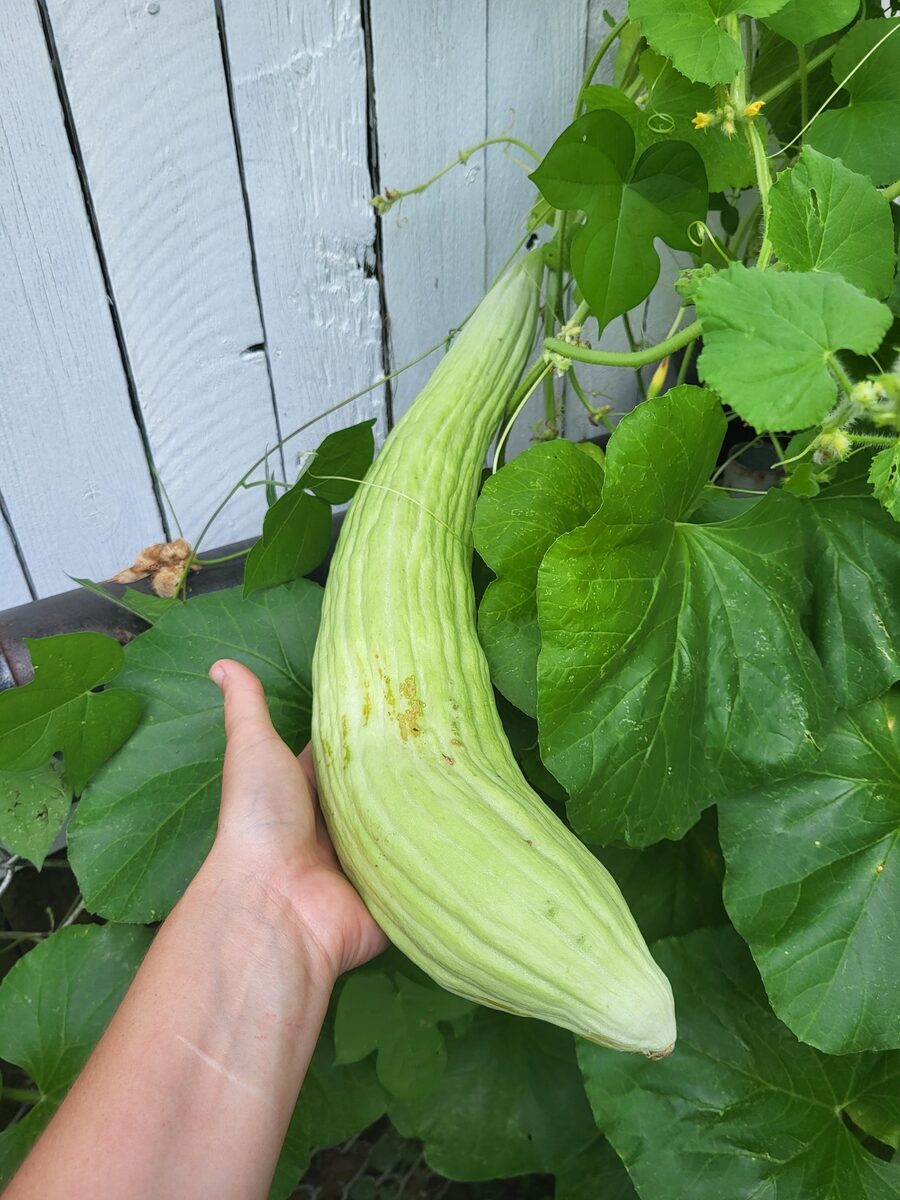
Cucumis melo flexuosus - (L.)Naudin.
Serpent Melon
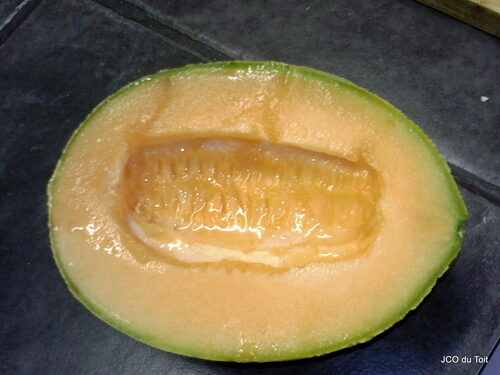
Cucumis melo inodorus
Honeydew Melon
Cucumis melo momordica - (Roxb.)Duthie.&J.B.Fuller.
Snap Melon
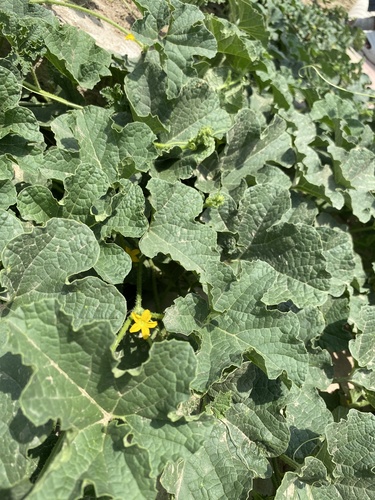
Cucumis melo subsp. agrestis
Early melon, Native gooseberry, People's melon
Cucumis melo var. agrestis