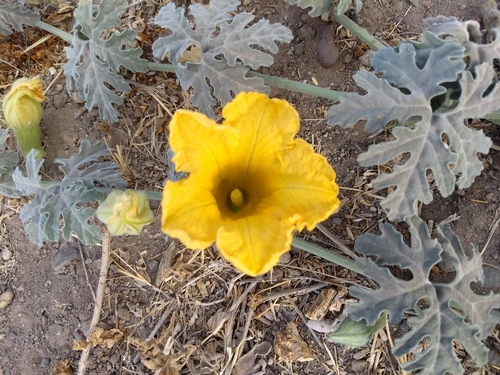
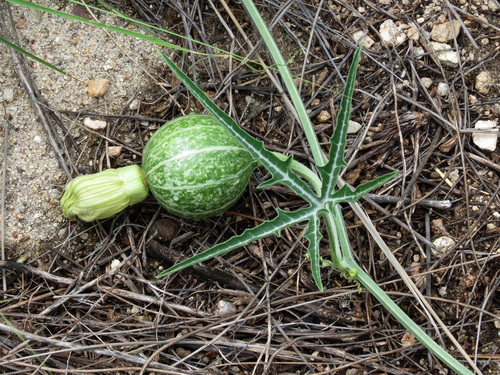
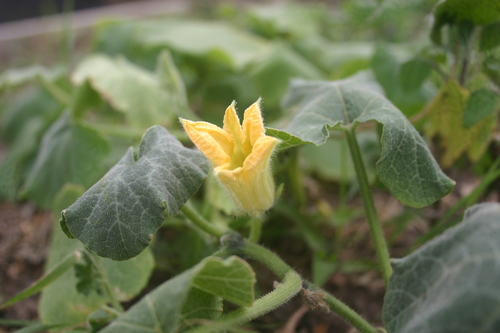
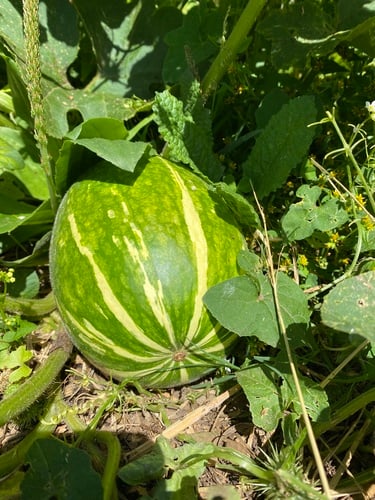
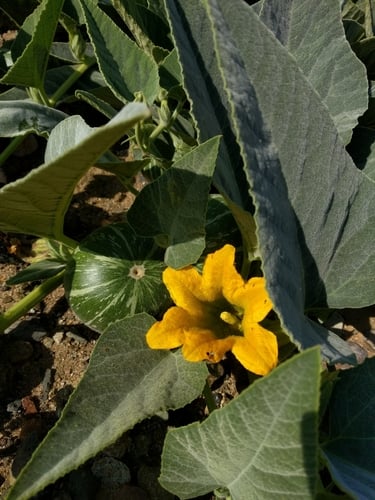
Echinocystis lobata
(Michx.) Torr. & A. Gray
Wild cucumber
iNaturalist· cc-by-nc-sa
(c) Monteregina (Nicole), some rights reserved (CC BY-NC-SA)
iNaturalist· cc-by-nc
(c) Eve Fraser-Corp, some rights reserved (CC BY-NC)
iNaturalist· cc-by-nc
(c) Anita, some rights reserved (CC BY-NC)
Summary
Source: WikipediaFast-growing annual vine reaching 8 m in length. Frost tender. Leafy May to October, flowers July to September. Monoecious, insect-pollinated, and self-fertile. Tolerates light sandy, medium loamy, and heavy clay soils with preference for good drainage. Grows in mildly acid to basic soils. Requires full sun and prefers moist soil.
Description
A creeping herb or vine. It can grow 8 m long. Flowers are separately male or female on the same plant.
This description is brief — help expand it
Edible Uses
No edible uses are known.
Medicinal Uses
The pulverized root is used as a poultice for headaches. A very bitter tea brewed from the roots is analgesic and also used as a love potion. It is used as a bitter tonic for stomach troubles, kidney ailments, rheumatism, chills, and fevers.
Distribution
It is a temperate plant. It is damaged by frost. It needs to be in a sunny position.
Where It Grows
Canada, North America, Slovenia, USA,
Propagation
Sow seed in early spring in a rich compost in a greenhouse, placing 2–3 seeds per pot. Seed usually germinates within 1–2 weeks at 20°c. Thin to the strongest plant per pot, grow on quickly, and plant out after the last expected frosts. Provide protection such as a cloche until plants are growing away well.
Other Uses
The seeds have been used as beads.
Notes
It is used as medicine.
Synonyms
Also Known As
Oljna bučka, Prickly cucumber
References (1)
- Encyclopedia of Life