Peritassa campestris
(Cambess.) A.C. Sm.
Bacupari, Bacupari-do-cerrado
iNaturalist· cc-by-nc
(c) Victor Pássaro, some rights reserved (CC BY-NC)
iNaturalist· cc-by-nc
(c) Victor Pássaro, some rights reserved (CC BY-NC)
iNaturalist· cc-by-nc
(c) Victor Pássaro, some rights reserved (CC BY-NC)
Description
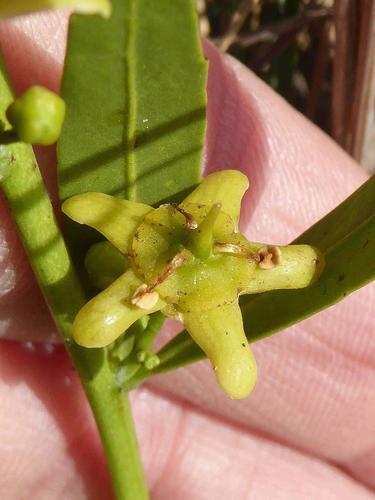
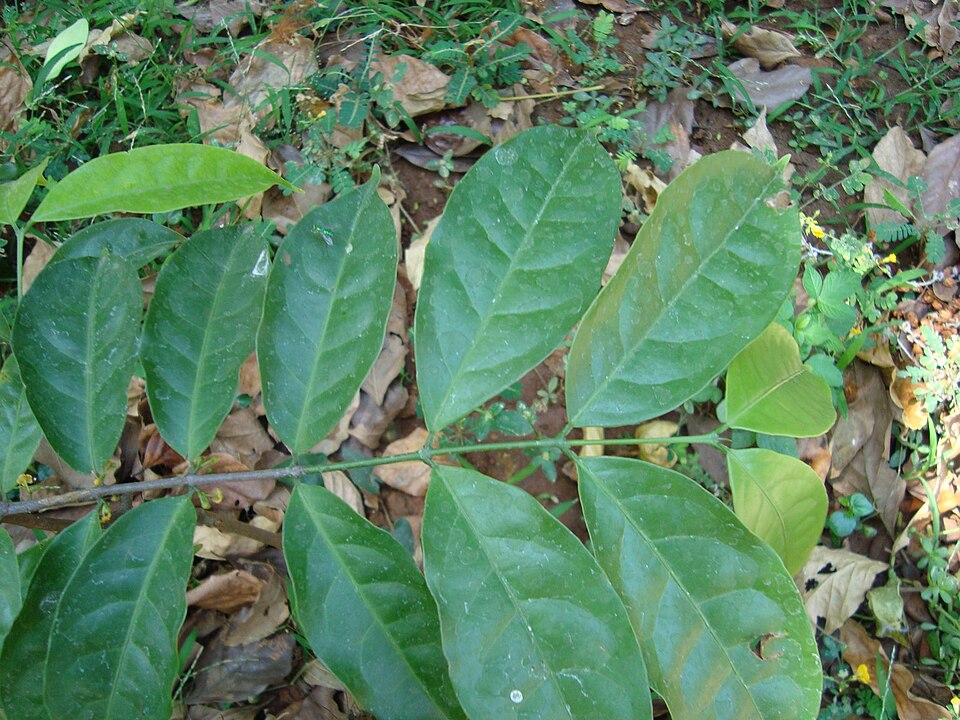
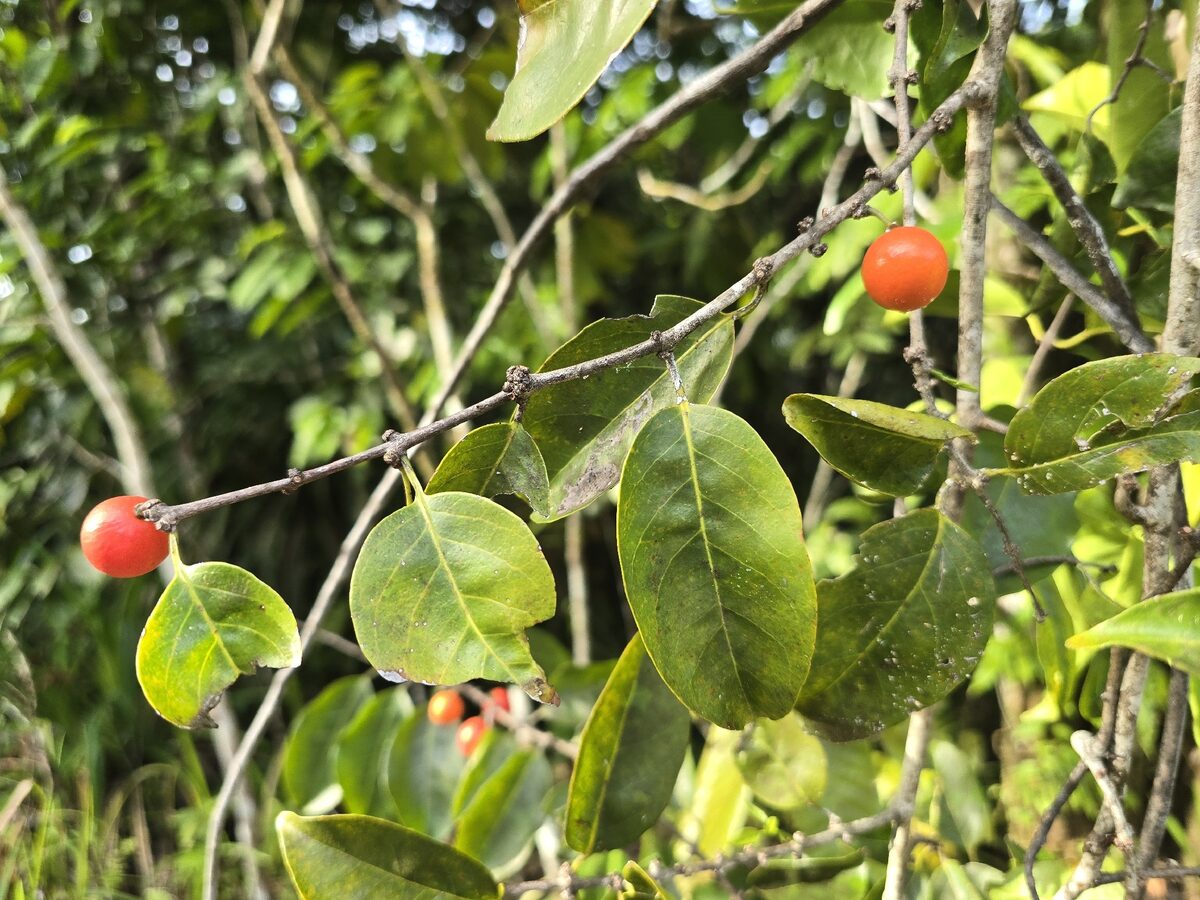
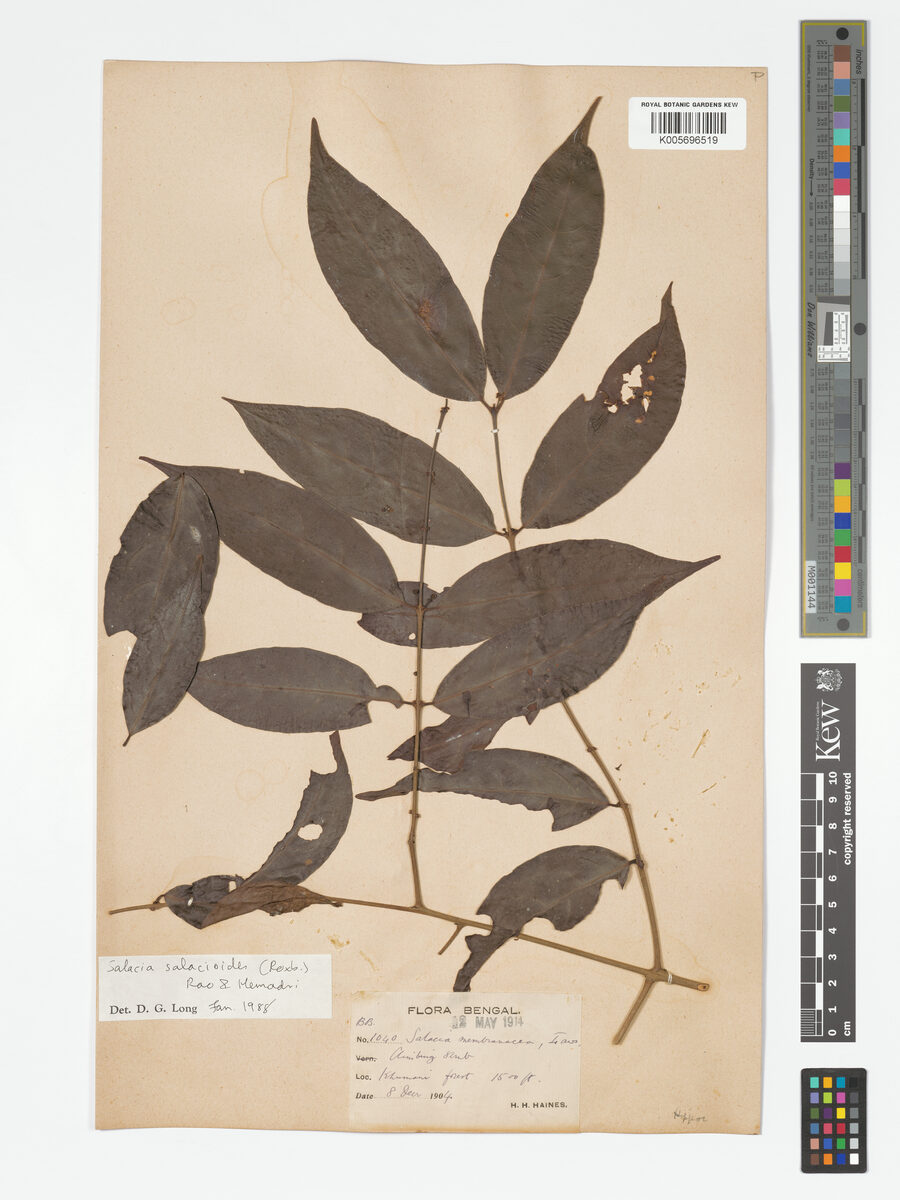
An erect shrub. It has a woody base. It is less than 1.5 m tall. The branches are zigzag shaped. The leaves are simple and 6-8 cm long. The flowers are small and yellow. The fruit are a flattened round shape and yellow when ripe. The pulp is fleshy and sweet.
Edible Uses
The fruit can be eaten raw, though they are less popular because seeds are difficult to remove.
Traditional Uses
The fruit can be eaten raw.
This uses section is brief — help expand it
Distribution
It is a tropical plant. It occurs throughout the scrubland and savannas in Brazil.
Where It Grows
Argentina, Brazil*, Paraguay, South America,
Cultivation
Plants are grown from seed.
Other Information
Fruit are less popular because it is difficult to remove the seeds.
Synonyms
Also Known As
Capicuru, Tapicuru
References (7)
- Bortolotto, I. M., et al, 2018, Lista preliminar das plantas alimenticias nativas de Mato Grosso do Sul, Brasil. Iheringia, Serie Botanica, Porto Alegre, 73 (supl.):101-116
- Brittonia 3:514. 1940
- Ferns, Useful Tropical Plants
- Kermath, B. M., et al, 2014, Food Plants in the Americas: A survey of the domesticated, cultivated and wild plants used for Human food in North, Central and South America and the Caribbean. On line draft. p 775 (As Salacia campestris)
- Lorenzi, H., Bacher, L., Lacerda, M. & Sartori, S., 2006, Brazilian Fruits & Cultivated Exotics. Sao Paulo, Instituto Plantarum de Estuados da Flora Ltda. p 114
Show all 7 references Hide references
- Martin, F. W., et al, 1987, Perennial Edible Fruits of the Tropics. USDA Handbook 642 p 96 (As Salacia campestris)
- www.colecionandofrutas.org