Bactris setosa
Mart.
Jucum palm, Tucum
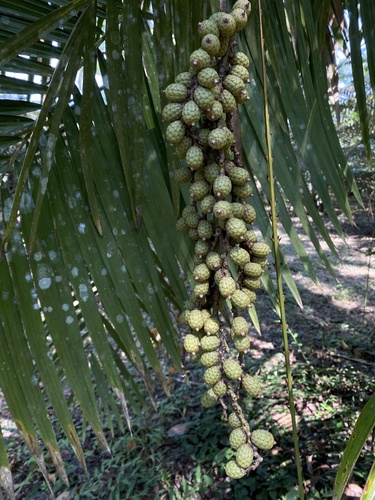
iNaturalist· cc-by-nc
(c) João Gava Just, some rights reserved (CC BY-NC), uploaded by João Gava Just
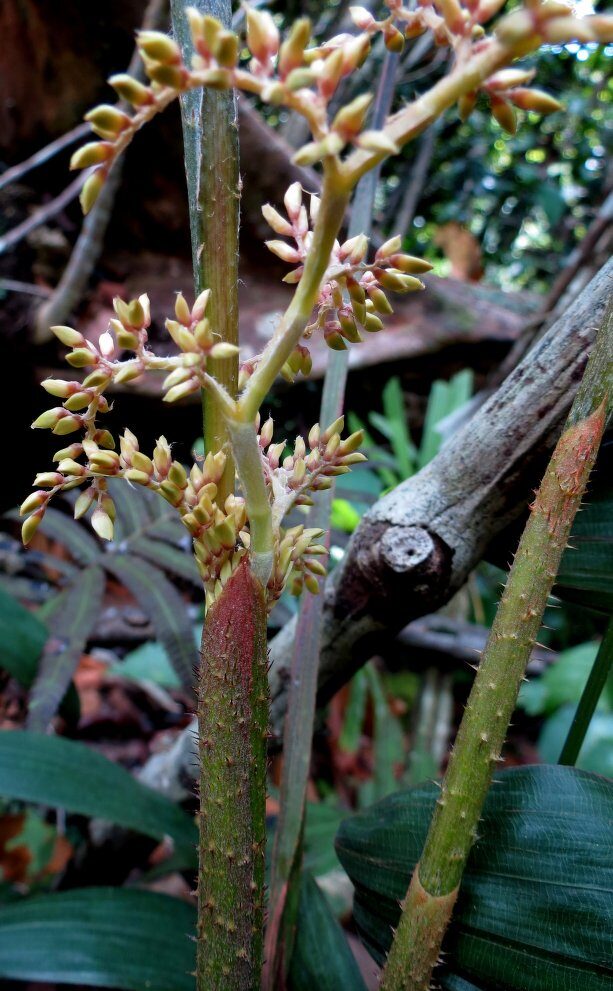
iNaturalist· cc-by-nc
(c) Liu Idárraga Orozco, some rights reserved (CC BY-NC), uploaded by Liu Idárraga Orozco
iNaturalist· cc-by-nc
(c) Flávio Mendes, some rights reserved (CC BY-NC), uploaded by Flávio Mendes
Description
A clumpy palm. It forms clumps up to 6 m tall. The stems have rings and have spines along them. There are 2-5 leaves per stem. There are 30-57 leaflets on each side. They are in groups of 4-7 and arranged in various planes. The flowering stalk comes from between the leaves. The fruit have a thin, succulent pulp and are sweet.
Edible Uses
The fruit are eaten fresh. The seeds, oil, and palm heart are also edible, and drinks can be made from them.
Traditional Uses
The fruit are eaten fresh.
This uses section is brief — help expand it
Distribution
It is a tropical plant. It grows in the understorey in damp or swampy soils in the Atlantic forest in Brazil.
Where It Grows
Brazil*, Ecuador, South America,
Cultivation
Plants are grown by seed.
Other Uses
A fibre in the leaves, known as Tecum, is very strong. It is used for fishing nets, lines, hats, ropes and hammocks.
Other Information
The fruit are popular.
Synonyms
Also Known As
Chonta, Jacum, Jucum, Tucun, Tuncum, Mucuri, Pi-cani-chi, Ticum, Tucum-do-brejo, Tucum-piranga, Tucunzeiro
References (9)
- Barfod, A. S. & Kvist, L. P., 1996, Comparative Ethnobotanical Studies of the Amerindian Groups in Coastal Ecuador. The Danish Academy of Sciences and Letters. p 77, 80
- Brack, P., et al, 2020, Frutas nativas do Rio Grande do Sul, Brasil: riqueza e potencial alimentício. Native fruits of Rio Grande do Sul, Brazil: richness and potential as food. Rodriguésia 71: e03102018.
- Grandtner, M. M. & Chevrette, J., 2013, Dictionary of Trees, Volume 2: South America: Nomenclature, Taxonomy and Ecology. Academic Press p 57
- Hist. nat. palm. 2:94. 1826
- Janick, J. & Paul, R. E. (Eds.), 2008, The Encyclopedia of Fruit & Nuts. CABI p 103
Show all 9 references Hide references
- Kermath, B. M., et al, 2014, Food Plants in the Americas: A survey of the domesticated, cultivated and wild plants used for Human food in North, Central and South America and the Caribbean. On line draft. p 118
- Kinupp, V. F., 2007, Plantas alimenticias nao-convencionais da regiao metropolitana de Porto Alegre, RS, Brazil p 63
- Leal, M. L. et al, 2018, Knowledge, use, and disuse of unconventional food plants. Journal of Ethnobiology and Ethnomedicine (2018) 14:6
- Lorenzi, H., Bacher, L., Lacerda, M. & Sartori, S., 2006, Brazilian Fruits & Cultivated Exotics. Sao Paulo, Instituto Plantarum de Estuados da Flora Ltda. p 71