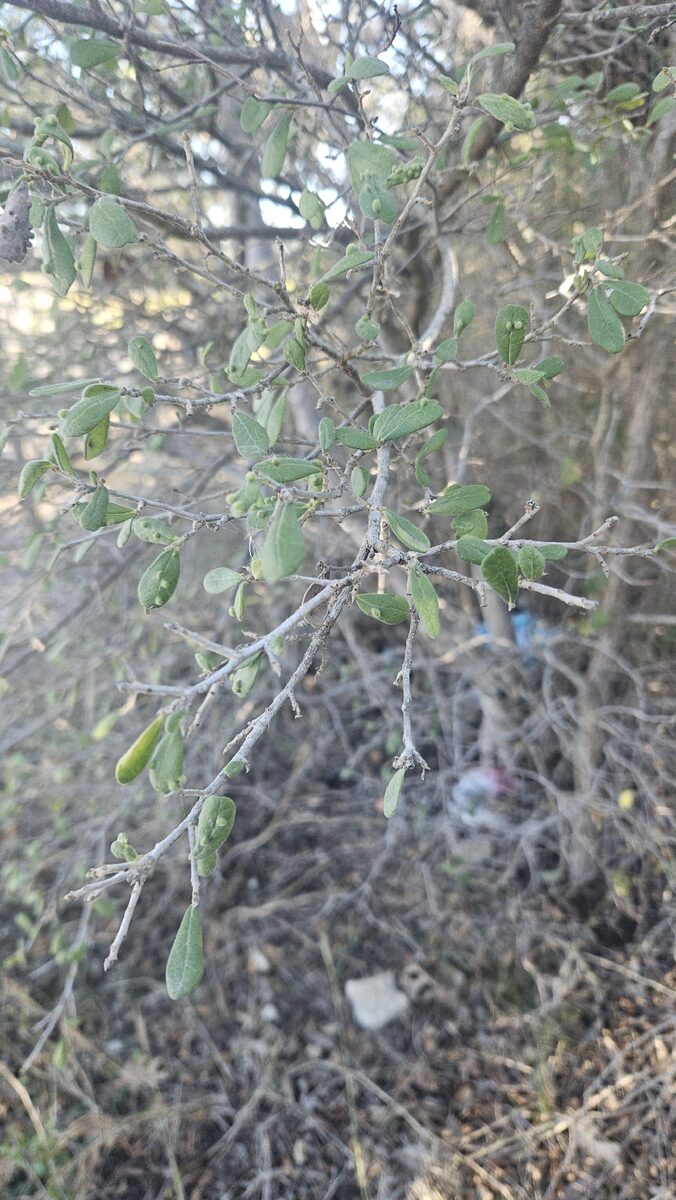
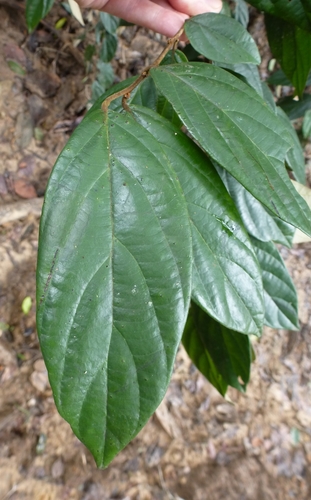
Diospyros hispida
DC.
Caqui-do-cerrado
iNaturalist· cc-by-nc
(c) xandaoesteves, some rights reserved (CC BY-NC)
iNaturalist· cc-by-nc
(c) xandaoesteves, some rights reserved (CC BY-NC)
iNaturalist· cc-by-nc
(c) xandaoesteves, some rights reserved (CC BY-NC)
Description
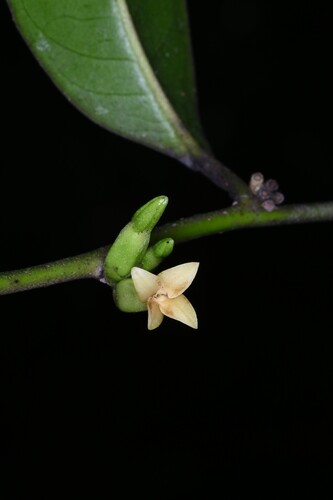
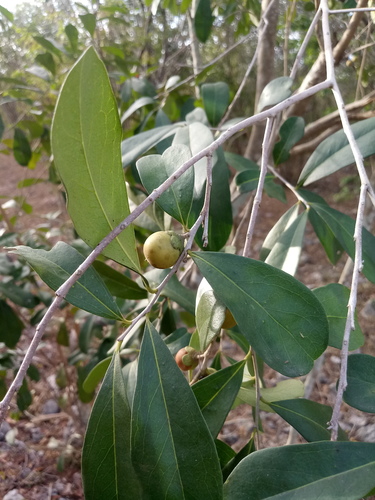
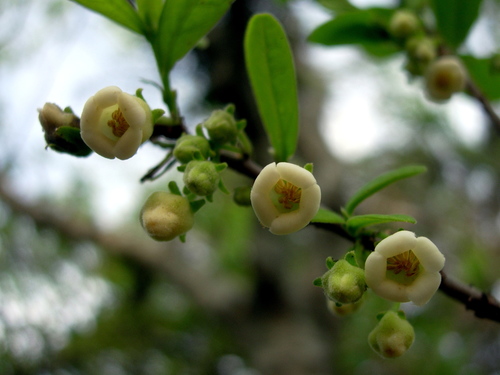
A tree. It grows 4-7 cm high. It has a dense crown. The trunk is bent. It is 15-25 cm across. The bark is cracked. The leaves are simple and alternate. They are shiny above and hairy underneath. The veins are clearly visible. The leaves are 12-18 cm long by 7-12 cm wide. The leaf stalks are 1.5-2.5 cm long. The flowers occur singly in the axils of leaves. They do not have stalks. They are green. The fruit are a round berry 6 cm across. . They have rusty hairs when young. They become sweet and edible when ripe. They have 6-8 seeds.
Edible Uses
Fruit - raw. A thin, mucilaginous pulp with a sweet, pleasant flavour. The fruits contain only a small amount of edible pulp, surrounding 6 - 8 seeds. The yellowish-green, globose fruits can be around 6cm in diameter.
Traditional Uses
The pulp of the ripe fruit are eaten fresh.
This uses section is brief — help expand it
Known Hazards
Fruit have little edible pulp.
Distribution
A tropical plant. It grows in central Brazil. It grows in scrubland and savanna.
Where It Grows
Bolivia, Brazil, Paraguay, South America,
Cultivation
Plants are grown from seed. The ripe fruited are harvested and allowed to soften in plastic bags so that the seeds can be easily removed. The seeds germinate in 4-6 weeks.
Propagation
Seed - it has a very short viability and so should be sown as soon as possible. The flesh should be removed since this contains germination inhibitors. Sow the seed in a shady position in a nursery seedbed. The sowing media for ebony uses soil and fine sand at the ratio 3:1. The seed is planted horizontally or vertically with the radicle end down, with a sowing depth of 1 - 1½ times the thickness of seed. Distance between the seeds is 3 - 5cm. Seeds are very sensitive to desiccation during germination and early growth, so must be regularly watered at this time. Normally the seed will germinate after one week. In one trial, fresh seed, sown one day after collection, showed 85% germination rate within 17 - 65 days. As a rule fresh seeds have a high percentage of fertility. The seedlings develop long taproots at an early stage, often before any appreciable elongation of the shoot takes place. The growth of the seedling is decidedly slow .
Other Uses
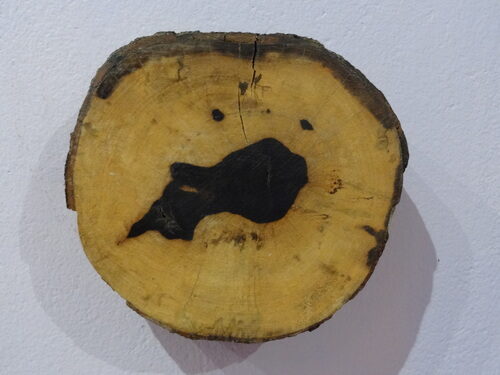
The wood is medium-textured, cross-grained, moderately heavy, soft, not durable. Because of its small dimensions, it is only used locally for things such as rustic constructions, tool handles and oxen yokes. The wood is used for fuel and to make charcoal.
Production
Plants grow slowly.
Other Information
They have little edible pulp.
Synonyms
Also Known As
Bacupari-bravo, Fruta-de-boi, Fruta-de-jacu-femea, Olho-de-boi
References (7)
- Bortolotto, I. M., et al, 2015, Knowledge and use of wild edible plants in rural communities along Paraguay River, Pantanal, Brazil. Journal or Ethnobiology and Ethnomedicine. 11:46
- Bortolotto, I. M., et al, 2018, Lista preliminar das plantas alimenticias nativas de Mato Grosso do Sul, Brasil. Iheringia, Serie Botanica, Porto Alegre, 73 (supl.):101-116
- Grandtner, M. M. & Chevrette, J., 2013, Dictionary of Trees, Volume 2: South America: Nomenclature, Taxonomy and Ecology. Academic Press p 203
- Lorenzi, H., 2002, Brazilian Trees. A Guide to the Identification and Cultivation of Brazilian Native Trees. Vol. 02 Nova Odessa, SP, Instituto Plantarum p 104
- Lorenzi, H., Bacher, L., Lacerda, M. & Sartori, S., 2006, Brazilian Fruits & Cultivated Exotics. Sao Paulo, Instituto Plantarum de Estuados da Flora Ltda. p 134
Show all 7 references Hide references
- Peres, M. K., 2011, Diasporos do Cerrado Atrativos para Fauna: Chave Interativa Caracterizacao Visual e Relacoes Ecologicas. Masters thesis. Universidade de Brasilia.
- www.colecionandofrutas.org