Buchenavia tomentosa
Eichler
iNaturalist· cc-by-nc
(c) Laurent Quéno, some rights reserved (CC BY-NC)
iNaturalist· cc-by-nc
(c) Laurent Quéno, some rights reserved (CC BY-NC)
iNaturalist· cc-by-nc
(c) Laurent Quéno, some rights reserved (CC BY-NC)
Description
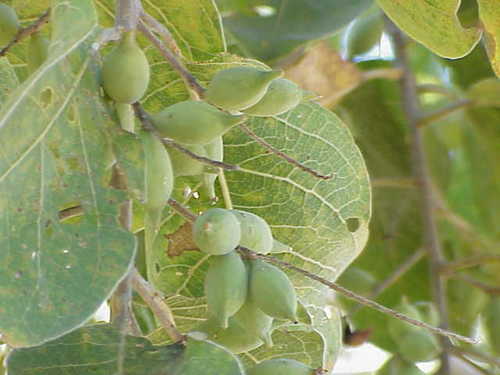
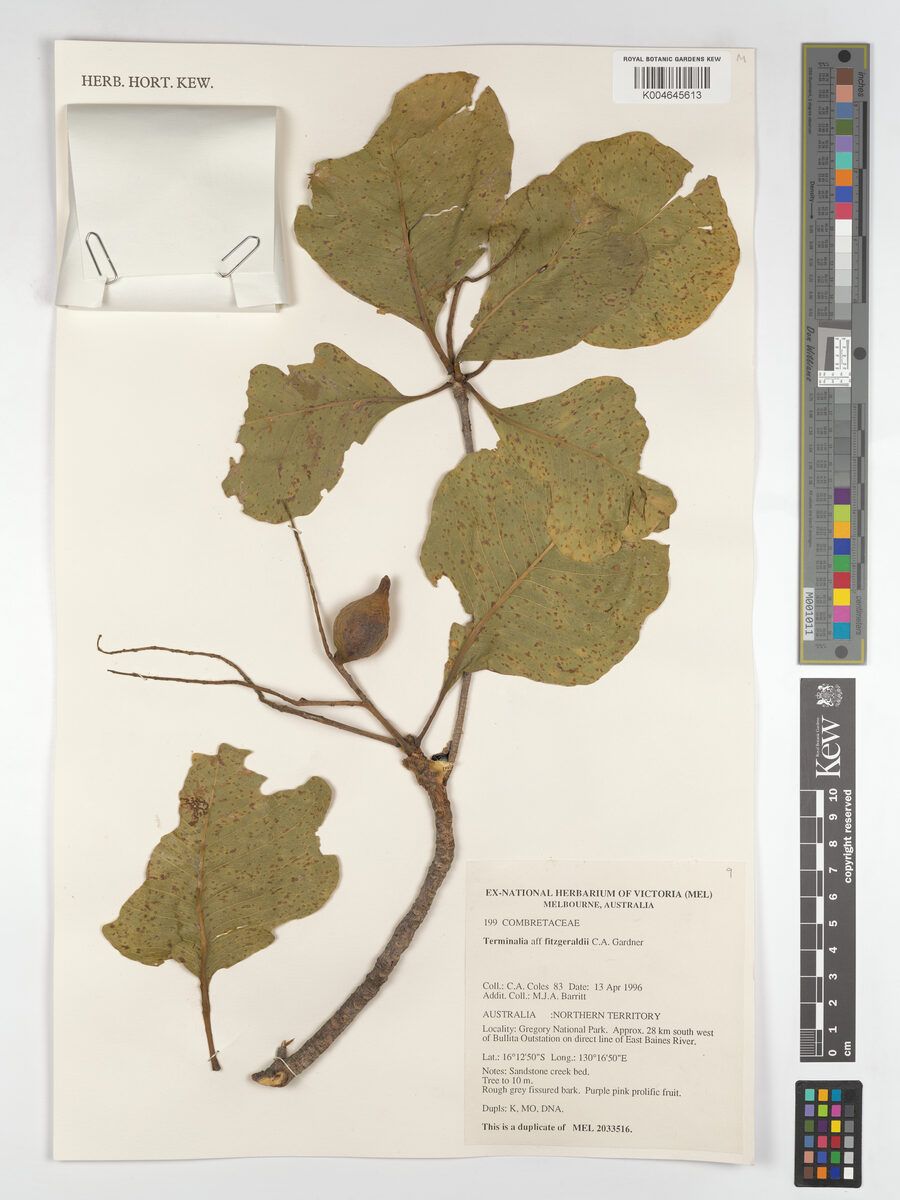
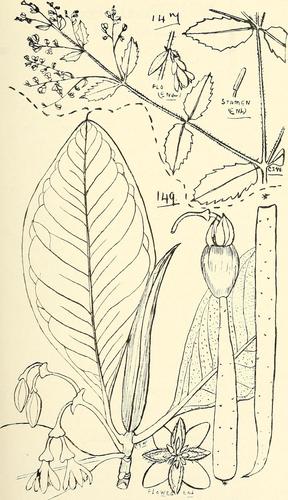
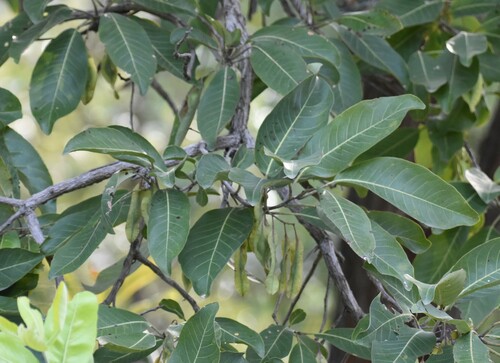
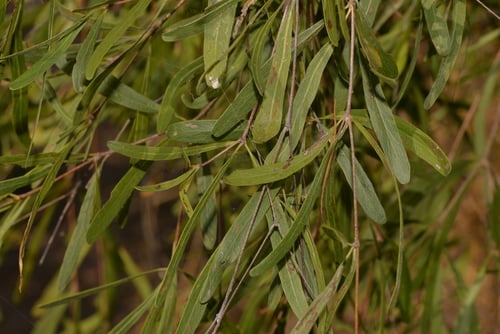
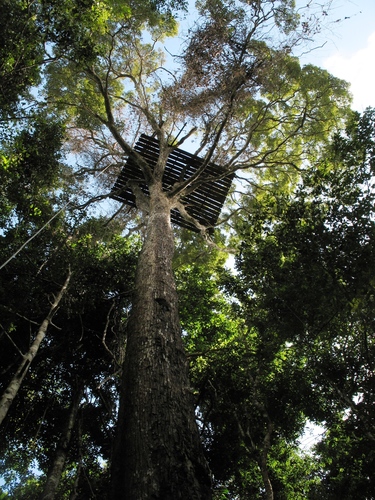
A tree. It grows 5-12 m tall. The trunk is short and 30-50 cm across. The leaves are simple and rough. They are 12-22 cm across and 5-9 cm wide. They can be rusty coloured underneath. The flowers are in clustered spikes at the ends of the stems. The fruit are oval and fleshy with a hard stone inside. They have fleshy sweet pulp when ripe. There is only one seed.
Edible Uses
Fruit - raw. A sweetish tasting, fleshy pulp. The greenish-yellow, globose drupe is around 3cm in diameter, containing a single seed.
Traditional Uses
The pulp of the ripe fruit is eaten raw.
This uses section is brief — help expand it
Distribution
It is a tropical plant. It grows in semi-deciduous forests in Brazil.
Where It Grows
Amazon, Bolivia, Brazil, Peru, South America,
Cultivation
Plants can be grown from seed. The ripe fruit are harvested and put into a plastic bag until the fruit rot making it easier to remove the seeds. Seeds can only be stored for a short time. Fresh seed should be planted. The seed germinate in 15-20 days. The seedlings can be transplanted into the field when 5-6 months old.
Propagation
Seed - best sown as soon as it is ripe in a partially shaded position in a nursery seedbed. A high germination rate can usually be expected from fresh seed, with the seed sprouting within 15 - 20 days. When the seedlings are 4 - 5cm tall, pot them up into individual containers and they should be ready to plant out 5 - 6 months later. The seed has a short viability in storage.
Other Uses
The wood is medium-textured, cross-grained, heavy, with good mechanical properties and moderately durable even when exposed to the weather. It is used in general construction for purposes such as beams, boards and scantlings; and also for external purposes such as fence posts and stakes. The wood is used for fuel and to make charcoal. Although it grows fairly slowly, the tree grows well in a sunny position and provides food for humans and other creatures. It can be used as a pioneer species when restoring native woodland and could also be suitable for use when establishing a woodland garden.
Production
Plants grow 2 m tall in 2 years.
Notes
There are about 8 Buchenavia species.
Synonyms
Also Known As
Cuirana, Fruta-de-veado, Pebanheira, Tarumarana, Yacushapana
References (4)
- Bortolotto, I. M., et al, 2015, Knowledge and use of wild edible plants in rural communities along Paraguay River, Pantanal, Brazil. Journal or Ethnobiology and Ethnomedicine. 11:46
- Bortolotto, I. M., et al, 2018, Lista preliminar das plantas alimenticias nativas de Mato Grosso do Sul, Brasil. Iheringia, Serie Botanica, Porto Alegre, 73 (supl.):101-116
- Grandtner, M. M. & Chevrette, J., 2013, Dictionary of Trees, Volume 2: South America: Nomenclature, Taxonomy and Ecology. Academic Press p 79
- Lorenzi, H., 2002, Brazilian Trees. A Guide to the Identification and Cultivation of Brazilian Native Trees. Vol. 02 Nova Odessa, SP, Instituto Plantarum p 95