Pourouma guianensis
Aubl.
Guiana pourouma
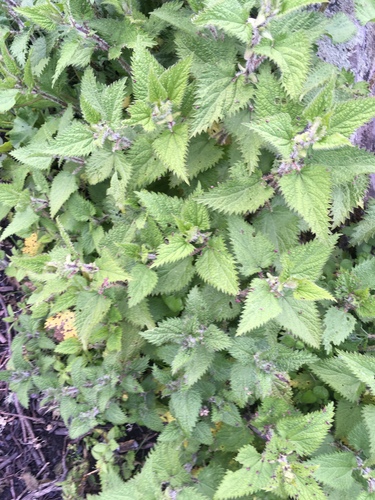
iNaturalist· cc-by-nc
(c) Tarciso Leão, some rights reserved (CC BY-NC), uploaded by Tarciso Leão
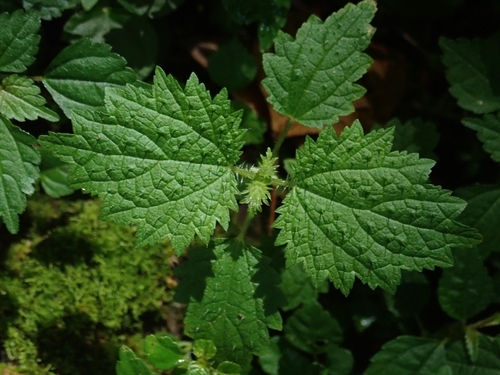
iNaturalist· cc-by-nc
(c) Liu Idárraga Orozco, some rights reserved (CC BY-NC)
Description
A tree. It grows 10-15 m high. The trunk is upright. It is 15-30 cm across. The bark is fairly smooth. The leaves vary in shape. They can be 3-5 lobes or parted. The leaves are 12-25 cm across. The flowers are male and female. They are 15-20 cm long.
Edible Uses
The ripe fruit are eaten; they are harvested and crushed to extract the seeds.
Distribution
It is a tropical plant. It grows in the dryland forest of Amazon.
Where It Grows
Amazon, Bolivia, Brazil, Central America, Colombia, Costa Rica, Ecuador, Guiana, Guianas, Guyana, Panama, Peru, South America*, Suriname, Venezuela,
Cultivation
Plants can be grown from seed. The ripe fruit are harvested and crushed to remove the seeds. The seeds are washed under running water. Fresh seed are planted. They germinate in 3-6 weeks.
Propagation
Seed - best sown as soon as it is ripe in a partially shaded position in a nursery seedbed. A germination rate of less than 40% can be expected, with the seed sprouting within 21 - 42 days.
Other Uses
The wood is medium-textured, straight-grained, light in weight, soft, with poor mechanical properties and not durable. It is only used for low value items such as boxes, toys, toothpicks and as a source of cellulose. A fast-growing tree succeeding in open sunny areas, it provides food for humans and other creatures and is tolerant of a wide range of soils. It can be used as a pioneer species when restoring native woodland and also for establishing woodland gardens.
Production
Plants grow quickly in the field.
Notes
Also put in the family Cecropiaceae and Moraceae.
Synonyms
Also Known As
Amapati, Airo u uche, Buruma, Chaparrillo guaraunero, Digiyowe, Diyobe, Embauba-da-mata, Embaubarana, Granboesi-papaja, Guarumo macho, Imbaubatorem, Imbaubarana, Itararanga, Killu uvilla, Lati, Mangabe, Mapati, Pau-de-jacu, Piraquina, Poushuina, Puruma, Shinia, Shuina, Shuinia, Suir shuinia, Taranga-branca, Uva de monte, Washi shuinia, Xaquini, Yarayara, Yawetanamowe
References (15)
- Barfod, A. S. & Kvist, L. P., 1996, Comparative Ethnobotanical Studies of the Amerindian Groups in Coastal Ecuador. The Danish Academy of Sciences and Letters. p 80
- Bennett, B. C., 1990, Useful Plants of Amazonian Ecuador. US Agency for International Development. Fifth Progress Report. New York Botanical Gardens. p 40
- Duchelle, A. E., 2007, Observations on Natural Resource use and Conservation by the Shuar In Ecuador's Cordillera del Condor. Ethnobotany Research & Applications 5:005-023
- Grandtner, M. M., 2008, World Dictionary of Trees. Wood and Forest Science Department. Laval University, Quebec, Qc Canada. (Internet database http://www.wdt.qc.ca)
- Grandtner, M. M. & Chevrette, J., 2013, Dictionary of Trees, Volume 2: South America: Nomenclature, Taxonomy and Ecology. Academic Press p 521
Show all 15 references Hide references
- Kermath, B. M., et al, 2014, Food Plants in the Americas: A survey of the domesticated, cultivated and wild plants used for Human food in North, Central and South America and the Caribbean. On line draft. p 683
- Lopez-Diago, D. & Garcia, N., 2021, Wild edible fruits of Colombia. Biota ColomBiana 22 (2) p 53
- Lorenzi, H., 2002, Brazilian Trees. A Guide to the Identification and Cultivation of Brazilian Native Trees. Vol. 02 Nova Odessa, SP, Instituto Plantarum p 84
- Macbride, J. F., 1937, Flora of Peru, Part 2, No. 2. Field Museum of Natural History. Vol. 13, p 293 (As Pourouma substrigosa and Pourouma palmata)
- Reis, S. V. and Lipp, F. L., 1982, New Plant Sources for Drugs and Foods from the New York Botanical Garden herbarium. Harvard. p 45 (As Pourouma subtriloba)
- Roa, J. A. G. & Boada, D. S. G., 2018, Fundación para el Fortalecimiento de la Fruticultura y Plantas Alimenticias no Convencionales en Colombia.
- Torre, de la, L., et al, 2008, Enciclopedia de las Plantas Útiles del Ecuador. Herbario QCA. Pontificia Universidad Católica del Ecuador. p 609
- Van den Eynden, V., et al, 2003, Wild Foods from South Ecuador. Economic Botany 57(4): 576-603
- van Roosmalen, M.G.M., 1985, Fruits of the Guianan Flora. Utrecht Univ. & Wageningen Univ. p 310
- Zambrana, P, et al, 2017, Traditional knowledge hiding in plain sight – twenty-first century ethnobotany of the Chácobo in Beni, Bolivia. Journal of Ethnobiology and Ethnomedicine (2017) 13:57