Annona leptopetala
(R. E. Fr.) H. Rainer
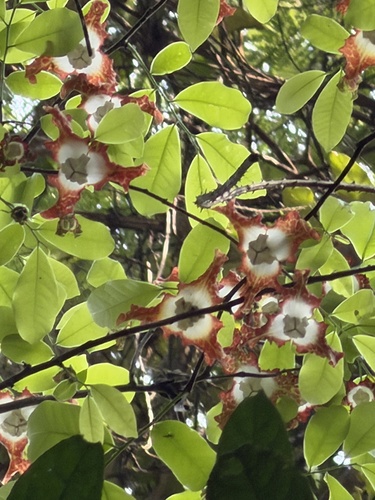
iNaturalist· cc-by-nc
(c) Frederico Acaz Sonntag, some rights reserved (CC BY-NC), uploaded by Frederico Acaz Sonntag
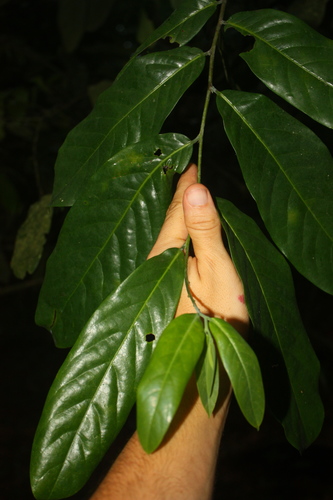
iNaturalist· cc-by-nc
(c) Frederico Acaz Sonntag, some rights reserved (CC BY-NC), uploaded by Frederico Acaz Sonntag
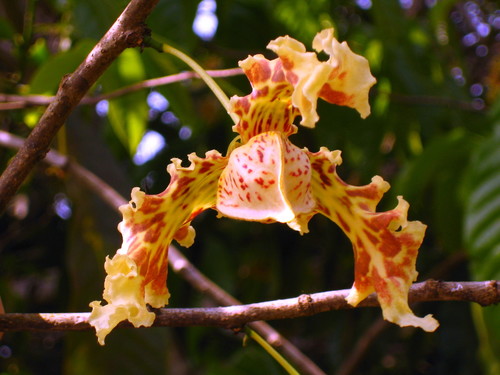
iNaturalist· cc-by-nc
(c) Frederico Acaz Sonntag, some rights reserved (CC BY-NC), uploaded by Frederico Acaz Sonntag
Description
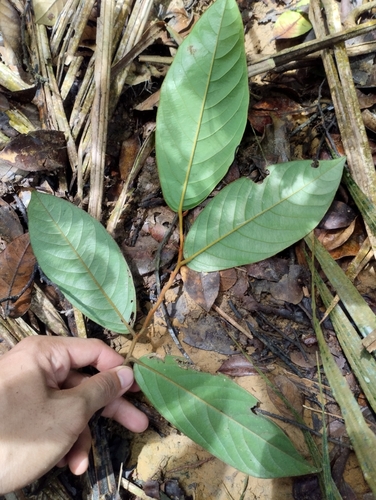
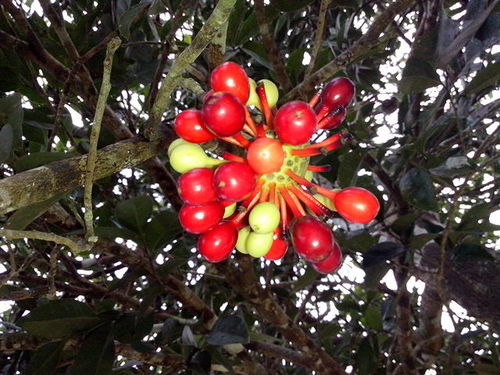
A shrub or small tree. It keeps its leaves throughout the year. It grows 3-8 m tall. The trunk is short and crooked and 15-25 cm across. The leaves are 4-7 cm long by 2-3 cm wide. The fruit are small and yellow. They are 2-4 cm across. There is one seed.
Edible Uses
Fruit - raw. Aromatic. The fruit is composed of a cluster of 15 - 20 individual, yellow to orange or red carpels; each carpel is around 8 - 13mm long, with a thin, sweetish pulp surrounding a single seed.
Traditional Uses
The fruit are eaten raw.
This uses section is brief — help expand it
Distribution
It is a tropical plant. It grows in open dry forest and savannah. It is best in a sunny position and in well-drained soil. It can tolerate drought once established.
Where It Grows
Brazil, Guiana, South America,
Cultivation
Plants can be grown from seed. Seeds germinate in 70-90 days. To break the hard seed coat they can be put in hot water and then soaked for a day.
Propagation
Seed - best sown as soon as it is ripe in a partially shaded position in a nursery seedbed. Germination rates are usually low, with the seeds sprouting within 70 - 90 days. Many species in this genus have a hard seedcoat and may benefit from scarification before sowing to speed up germination. This can usually be done by pouring a small amount of nearly boiling water on the seeds (being careful not to cook them!) and then soaking them for 12 - 24 hours in warm water. By this time they should have imbibed moisture and swollen - if they have not, then carefully make a nick in the seedcoat (being careful not to damage the embryo) and soak for a further 12 hours before sowing.
Other Uses
The wood is coarse-textured, straight-grained, light in weight, very susceptible to wood eating organisms. Easy to cut but, because of its small dimensions, is used only for fuel and to make charcoal.
Production
Young plants grow quickly.
Other Information
It is occasionally cultivated as a fruit tree.
Notes
Rollinia leptopetala in NYBG
Synonyms
Also Known As
Fructa-de-macaco, Fruta de macaco
References (3)
- Fern, K., 2012, Tropical Species Database http://theferns.info/tropical/
- Kermath, B. M., et al, 2014, Food Plants in the Americas: A survey of the domesticated, cultivated and wild plants used for Human food in North, Central and South America and the Caribbean. On line draft. p 751 (As Rollinia discreta)
- Martin, F. W., et al, 1987, Perennial Edible Fruits of the Tropics. USDA Handbook 642 p 81 (As Rollinia discreta and Rolliniopsis discreta))