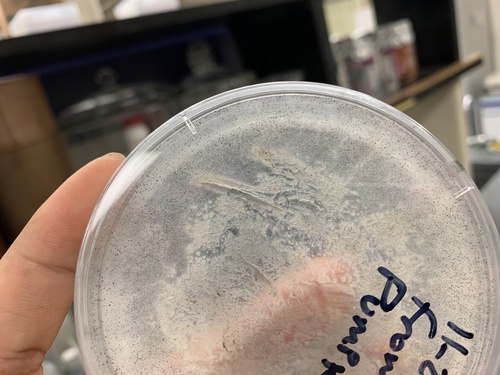
Rhizopus stolonifer
(Ehrenberg ex Fries) Lind
Tempeh mould, Bean curd cheese
iNaturalist· cc-by-nc
(c) Carolyn L Burke, some rights reserved (CC BY-NC), uploaded by Carolyn L Burke
iNaturalist· cc-by
(c) Christine Young, some rights reserved (CC BY), uploaded by Christine Young
iNaturalist· cc-by-nc
(c) william_dembowski, some rights reserved (CC BY-NC), uploaded by william_dembowski
Summary
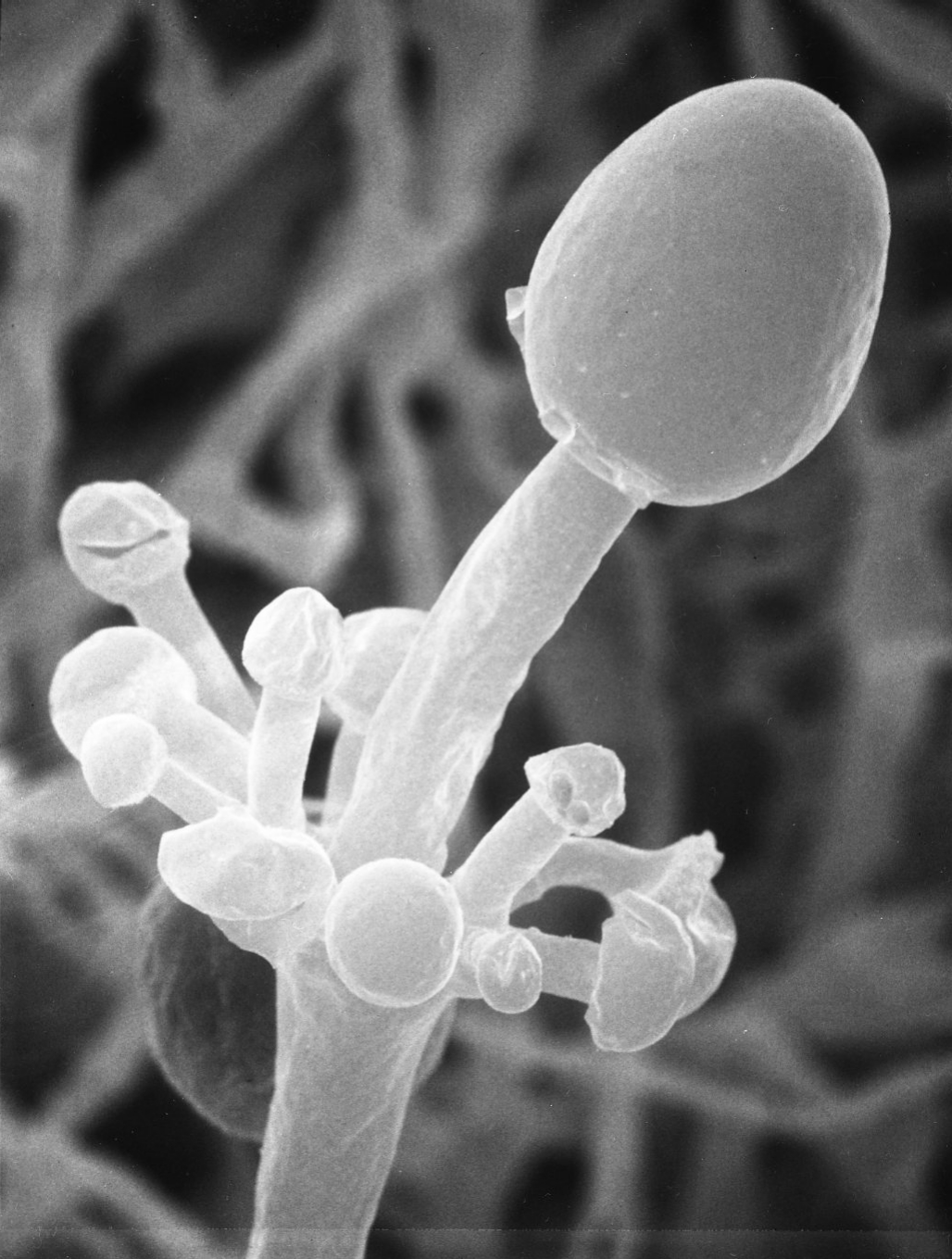
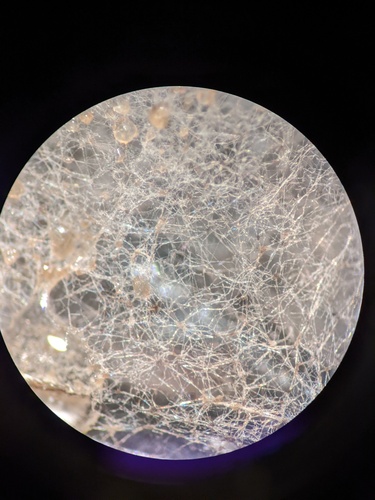
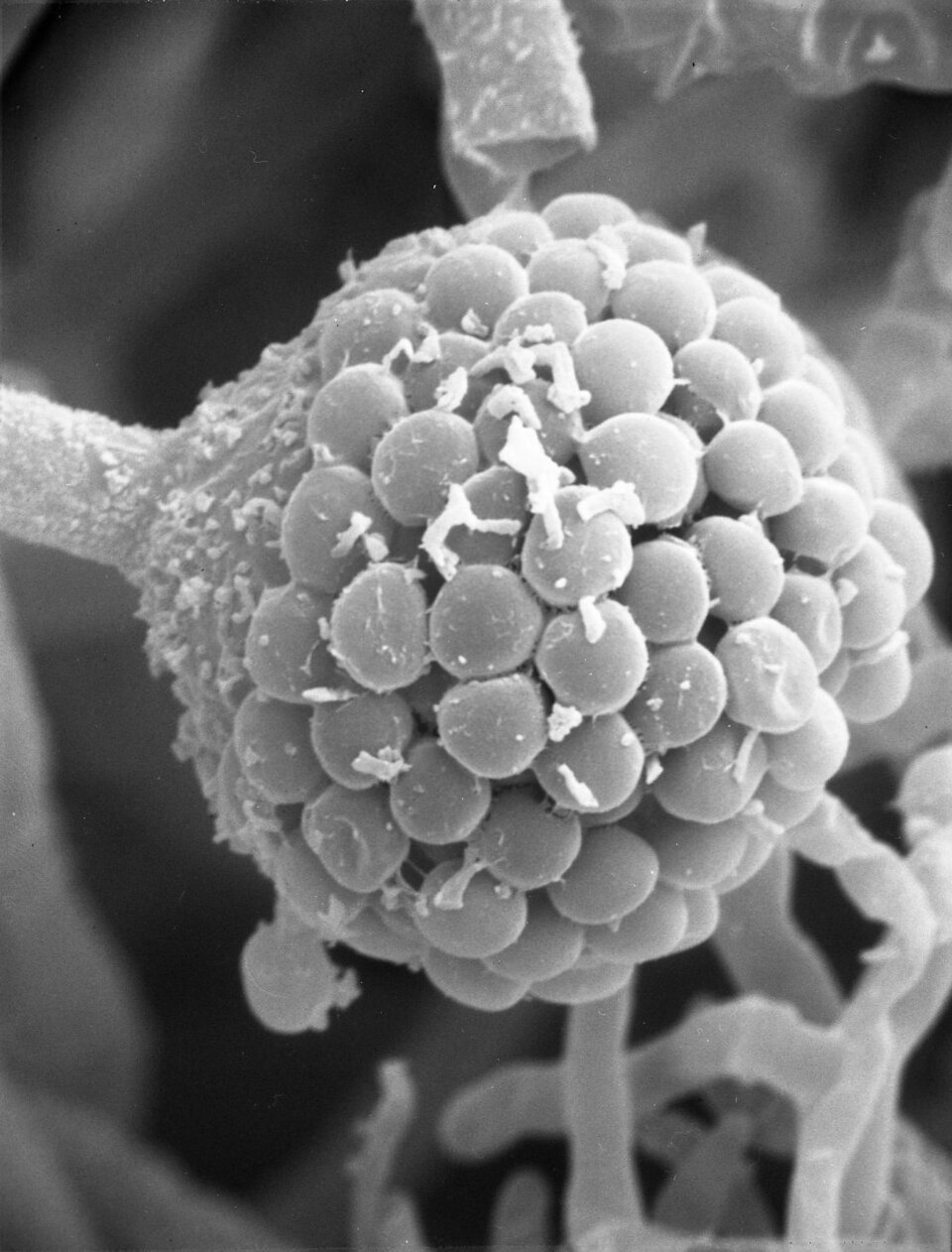
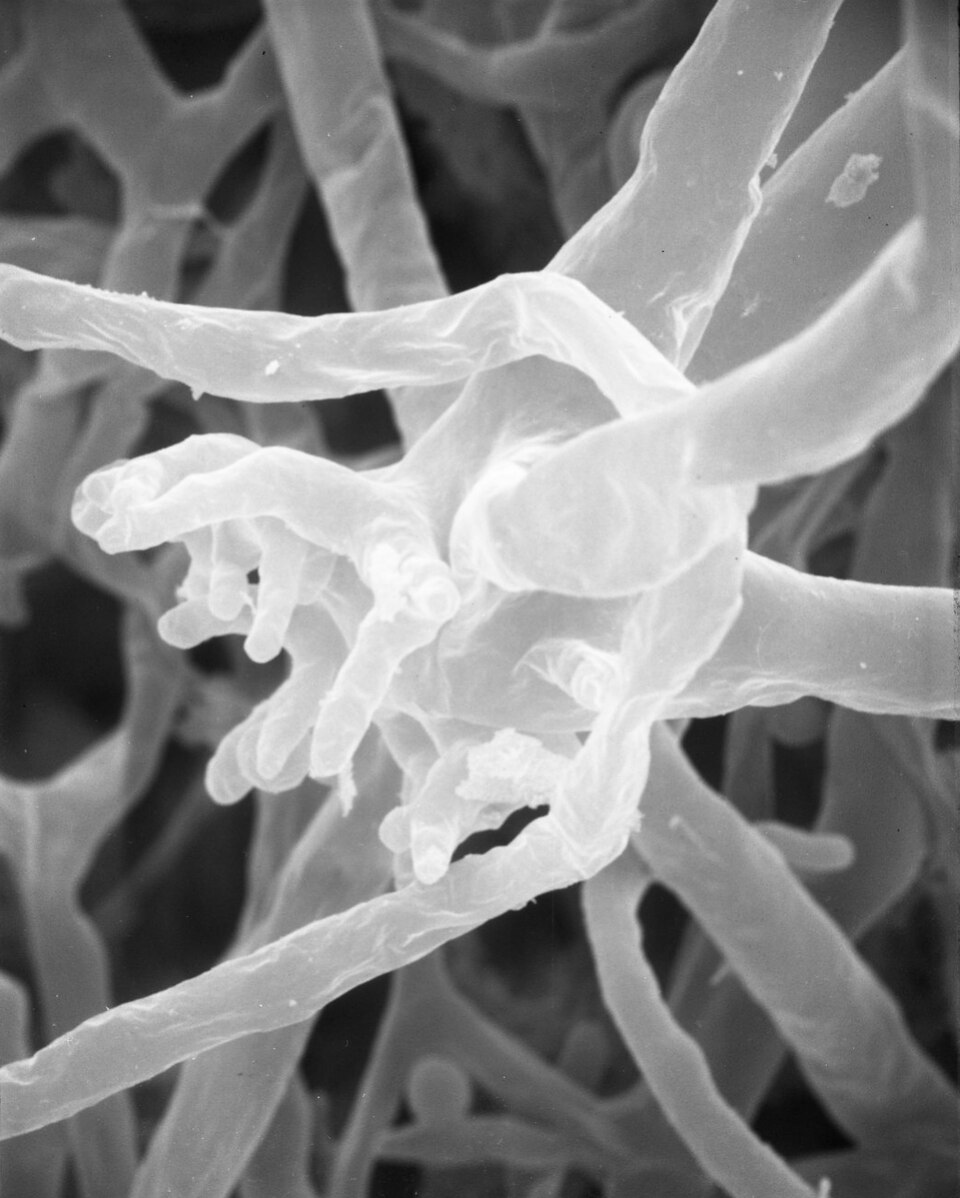
Source: WikipediaRhizopus stolonifer is commonly known as black bread mold. It is a member of Zygomycota and considered the most important species in the genus Rhizopus. It is one of the most common fungi in the world and has a global distribution although it is most commonly found in tropical and subtropical regions. It is a common agent of decomposition of stored foods. Like other members of the genus Rhizopus, R. stolonifer grows rapidly, mostly in indoor environments.
Description
A white mould or fungus in the family Mucoraceae, distributed in tropical regions.
This description is brief — help expand it
Edible Uses
It is used in the production of tempeh and is also involved in making pozol, a fermented corn product of Mexico.
Traditional Uses
It is used for the production of tempeh. It is also involved in the production of pozol a fermented corn product of Mexico.
This uses section is brief — help expand it
Distribution
It is a tropical plant.
Where It Grows
Asia, China, Central America, Mexico, North America,
Synonyms
Also Known As
Pozol mould
References (2)
- Facciola, S., 1998, Cornucopia 2: a Source Book of Edible Plants. Kampong Publications, p 253
- Hu, Shiu-ying, 2005, Food Plants of China. The Chinese University Press. p 262