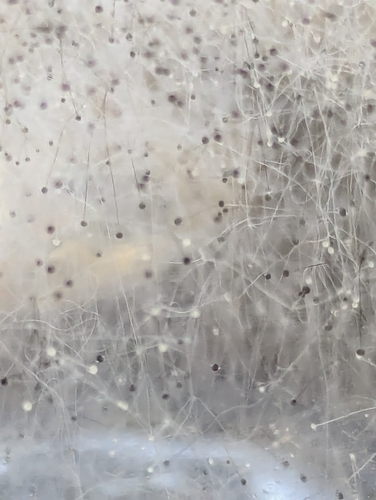
Rhizopus oryzae
Went & Prins. Geerl.
Tempeh mould
iNaturalist· cc-by-nc
(c) Jose Solorzano, some rights reserved (CC BY-NC)
iNaturalist· cc-by-nc
(c) Jose Solorzano, some rights reserved (CC BY-NC)
iNaturalist· cc-by-nc
(c) Jose Solorzano, some rights reserved (CC BY-NC)
Summary
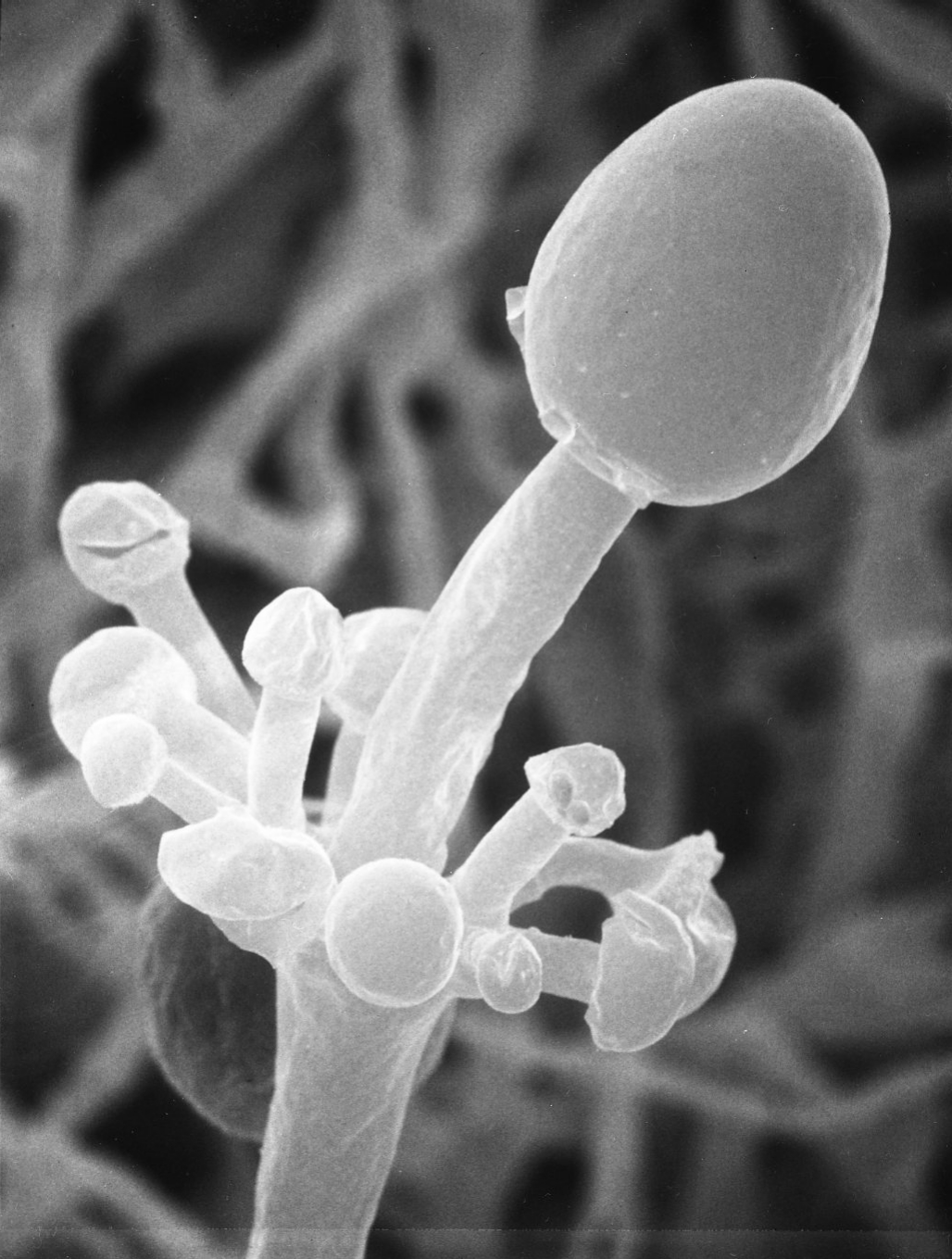
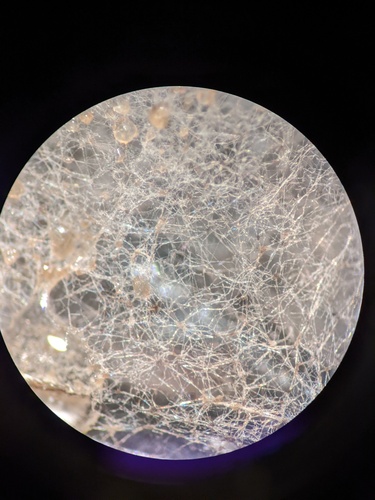
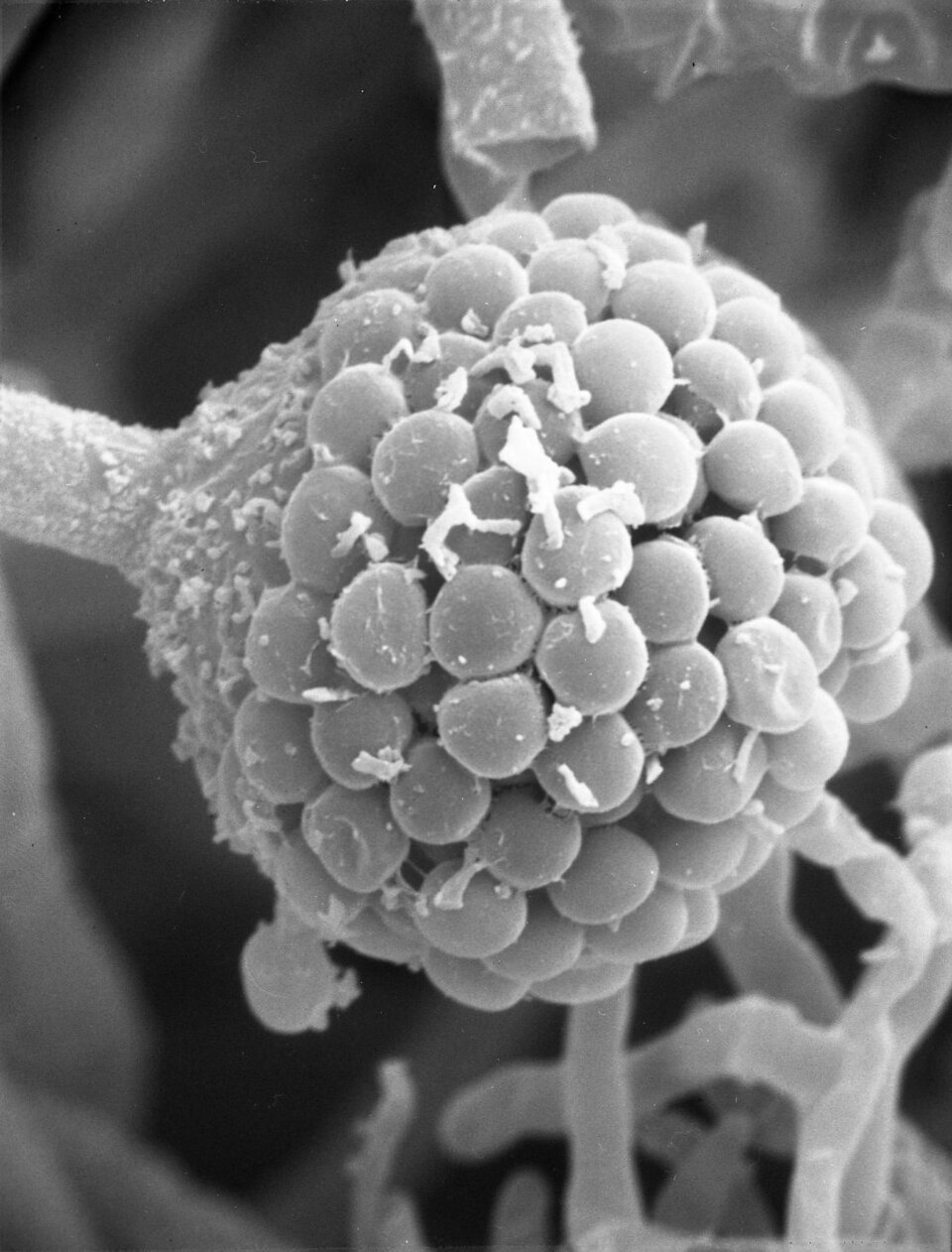
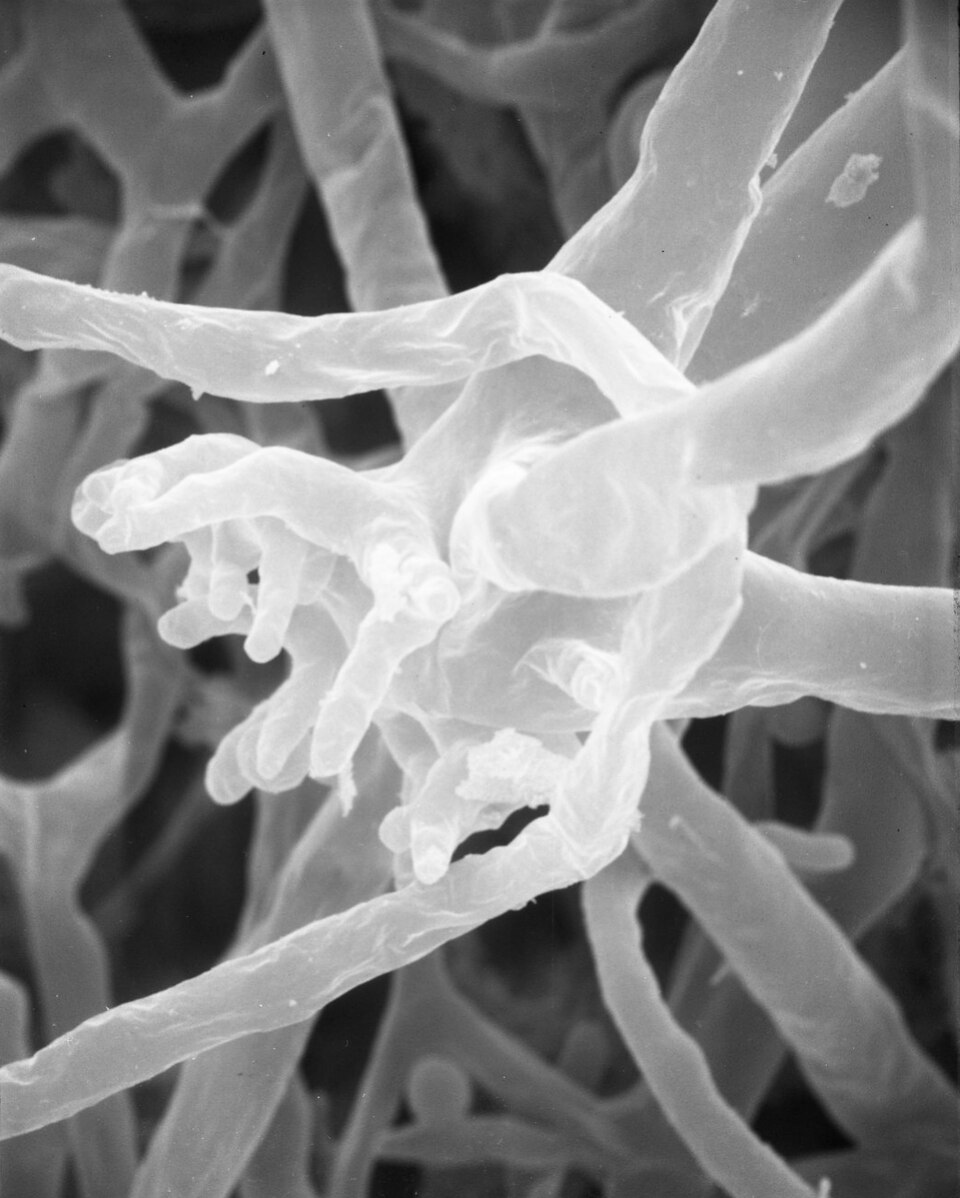
Source: WikipediaRhizopus oryzae is a filamentous heterothallic microfungus that occurs as a saprotroph in soil, dung, and rotting vegetation. This species is very similar to Rhizopus stolonifer, but it can be distinguished by its smaller sporangia and air-dispersed sporangiospores. It differs from R. oligosporus and R. microsporus by its larger columellae and sporangiospores. The many strains of R. oryzae produce a wide range of enzymes such as carbohydrate digesting enzymes and polymers along with a number of organic acids, ethanol and esters giving it useful properties within the food industries, bio-diesel production, and pharmaceutical industries. It is also an opportunistic pathogen of humans causing mucormycosis.
Description
A fungus in the Mucoraceae family used in fermentation processes.
This description is brief — help expand it
Edible Uses
The mould ferments velvet beans into tempeh benguk.
Traditional Uses
The mould is used in the fermentation of tempeh from velvet bean - called tempeh benguk.
This uses section is brief — help expand it
References (1)
- Facciola, S., 1998, Cornucopia 2: a Source Book of Edible Plants. Kampong Publications, p 252