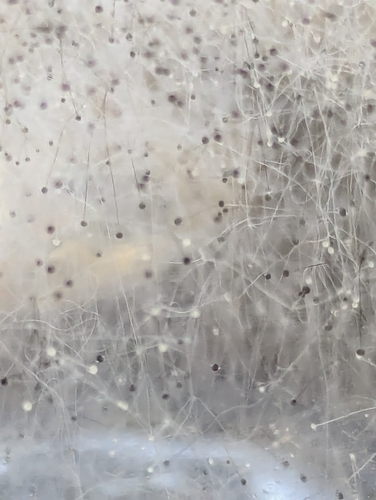
Rhizopus oligosporus
Saito
Tempeh mould
wikimedia· cc-by-sa
Wikimedia Commons - zygolife
wikimedia· cc-by-sa
Wikimedia Commons - zygolife
Summary
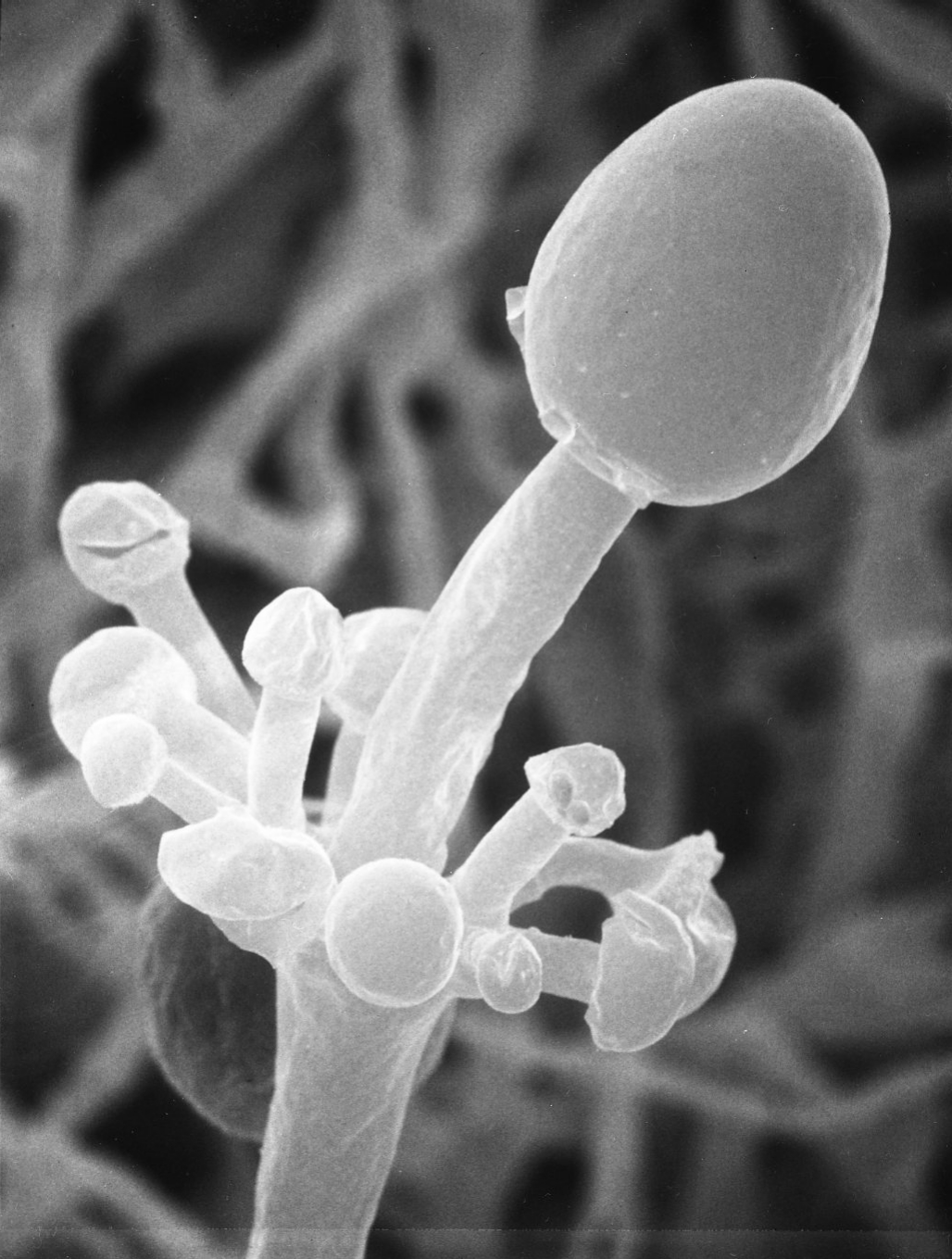
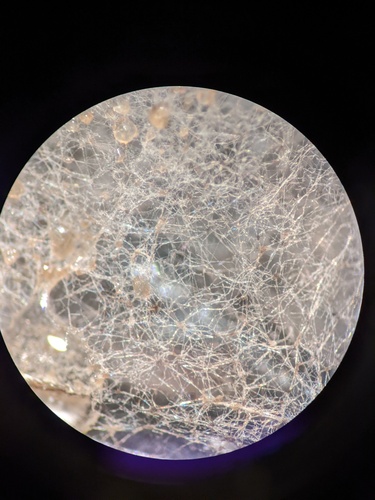
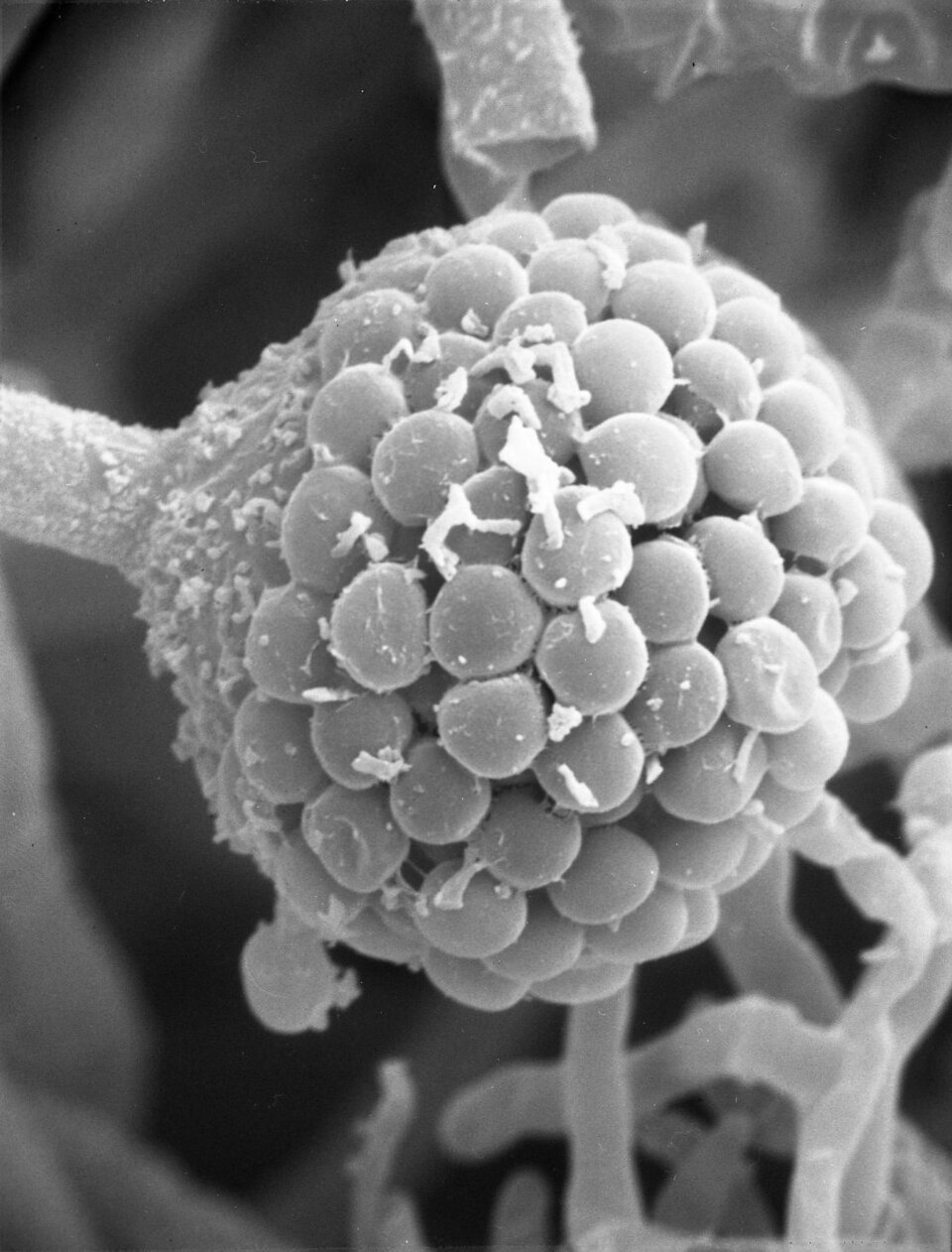
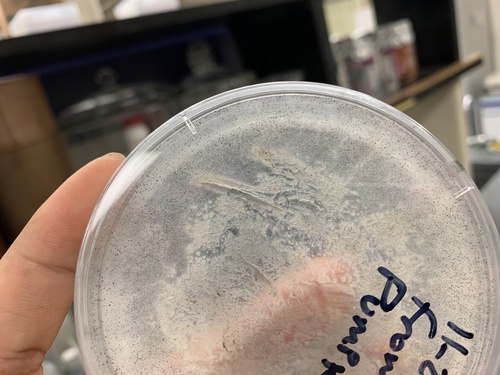
Source: WikipediaRhizopus oligosporus is a fungus of the family Mucoraceae and is a widely used starter culture for the production of tempeh at home and industrially. As the mold grows it produces fluffy, white mycelia, binding the beans together to create an edible "cake" of partly catabolized soybeans. The domestication of the microbe is thought to have occurred in Indonesia several centuries ago. R. oligosporus is the preferred starter culture for tempeh production for several reasons. It grows effectively in the warm temperatures (30–40 °C or 85–105 °F) which are typical of the Indonesian islands; it exhibits strong lipolytic and proteolytic activity, creating desirable properties in tempeh; and it produces metabolites that allow it to inhibit and thus outcompete other molds and gram-positive bacteria, including the potentially harmful Aspergillus flavus and Staphylococcus aureus. R. oligosporus is at present considered to be a domesticated form of Rhizopus microsporus, resulting in a synonym of Rhizopus microsporus var. oligosporus. R. microsporus produces several potentially toxic metabolites, rhizoxin and rhizonins A and B, but it appears the domestication and mutation of the R. oligosporus genome has led to the loss of genetic material responsible for toxin production. The synonym is not currently recognized in fungal taxonomy, so its current taxonomic position is best described as a member of the R. microsporus species group.
Description
A fungus in the Mucoraceae family used in East Asian fermentation.
This description is brief — help expand it
Edible Uses
The mould is used to ferment soybeans into tempeh, and is also involved in fermentation of shiro-koji, ragi tapeh, onchom, kacap, and tauco.
Traditional Uses
The mould is used for the production of tempeh from soybeans. It is also involved in the fermentation of shiro-koji, ragi tapeh, onchom, kacap and tauco.
References (1)
- Facciola, S., 1998, Cornucopia 2: a Source Book of Edible Plants. Kampong Publications, p 252